
Which Exercise Is Best for Abs? Top Moves Ranked
Wondering which exercise is best for abs? Discover the most effective ab exercises, common mistakes, and how to build real core strength at home.
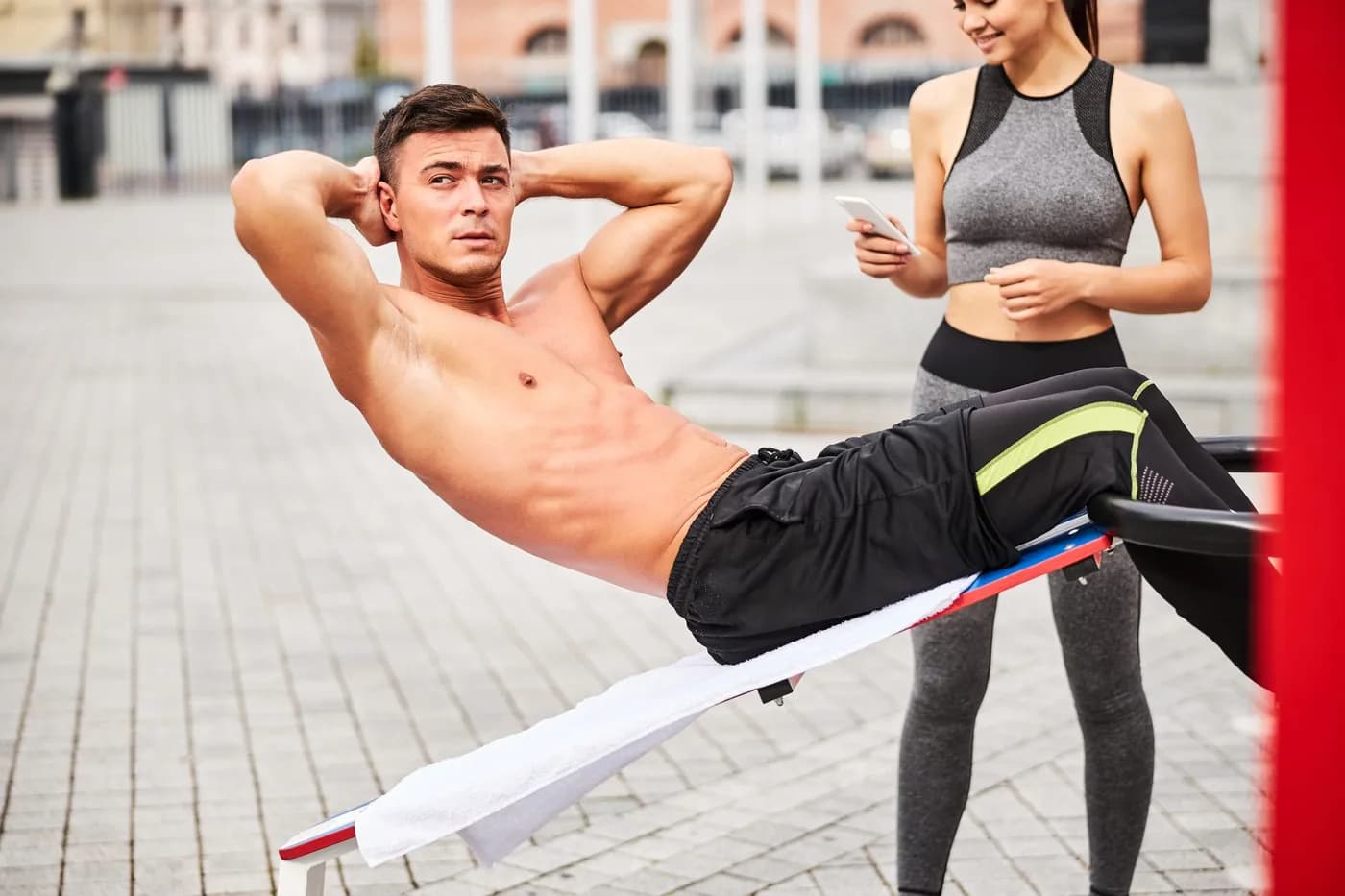
Key Takeaways
- The plank, dead bug, bicycle crunch, leg raise, and mountain climbers rank highest for abs.
- These moves activate the deep transverse abdominis as well as the surface obliques.
- A strong core acts as a natural brace for the lumbar spine, easing lower back tension.
- Spot reduction is a myth, but building core muscle raises resting metabolic rate overall.
- Visible abs depend largely on overall body fat percentage, not the number of crunches done.
- Just 10 to 15 minutes of daily practice compounds into real, lasting core strength.
The most effective exercises for abs include the plank, dead bug, bicycle crunch, leg raise, and mountain climbers. These moves activate multiple layers of core muscle — from the deep transverse abdominis to the obliques — making them consistently ranked highest by exercise science and practical training experience.
If you’ve been wondering which exercise is best for abs, you’re not alone. Most people cycle through random crunches without a clear plan and then wonder why their core never feels stronger. The truth is, not all ab exercises are equal. Some target surface muscles while others engage the deep core that supports posture, spinal stability, and functional movement. This guide breaks down the most effective moves, how to do them right, and what to avoid.
6 Benefits of Training Your Abs Consistently
- Builds a Stronger Core Foundation Your core is the center of every movement your body makes. Consistent ab training strengthens the muscles that stabilize your spine, reducing strain during everyday activities like lifting, bending, and long hours at a desk.
- Improves Posture Over Time Weak abdominal muscles contribute to a rounded lower back and poor posture. Strengthening the core helps you sit and stand taller — a benefit that working professionals notice quickly. Pairing ab work with exercises for mobility makes this improvement even more noticeable.
- Supports Fat Loss Around the Midsection Spot reduction is a myth, but building core muscle raises your resting metabolic rate. Over time, this supports gradual fat loss across the body, including the belly area, especially when combined with full-body training.
- Reduces Lower Back Discomfort A strong core acts as a natural brace for the lumbar spine. Regular ab training may gradually ease lower back tension when practiced alongside proper form and controlled breathing.
- Enhances Athletic and Functional Performance Whether you’re running, cycling, or practicing yoga, your core powers every movement. A well-trained midsection improves balance, agility, and the efficiency of almost every physical activity.
- Builds the Habit That Produces Results The biggest benefit of a structured ab routine isn’t visible in a week. It’s in the consistency that accumulates over months. Daily practice of even 10 to 15 minutes compounds into real, lasting strength.
How to Get Started with Ab Training
What You Need to Begin
Almost nothing. A yoga mat or a firm, non-slip surface is enough. Most effective ab exercises require zero equipment — bodyweight alone provides more than enough resistance for beginners and intermediates. A resistance band can add variety later.
Setting Realistic Goals
Visible abs are largely a function of overall body fat percentage, not just how many crunches you do. Set your first goal as stronger core function — better posture, reduced back tension, improved stability. Visual changes follow consistent effort over weeks and months, not days. Avoid overtraining the abs every single day; two to four sessions per week with rest in between allows the muscles to recover and grow.
Start with the Basics
Begin with movements you can control fully: planks, dead bugs, and modified crunches. Master form before adding reps or progressing to harder variations. If you find yourself holding your breath or feeling strain in your neck, scale back. Proper core engagement — not momentum — is what creates results. For a broader starting point, explore best exercises for strength at home as a complementary resource.
Best Exercises for Abs — The Most Effective Core Moves
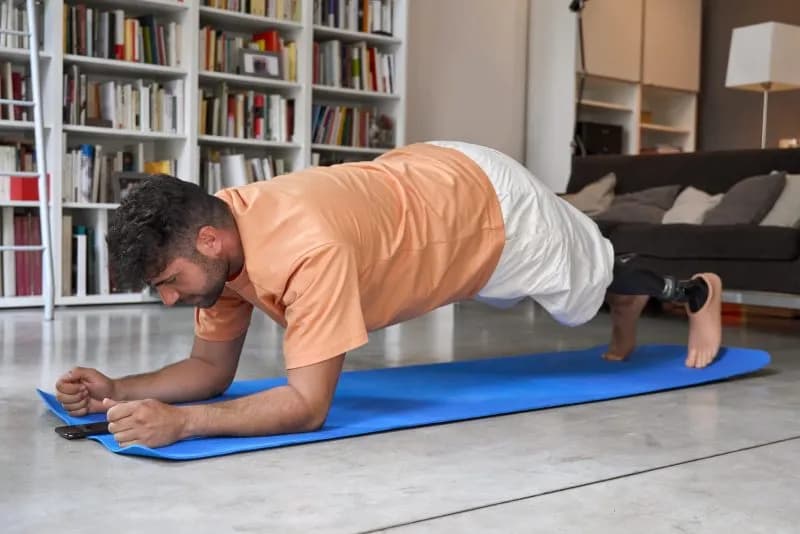
These are the exercises consistently rated most effective for core activation, backed by both exercise science and practical training experience.
Plank
The plank is the gold-standard core exercise. It engages the transverse abdominis — your deepest core muscle — along with the obliques and lower back stabilizers, all at once. Hold for 20–45 seconds, 3 sets. Keep hips level, prevent lower back sag, and breathe steadily throughout.
Dead Bug
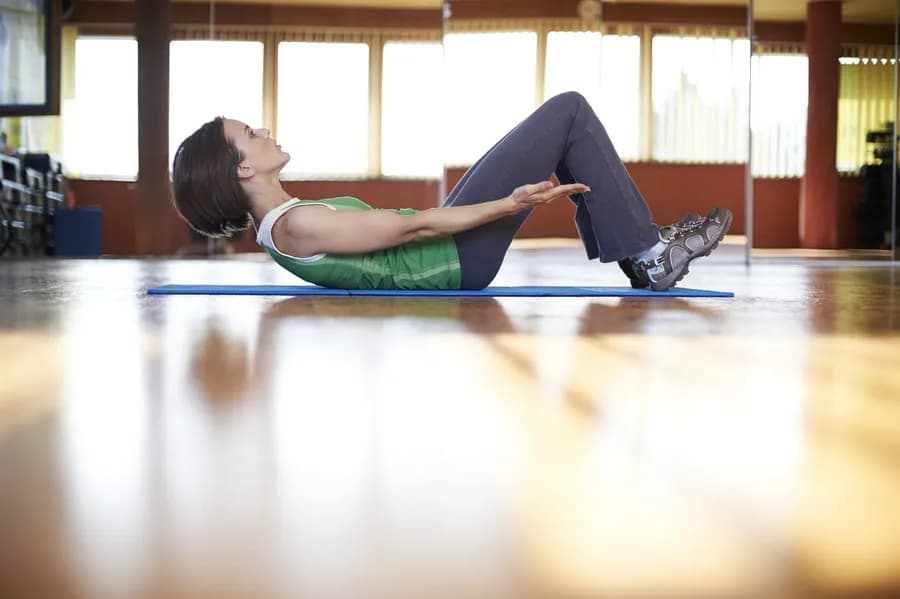
Underrated and highly effective. Lie on your back and extend the opposite arm and leg simultaneously while pressing your lower back firmly into the floor. This move trains deep core stability and spinal control without compressing the neck. Aim for 8–10 reps per side, 3 sets.
Bicycle Crunches
One of the most comprehensive ab exercises, targeting both the rectus abdominis and the obliques in a single movement. Slow, controlled reps with a full rotation are far more effective than fast, sloppy repetitions. Perform 15–20 controlled reps, 3 sets.
Hollow Body Hold
A gymnastics staple that builds total core tension from a single position. Lie on your back, press your lower back into the floor, and raise arms and legs slightly off the ground. Hold for 20–30 seconds. It’s harder than it looks and highly rewarding for core endurance.
Leg Raises
Target the often-neglected lower abdominal region. Lie flat, keep legs straight, and raise them to 90 degrees before slowly lowering back down without letting them touch the floor. For a full breakdown of targeted progressions, exercises for lower abs is a useful next step. Perform 10–15 reps, 3 sets.
Mountain Climbers
A dynamic core move that also elevates heart rate — making it one of the best answers to which cardio is best for abs. Start in a plank position and drive alternating knees toward your chest at a controlled pace. Perform 30 seconds on, 15 seconds rest, for 3 rounds.
Side Plank
Isolates the obliques and the quadratus lumborum — the muscles on the sides of your core that standard planks and crunches miss. Hold for 20–30 seconds per side, 3 sets each. Progress by lifting the top leg or adding a controlled hip dip.
Common Mistakes to Avoid
- Poor Form Over Higher Reps The most common mistake is sacrificing form for volume. Fifty sloppy crunches with your neck straining activates far less core than 15 slow, controlled bicycle crunches done properly. Quality always wins over quantity.
- Skipping the Warm-Up Going straight into intense core work without preparing the spine and hips increases injury risk. Spend five minutes with cat-cow stretches, hip circles, and light movement before any ab session. This prepares the nervous system and lubricates the joints.
- Overtraining the Abs Abs are muscles — they need recovery just like any other muscle group. Training them every single day without rest leads to fatigue, reduced performance, and increased lower back tension. Two to four dedicated sessions per week is sufficient for most people.
- Inconsistency One intense week followed by two weeks off produces no lasting results. Core strength is built through steady, repeated effort over months. The people who see real change are those who show up regularly — not those who go hardest in a single session.
Who Should Try Ab Training?
- Beginners Ab training has one of the lowest barriers to entry in all of fitness. No equipment, no gym, and no prior experience required. Starting with the dead bug and a basic plank hold is enough. Effort and patience matter more than intensity at the start.
- Women There is a persistent myth that core training leads to a bulky midsection for women. This is inaccurate. Most women develop lean, defined core muscles without bulk — especially through bodyweight and stability-focused training. Stronger abs also support pelvic floor health and are particularly valuable during and after pregnancy with appropriate modifications.
- Older Adults Core strength becomes increasingly important with age, supporting exercises for balance that reduce fall risk. Gentle progressions like the dead bug and seated core holds are safe entry points. Always consult your doctor before starting a new routine if you have existing back or spinal conditions.
- Working Professionals Long hours at a desk weaken the core and tighten the hip flexors — a recipe for chronic back discomfort. A 10–15 minute ab routine three times a week can meaningfully improve posture and reduce tension. No gym commute required.
Build Core Strength with a Routine That Actually Works
Building strong abs isn’t about doing the most exercises — it’s about showing up consistently with the right guidance and a structured plan. Random workouts plateau quickly. A progressive, coached routine keeps you improving week after week.
What You Get with Habuild’s Strong Everyday Program:
- Daily live guided strength and core sessions
- Beginner to advanced progression built in
- No-equipment and home-friendly workouts
- Expert guidance to ensure correct form
- Community support to keep you consistent
Start Your Core Training Journey
Related reads: Which Exercise Is Best for Heart Health? · Benefits of Crunch Exercise: Core Strength, Abs and Beyond
The best ab exercise is really the one you can repeat consistently with good form, since visible core strength comes from accumulated, progressive training rather than any single move. That kind of structure is easier to maintain with guidance behind it. Habuild’s Strong Everyday program keeps your ab and core training structured and progressive, session after session.
Which ab exercises are most effective tends to come down to compound, weighted, or resistance-based moves over isolated crunches alone.
Frequently Asked Questions
Related Articles
What Is a Core Strength? Benefits, Exercises & How to Build It
What is a core strength? Learn what it means, why it matters, and the best core exercises to build it with Habuild's guided strength training.
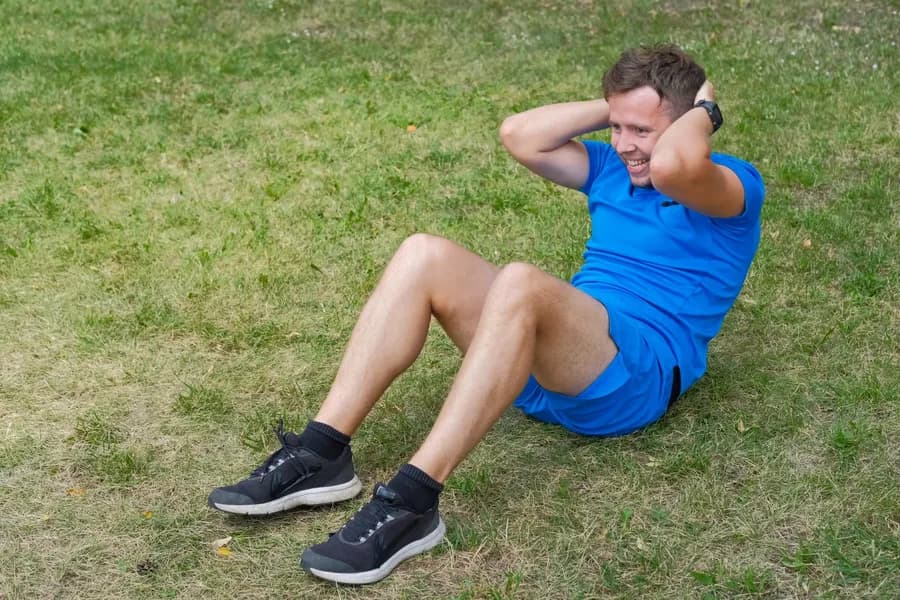
What Are Crunches Workout? Benefits, Types & Tips
What are crunches workout? Learn benefits, proper form, best variations, and common mistakes. Start your core training journey with a 14-day free trial.
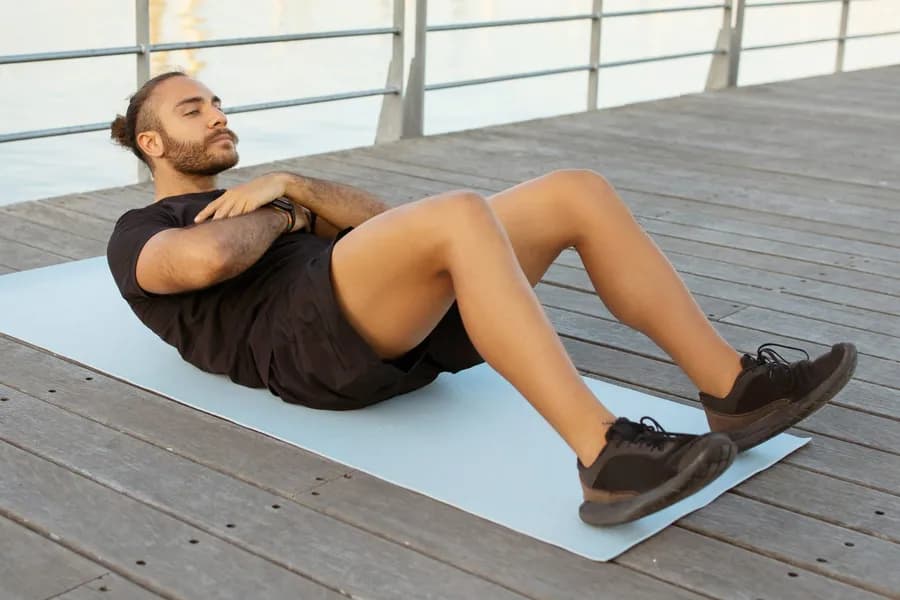
What Are Crunches Exercises? Benefits, Types & How to Do Them
Discover what crunches exercises are, their key benefits, common mistakes, and how to start. Try Habuild's guided strength training for ₹1.
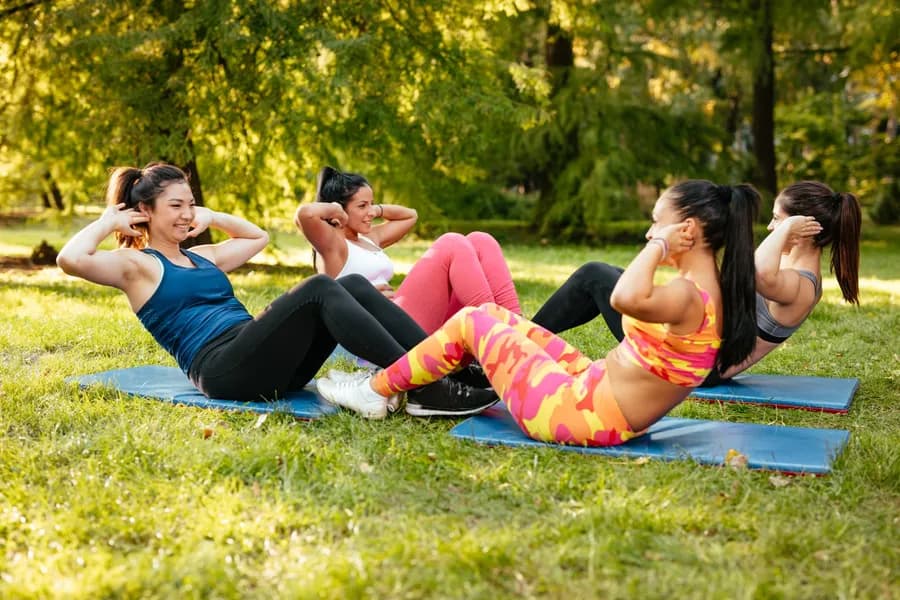
What Are Core Exercises? Complete Guide for Strength
Movements training the muscles around your trunk — abdominals, obliques, lower back, hips, and pelvic floor — build the stability behind every other workout. See the complete guide for strength.

Six Pack Exercise at Home: Core Workouts That Actually Work
Visible abdominal definition requires two things at once — core muscle development and fat reduction through a caloric deficit — not endless crunches alone. See the most effective exercises at home.