
Simple Yoga Exercises for Beginners
Beginner-friendly postures and breathing practices you can start at home today — no equipment, no prior experience needed. See the routine, with most.
Key Takeaways
- No equipment or prior experience needed – just 15-20 minutes daily to start.
- Poses like Plank, Boat Pose, and Bridge build core strength gradually without equipment.
- Trains the body to stack joints properly – shoulders over hips, hips over ankles.
- Most beginners breathe shallowly without realizing it; simple practice actively trains the breath.
- Evening forward folds and restorative poses help lower cortisol before sleep.
- Most practitioners notice meaningful changes within two to three weeks of consistent practice.
Simple yoga exercises are beginner-friendly postures and breathing practices you can start at home today — no equipment, no prior experience needed. A consistent 15–20 minutes daily builds flexibility, eases tension, and improves focus, with most practitioners noticing meaningful changes within 2–3 weeks.
If you’ve been looking for a gentle way to build flexibility, ease tension, and feel better in your body, simple yoga exercises are one of the most accessible places to start. A consistent 15–20 minutes each morning can gradually shift how your body feels and how clearly your mind works — one session at a time. Explore yoga for flexibility to understand how a structured approach makes this easier from day one.
7 Benefits of Simple Yoga Exercises
- Improves Flexibility Without Strain Beginner-friendly poses gently lengthen tight muscles over time. You don’t need to touch your toes on day one — what matters is showing up regularly. With consistent practice, flexibility becomes a natural outcome rather than a forced goal.
- Reduces Stress and Quiets Anxiety Slow, breath-led movement activates the parasympathetic nervous system, signalling your body to calm down. Even five minutes of mindful breathing paired with gentle movement can noticeably reduce mental clutter at the end of a long day.
- Builds Core Strength Gradually Poses like Plank, Boat Pose, and Bridge require you to engage your core without any equipment. Over weeks of practice, this translates into better stability, improved posture, and a stronger midsection.
- Enhances Balance and Posture Many simple yoga poses train your body to stack joints properly — shoulders over hips, hips over ankles. This carries over directly into how you sit at a desk, walk, or stand throughout the day.
- Supports Better Sleep Evening yoga routines — particularly forward folds and restorative poses — help lower cortisol and prepare the nervous system for rest. People who practise consistently often report falling asleep more easily and waking up less groggy.
- Improves Breathing Capacity Most beginners breathe shallowly without realising it. Simple yoga exercises actively train the breath, expanding lung capacity and improving how efficiently oxygen is delivered throughout the day.
- Creates a Consistent Daily Habit Because the entry barrier is low — no equipment, no gym, no long sessions — simple yoga is one of the easiest practices to maintain. And consistency, more than intensity, is what produces lasting change.
How to Get Started with Simple Yoga Exercises
What You Need to Begin
Very little. A yoga mat is helpful but not mandatory — a carpet or firm surface works to start. Wear comfortable, non-restrictive clothing. Keep a water bottle nearby and choose a quiet space where you won’t be interrupted for 15–20 minutes.
Setting Realistic Goals
Start with the intention of practising 10–15 minutes every day rather than a 60-minute session twice a week. Frequency beats duration, especially at the beginning. Don’t measure progress by how deep you go into a pose — measure it by how consistently you show up.
Start with the Basics
Begin with standing poses and seated stretches before attempting anything more advanced. Focus on breath awareness throughout: inhale to lengthen, exhale to deepen or release. If a pose causes sharp pain, ease out of it immediately. For a foundational reference, explore basic yoga poses for beginners to understand the building blocks before moving forward.
Best Poses for Simple Yoga Exercises
Tadasana (Mountain Pose)
Stand with feet together, arms at your sides, spine tall. Press all four corners of your feet into the floor and engage your thighs gently. Inhale to lengthen through the crown of your head. This pose trains body awareness and is the foundation for every standing posture.
Adho Mukha Svanasana (Downward-Facing Dog)
Start on hands and knees, then lift your hips up and back to form an inverted V. Press your palms flat, soften your knees if needed, and let your heels sink toward the floor. Hold for 5 steady breaths. This pose stretches the hamstrings, calves, and spine simultaneously.
Virabhadrasana I (Warrior I)
Step one foot forward into a lunge, square your hips toward the front, and raise both arms overhead. Keep the front knee directly over the ankle. Warrior I builds lower body strength and opens the chest and hip flexors — areas that tighten from prolonged sitting. Learn more about Virabhadrasana 1 and how to position yourself safely in this pose.
Balasana (Child’s Pose)
Kneel, sit back toward your heels, and stretch your arms forward on the floor. Let your forehead relax onto the mat. Breathe slowly into your back body. This restorative posture releases the lower back and signals the nervous system to slow down.
Bhujangasana (Cobra Pose)
Lie face-down, place your palms under your shoulders, and gently press into the floor to lift your chest. Keep your elbows slightly bent and shoulders away from your ears. This pose strengthens the spine, opens the chest, and may gradually ease upper and lower back tension with regular practice.
Setu Bandhasana (Bridge Pose)
Lie on your back, bend your knees, and plant your feet hip-width apart. Press into your feet to lift your hips toward the ceiling, interlacing your fingers beneath your back. Hold for 5 breaths. Bridge Pose strengthens the glutes, hamstrings, and lower back while gently opening the chest.
Marjariasana (Cat-Cow Stretch)
On hands and knees, alternate between arching your back toward the ceiling on the exhale and dipping your belly toward the floor on the inhale. This flowing movement warms up the entire spine and is one of the most effective simple morning stretches available.
Common Mistakes to Avoid
- Skipping the Warm-Up Jumping straight into poses without loosening the joints first is one of the most common beginner errors. Spend at least 3–5 minutes with gentle neck rolls, wrist circles, and Cat-Cow before moving into standing or seated postures. Cold muscles stretch less effectively and are more prone to strain.
- Holding Your Breath During Poses If you notice you’re holding your breath, the pose is likely too intense for where you are right now. Back off slightly until you can breathe smoothly and steadily. The breath is both a feedback tool and the engine that makes yoga work.
- Forcing Into Advanced Poses Too Soon Social media is full of impressive yoga poses that take years to build toward. Attempting them before your body is ready is the fastest route to injury and discouragement. Spend your first 4–6 weeks exclusively on foundational simple yoga poses and let your body adapt naturally.
- Inconsistent Practice Practising intensely for three days and then skipping two weeks produces almost no benefit. The compounding value of yoga comes from daily or near-daily repetition. Even a 10-minute session on a busy day is far more valuable than skipping entirely.
Who Should Try Simple Yoga Exercises?
- Beginners Simple yoga requires no prior experience, no baseline fitness level, and no equipment. If you can breathe and follow a basic cue, you can start today. The learning curve is gentle by design.
- Women For women managing hormonal shifts, stress, or irregular cycles, gentle yoga offers a low-impact way to support overall well-being. Consistent practice may gradually ease discomfort associated with hormonal fluctuations and improve mood over time. Exploring yoga for hormonal balance can complement your daily routine.
- Older Adults Simple yoga exercises that focus on balance, joint mobility, and slow stretching are well-suited for older adults. Begin with seated or wall-supported versions of any pose, and always consult your doctor before starting if you have existing joint or cardiovascular conditions.
- Working Professionals Desk work creates predictable patterns of tension: tight hips, rounded shoulders, stiff lower back, and shallow breathing. A short yoga session in the morning or evening directly addresses these areas and resets your posture for the next day.
Build Flexibility with a Routine That Actually Works
Building flexibility and strength through yoga isn’t about random effort — it’s about consistency, proper guidance, and following a structured routine that progresses with you. With the right support, you can practise simple yoga exercises effectively from home and see real, gradual improvement over time.
What You Get with Habuild’s Yoga Everyday Program:
- Daily live guided yoga sessions with expert instructors
- Beginner to advanced progression — you grow at your own pace
- No equipment needed, fully home-friendly practice
- Real-time correction and expert guidance to ensure safe form
- A community of thousands of consistent practitioners for accountability
If you’ve been looking for the best online yoga classes that balance structure with flexibility, Habuild’s Yoga Everyday program is built precisely for that. You can also explore daily online yoga classes to understand how a structured daily format builds the consistency that occasional practice simply cannot.
Start Your Yoga Journey
Frequently Asked Questions
Related Articles
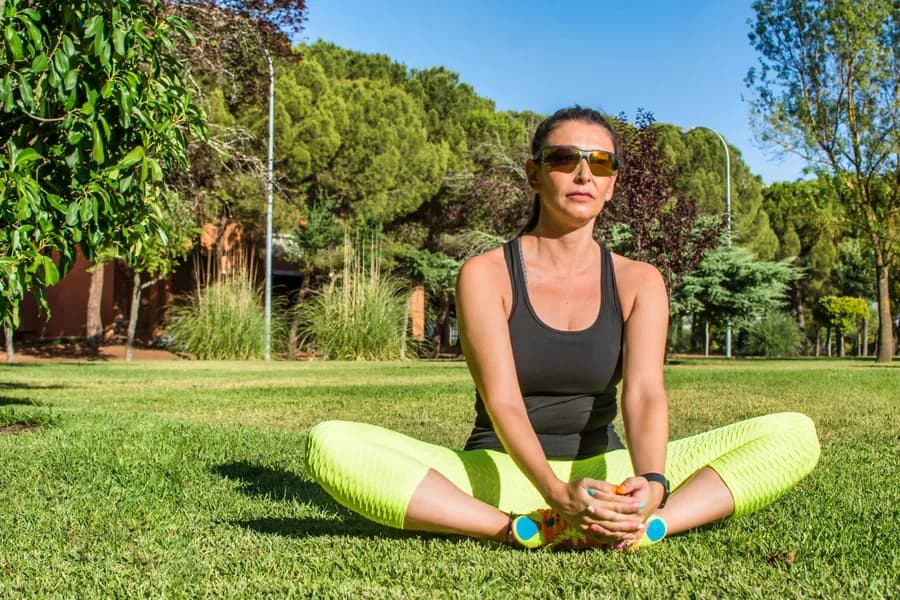
How to Start Yoga for Beginners: Your Complete First Guide
No previous flexibility, physical fitness, or meditation experience is required — just a mat, 20-30 minutes daily, and reliable guidance. See the complete.

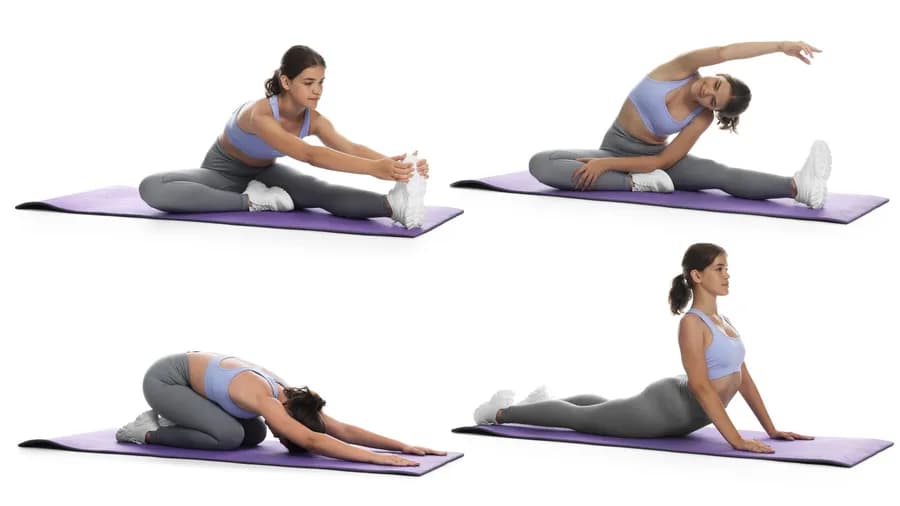
Yoga Warm Up Exercises: Best Poses & How to Start
Discover the best yoga warm up exercises to prepare your body safely. Start your practice right with Habuild’s guided daily yoga — try free for 14 days.
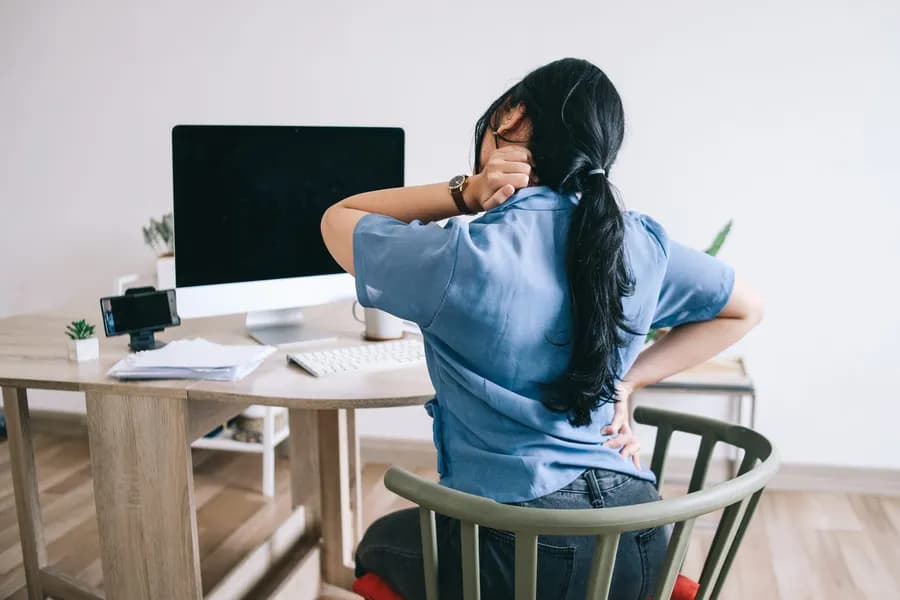
How to Improve Posture: Yoga, Exercises and Daily Habits
Reminding yourself to sit up straight doesn’t fix posture — building posterior chain strength and anterior chain flexibility makes good posture the path.