
Types of Yoga Breathing: A Complete Guide to Pranayama Techniques
Anulom Vilom, Bhastrika, Kapalbhati, Ujjayi, Sheetali, Bhramari, and Nadi Shodhana each work differently on the body and mind, from calming to generating.
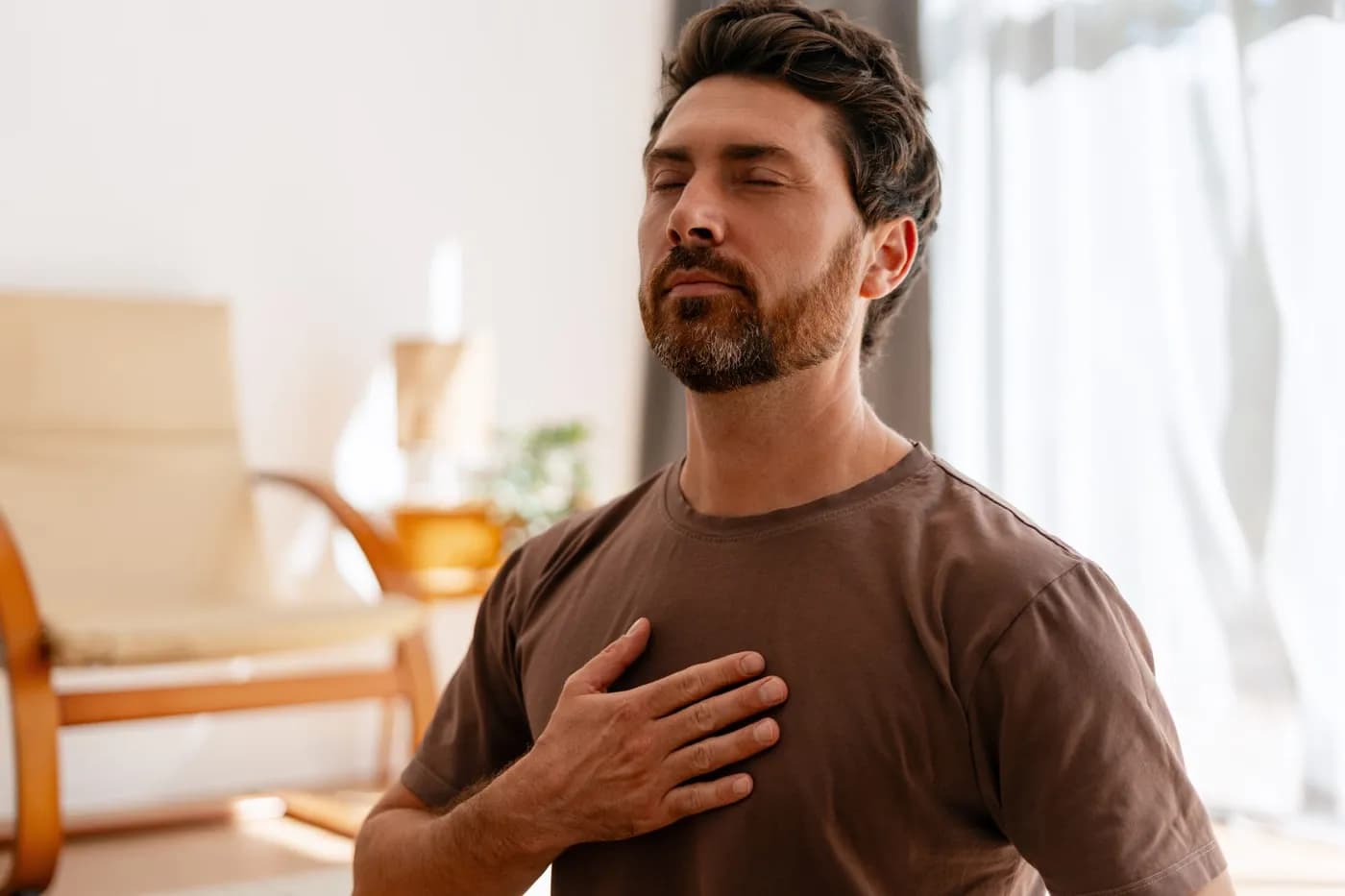
Key Takeaways
- Includes Anulom Vilom, Bhastrika, Kapalbhati, Ujjayi, Sheetali, Bhramari, and Nadi Shodhana.
- Classical texts describe eight to twelve core pranayama types; this guide covers seven.
- Slow controlled breathing activates the parasympathetic nervous system, easing tension.
- Full three-part breaths train the diaphragm and intercostal muscles for better oxygen exchange.
- Bhastrika energizes and warms the body, while Sheetali cools and quiets the system.
- Just five to ten quiet, uninterrupted minutes are enough to begin a daily practice.
Yoga breathing — or pranayama — encompasses a range of techniques including Anulom Vilom, Bhastrika, Kapalbhati, Ujjayi, Sheetali, Bhramari, and Nadi Shodhana. Each method works differently on the body and mind, from activating calm to generating heat and focus. Most classical texts describe eight to twelve core pranayama types, and this guide covers the seven most widely practised.
Understanding the different types of yoga breathing is the first step toward a more grounded, energised, and consistent practice. Pranayama — the ancient science of breath control — is far more than simply inhaling and exhaling. Each technique works on a different aspect of your physiology and mental state, from calming an anxious mind to warming the body on a cold morning. Whether you are completely new to yoga or looking to deepen what you already know, this guide covers every key breathing method you need.
Key Benefits of Yoga Breathing Techniques
- Supports Stress and Anxiety Management Slow, controlled breathing activates the parasympathetic nervous system, which helps the body shift away from a stress response. Practising pranayama regularly may gradually ease feelings of tension and help you feel more composed throughout the day. If managing anxiety through movement is a priority, yoga for anxiety alongside breathwork can make the practice even more effective.
- Improves Lung Capacity and Respiratory Efficiency Many yoga breathing exercises involve full, three-part breaths that train the diaphragm and intercostal muscles. Over time, consistent practice supports better oxygen exchange and respiratory endurance — particularly useful for those managing mild breathing difficulties.
- Builds Focus and Mental Clarity Alternate nostril breathing and rhythmic breath retention techniques are especially known for supporting concentration. The act of deliberately pacing your breath draws attention away from distractions and anchors the mind in the present moment.
- Energises or Calms Depending on the Technique Not all pranayama practices feel the same. Some — like Bhastrika — are invigorating and warming. Others — like Sheetali — cool and quieten the system. Knowing which type of yoga breathing to use at a given time is a practical skill you build gradually.
- Complements Physical Asana Practice Breath awareness during poses improves alignment, reduces the risk of straining, and deepens the mind-body connection. Many yoga teachers consider pranayama the bridge between movement and meditation.
How to Get Started with Yoga Breathing
What You Need to Begin
Pranayama requires almost nothing in terms of equipment. A comfortable seated position — on a yoga mat, a folded blanket, or even a chair — is sufficient. Wear loose, comfortable clothing that does not restrict the chest or abdomen. A quiet space and five to ten minutes of uninterrupted time are all you genuinely need to start.
Setting Realistic Goals
Begin with just one or two techniques and practise them daily for two weeks before adding more. Consistency over variety is what produces real results. Even five minutes of focused breathing each morning can shift how you feel within days. The goal is to make pranayama a non-negotiable part of your routine — not a complex ritual you do occasionally.
Start with the Basics
New practitioners should begin with natural breath observation: simply watching the inhale and exhale without controlling it. From there, move to diaphragmatic breathing, then to Anulom Vilom (alternate nostril breathing). These foundational techniques build the breath awareness needed for more advanced pranayama types. For a fuller sense of how breathwork fits within a complete practice, understanding the benefits of pranayama is worth doing early on.
Best Pranayama Types: 7 Core Yoga Breathing Techniques
Anulom Vilom (Alternate Nostril Breathing)
Close the right nostril with the thumb and inhale slowly through the left. Then close the left nostril with the ring finger and exhale through the right. Reverse and repeat. This is one of the most balanced pranayama types — it may gradually support mental clarity and calm the nervous system with regular practice. Inhale for a count of four, exhale for a count of four to start.
Bhastrika (Bellows Breath)
Bhastrika involves forceful, rapid inhalations and exhalations through the nose, powered by the diaphragm. It generates heat in the body and is typically practised in the morning to build energy. Begin with 10–15 rounds and increase gradually. Avoid this technique if you have high blood pressure or are pregnant.
Kapalbhati (Skull-Shining Breath)
In Kapalbhati, the exhale is sharp and active — driven by a quick contraction of the abdominal muscles — while the inhale is passive. This technique is widely practised in Indian yoga traditions and is known to support digestive function and mental alertness when done consistently. Start with 30 rounds at a comfortable pace.
Ujjayi (Ocean Breath)
Ujjayi involves a slight constriction at the back of the throat, creating a soft sound like distant ocean waves. It is the signature breath of Vinyasa and Ashtanga yoga sequences. This technique supports sustained focus during physical practice and may help regulate body temperature. Inhale and exhale through the nose only, maintaining the oceanic sound throughout.
Sheetali (Cooling Breath)
Roll the tongue into a tube (or if unable, use Sitkari — teeth lightly together, lips parted). Inhale slowly through this opening, then close the mouth and exhale through the nose. Sheetali is particularly useful in warm weather or when the body feels overheated and tense. Practise 8–12 rounds.
Bhramari (Humming Bee Breath)
Close the ears with the thumbs, place fingers gently over the eyes and face, inhale deeply, and on the exhale produce a steady humming sound. The vibration created is calming for the nervous system and may gradually ease sensations of stress or agitation. It is one of the most immediately soothing of all pranayama types. Practise 5–7 rounds in a quiet space.
Nadi Shodhana (Channel Purification)
Similar to Anulom Vilom but with added breath retention (kumbhaka) as the practice matures, Nadi Shodhana is considered one of the most complete types of yoga breathing for balancing the body’s energy channels. Begin without retention — simply alternate nostrils — and introduce holds only after several weeks of consistent practice.
Common Mistakes to Avoid
- Skipping Warm-Up Jumping into powerful techniques like Bhastrika without first sitting quietly and observing the natural breath can feel jarring. Spend two to three minutes with simple breath awareness before beginning any active pranayama. This small step makes a noticeable difference to how controlled and comfortable the practice feels.
- Holding the Breath Forcefully Breath retention should always feel sustainable and calm, never strained. If you feel dizzy, short of breath, or anxious during kumbhaka (retention), release immediately and return to natural breathing. Retention is a gradual progression — not something to rush.
- Forcing Advanced Ratios Too Soon Classical pranayama texts describe breath ratios such as 1:4:2 (inhale : retain : exhale). Attempting these ratios without months of foundational practice is a common error that can cause discomfort. Build up the length of each phase slowly, over weeks and months, rather than days.
- Inconsistent Practice The benefits of pranayama accumulate with repetition. Practising once a week produces very little. A short daily session — even five minutes — is substantially more effective than an hour-long session done occasionally. Consistency is the single most important variable in any breathing practice.
Who Should Try These Types of Yoga Breathing?
- Beginners Pranayama is genuinely accessible from day one. Techniques like natural breath observation and Anulom Vilom require no prior experience and carry minimal risk. Starting with guided sessions makes the learning curve much gentler. Yoga for beginners programs typically include foundational breathwork as a core component.
- Women Several pranayama types are particularly relevant for women dealing with hormonal fluctuations, stress-related fatigue, or irregular sleep. Bhramari and Nadi Shodhana, in particular, may gradually support a calmer hormonal environment when practised consistently over time — as part of a broader lifestyle approach rather than as a standalone fix.
- Older Adults Breathing exercises are among the most accessible wellness practices for older adults — they can be done seated, require no physical strain, and carry very low injury risk. Sheetali and Anulom Vilom are especially gentle starting points. Anyone with a pre-existing respiratory or cardiovascular condition should consult their doctor before beginning a new breathing practice.
- Working Professionals For those managing high workloads and screen-heavy routines, even a five-minute Bhramari or Ujjayi practice during a break can meaningfully shift the mental state. Pranayama is one of the few wellness tools that fits seamlessly into a desk-based schedule without requiring a change of clothes or any equipment.
Build a Breathing Practice That Actually Works
Learning about types of yoga breathing is straightforward — the harder part is building a daily habit around them. That is exactly where most people struggle: motivation fades, sessions get skipped, and the compounding benefits never fully arrive. Structured guidance and daily accountability change that equation entirely.
What You Get with Habuild’s Yoga Everyday Program:
- Daily live guided sessions that include pranayama as a core element
- Beginner to advanced progression — breathwork builds naturally over time
- No equipment needed; practise fully from home
- Expert instructors who correct technique in real time
- A community that helps you show up consistently, day after day
Start Your Yoga Journey
Frequently Asked Questions
Related Articles
Types of Kriya Yoga: A Complete Guide
Explore all major types of kriya yoga, their benefits, and how to begin. Start your consistent yoga practice with Habuild’s guided sessions from just.

What is Yoga? Meaning, Types, Benefits and How to Practise It
Originating in India over 5,000 years ago, yoga combines physical postures, breathing techniques, and meditation into one unified practice. See the.
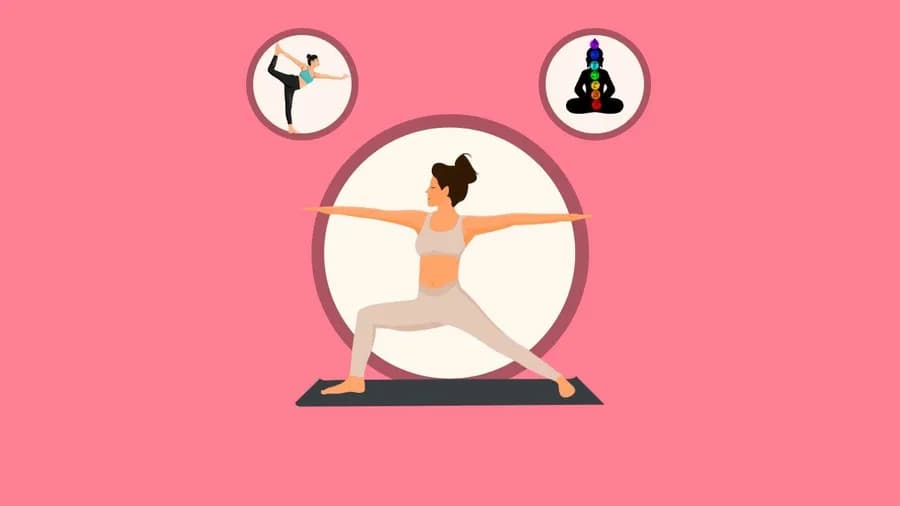
How Many Types of Yoga Are There? Complete Guide to All Major Yoga Styles
The classical tradition recognises four primary paths, while modern physical yoga has developed at least 11 major styles practised globally today. See the.