
Yoga Benefits for Women: Poses, Routines & How to Get Started
Regular practice may gradually support hormonal balance, ease stress, strengthen the core, and help you feel more grounded in daily life. See which poses.
Key Takeaways
- Certain poses stimulate the endocrine glands, supporting hormonal regulation through life stages.
- Useful for women managing PMS, irregular cycles, or perimenopausal shifts specifically.
- Deep stabilizing poses build core strength without requiring weights or gym equipment.
- A gentle evening routine of forward folds and restorative poses eases the body toward sleep.
- Consistency for 10-20 minutes daily matters more than attempting advanced poses in week one.
- Coordinating movement with breath is the single most important skill for women starting out.
The yoga benefits for women extend well beyond flexibility — regular practice may gradually support hormonal balance, ease stress, strengthen the core, and help you feel more grounded in your daily life. Whether you are in your twenties, navigating your 40s, or simply looking to build a sustainable wellness habit, yoga meets you where you are.
This guide covers what to expect, which poses to prioritise, and how to begin practising confidently — even from home.
Key Benefits of Yoga for Women
- Improves Flexibility and Joint Mobility Consistent yoga practice gradually lengthens tight muscles and improves range of motion in joints that often stiffen from long hours of sitting or repetitive movement. Over weeks of regular sessions, everyday activities — reaching, bending, and walking — feel noticeably easier.
- Supports Hormonal Balance Certain yoga poses stimulate the endocrine glands and may help support the body’s natural hormonal regulation over time. This is especially relevant for women managing PMS, irregular cycles, or the physical shifts that come with perimenopause. Yoga for hormonal balance is a useful starting point for understanding which practices support this aspect of women’s health.
- Reduces Stress and Anxiety The combination of conscious breathing, deliberate movement, and focused attention activates the parasympathetic nervous system — the body’s “rest and digest” mode. Women who practise consistently often report feeling calmer and less reactive to daily pressures over time.
- Builds Core Strength and Better Posture Many yoga poses engage the deep stabilising muscles of the abdomen, back, and pelvis without requiring weights or gym equipment. This functional strength supports better spinal alignment and may ease chronic discomfort caused by poor posture.
- Supports Better Sleep Quality A gentle evening yoga routine — incorporating forward folds and restorative postures — can signal the nervous system to wind down, making it easier to fall asleep and stay asleep. The benefits tend to compound with consistent nightly practice.
How to Get Started with Yoga as a Woman
What You Need to Begin
The barrier to entry is genuinely low. All you need is a yoga mat (or a non-slip surface), comfortable clothing that allows free movement, and enough floor space to stretch your arms wide. No weights, gym membership, or prior experience required.
Setting Realistic Goals
Rather than aiming for advanced poses in week one, focus on showing up daily for 10–20 minutes. Consistency matters far more than intensity, particularly in the early weeks. Small, regular sessions build the habit and the body simultaneously.
Start with the Basics
Begin with foundational standing poses, gentle seated stretches, and breath-awareness exercises. Learning to coordinate movement with the breath is the single most important skill for beginners — everything else follows from there. Yoga poses for beginners can help you identify the right starting sequence.
Best Yoga Poses for Women
Tadasana (Mountain Pose)
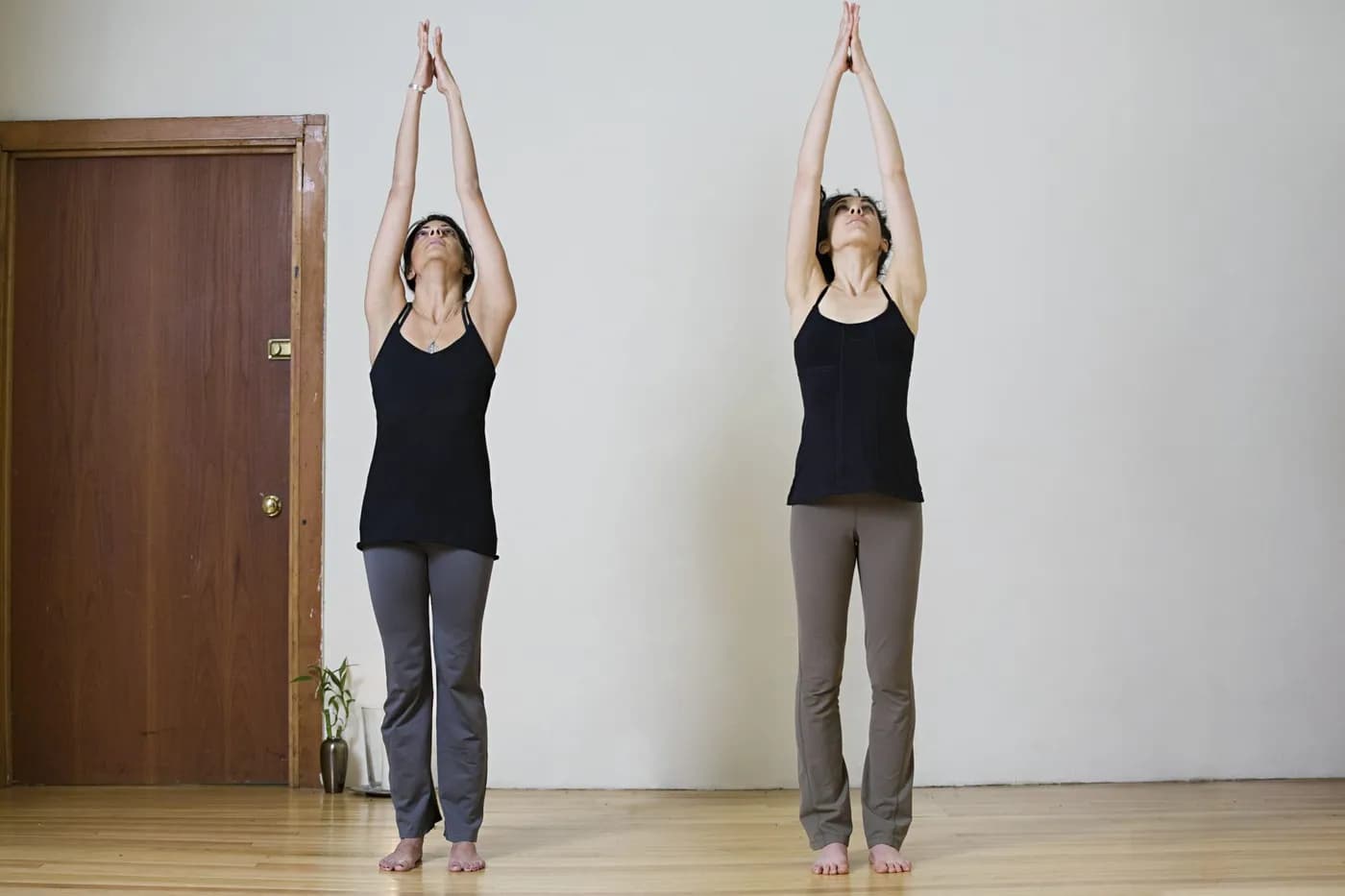
This foundational standing pose trains full-body alignment and awareness. Stand tall with feet together, arms at your sides, and breathe evenly. It actively engages the legs, spine, and core — the Mountain Pose benefits page covers alignment cues in detail.
Bhujangasana (Cobra Pose)
Lying face-down, press the palms into the mat and gently lift the chest on an inhale. Cobra Pose opens the chest, stretches the front of the body, and strengthens the muscles along the spine. For women, regular practice may gradually help with upper back tension and support a more upright posture. Explore the benefits of Cobra Pose for full technique cues.
Virabhadrasana II (Warrior II Pose)
Step one foot back, bend the front knee, and extend arms parallel to the floor. Warrior II builds stamina in the legs and hips while opening the chest. Inhale to lengthen; exhale to deepen the stance. Hold for five steady breaths per side.
Balasana (Child’s Pose)
Kneel on the mat, sink the hips toward the heels, and extend the arms forward as the forehead rests on the ground. This deeply restorative posture releases tension from the lower back, hips, and shoulders. Use it as a resting point between more active poses or whenever you need a moment to reset.
Setu Bandhasana (Bridge Pose)
Lying on your back with knees bent and feet flat on the mat, press into the feet and lift the hips on an inhale. Bridge Pose strengthens the glutes, hamstrings, and lower back while gently opening the chest and hip flexors — particularly useful for women who sit for long hours. See the full Setu Bandhasana guide for step-by-step instructions.
Paschimottanasana (Seated Forward Fold)
Sit with legs extended, inhale to lengthen the spine, then exhale and hinge forward from the hips toward the feet. This pose stretches the entire posterior chain — hamstrings, calves, and lower back — and has a noticeably calming effect on the nervous system.
Extended Child’s Pose
From the standard Child’s Pose position, walk both hands as far forward as comfortable and press the palms flat. This extended variation adds a deeper stretch through the lats and shoulders — especially welcome after a day of screen-based work.
Common Mistakes to Avoid
- Skipping the Warm-Up Jumping into deep stretches or strong poses without warming up the joints increases the risk of strain. Spend five minutes in gentle mobilisation — cat-cow movements, neck rolls, and ankle circles — before moving into the main practice.
- Holding the Breath During Poses Breath-holding is the most common error beginners make. If you notice you have stopped breathing, ease back from the pose until you can breathe comfortably again. The breath is not a detail — it is the practice.
- Forcing into Advanced Poses Too Soon Deeper poses like full splits or deep backbends require months of foundational preparation. Pushing past your current range to mimic an image online is a reliable path to injury. Let the body open at its own pace — it will, with consistent practice.
- Inconsistent Practice The most significant yoga benefits for women accumulate through regularity, not occasional intense sessions. Even 15 minutes every day will produce noticeably better results than a 90-minute session once a week. Building the habit matters more than perfecting any single session.
Who Should Try Yoga?
- Beginners If you have never practised before, yoga is one of the most accessible entry points into regular physical activity. The learning curve is gentle, no prior fitness level is required, and most poses offer simpler variations that make them achievable from day one.
- Women in Their 40s and Beyond For women navigating hormonal changes, shifting energy levels, or joint stiffness in their 40s and 50s, yoga offers a low-impact, high-return practice. It can support mobility, help manage stress, and complement other aspects of healthcare — though it works alongside, not in place of, medical guidance.
- Older Adults Gentle yoga is one of the most recommended movement practices for older adults looking to maintain mobility and functional independence. Poses can be adapted to chairs or supported with props. Always check with a doctor before beginning if managing a chronic condition.
- Working Professionals A short yoga session at the start or end of the workday can help counter the physical effects of prolonged sitting — tight hips, rounded shoulders, and neck tension — while also providing mental decompression after demanding hours.
Build Flexibility with a Routine That Actually Works
Knowing the poses is only half the journey. Building flexibility, strength, and calm through yoga really comes down to one thing: showing up consistently, day after day, with the right guidance. That is far easier when the structure is already in place for you.
With Habuild’s Yoga Everyday program, you get daily live guided sessions, a clear progression from beginner to more advanced practice, and a community that makes it much harder to skip. Everything is home-friendly and requires no equipment — just you, a mat, and ten to thirty minutes.
What You Get with Habuild’s Yoga Everyday Program:
- Daily live guided yoga sessions with expert teachers
- Beginner to advanced progression built into the schedule
- No-equipment, fully home-friendly practice
- Correct form guidance to help you practise safely
- Community support to help you stay consistent long-term
Start Your Yoga Journey
Frequently Asked Questions
Related Articles
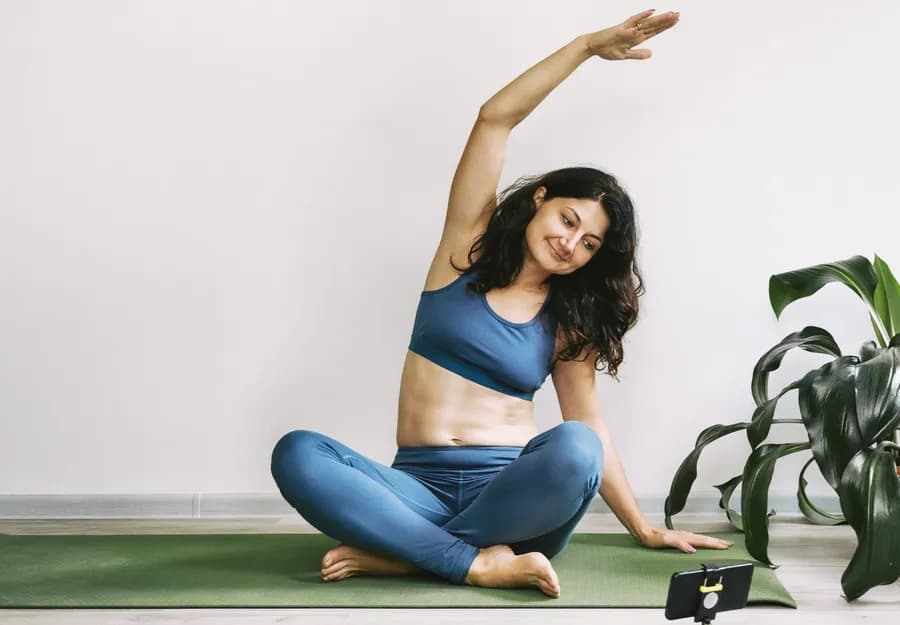
10 Benefits of Yoga for Women
Discover the top benefits of yoga for women — from hormonal balance to stress relief. Start your free 7-day trial with Habuild with a 14-day free trial.

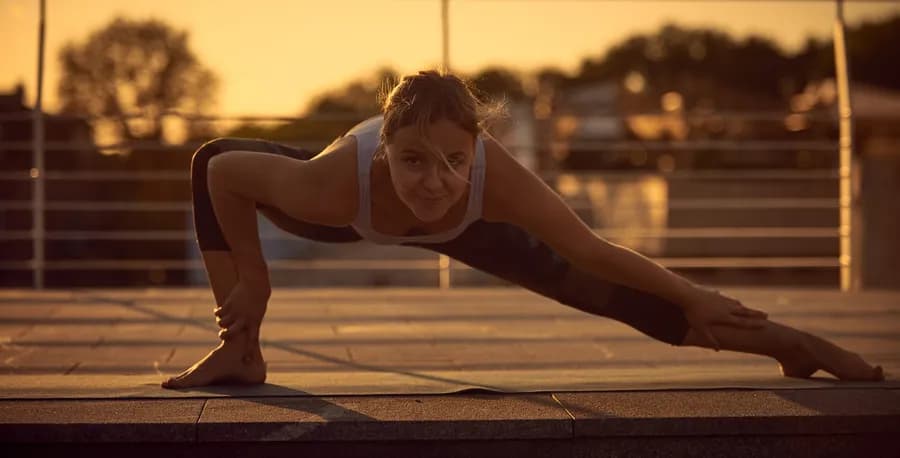
Ashtanga Yoga Kya Hai | Habuild पर जानें पूरी जानकारी
Ashtanga yoga kya hai? जानें इसके फायदे, आसन, शुरुआत कैसे करें और रोज़ अभ्यास से जीवन कैसे बदलता है। Habuild के साथ शुरू करें।

Matsyasana (Fish Pose): Steps, Benefits & Precautions
Fish Pose opens the chest, deepens breathing, and stimulates circulation through the thoracic region, counteracting the postural collapse from prolonged.