
Yoga for Full Body Stretch: Best Poses, Benefits & How to Start
Explore yoga for full body stretch with top poses, beginner tips, and a calming nighttime routine. Start your 7-day trial with a 14-day free trial.
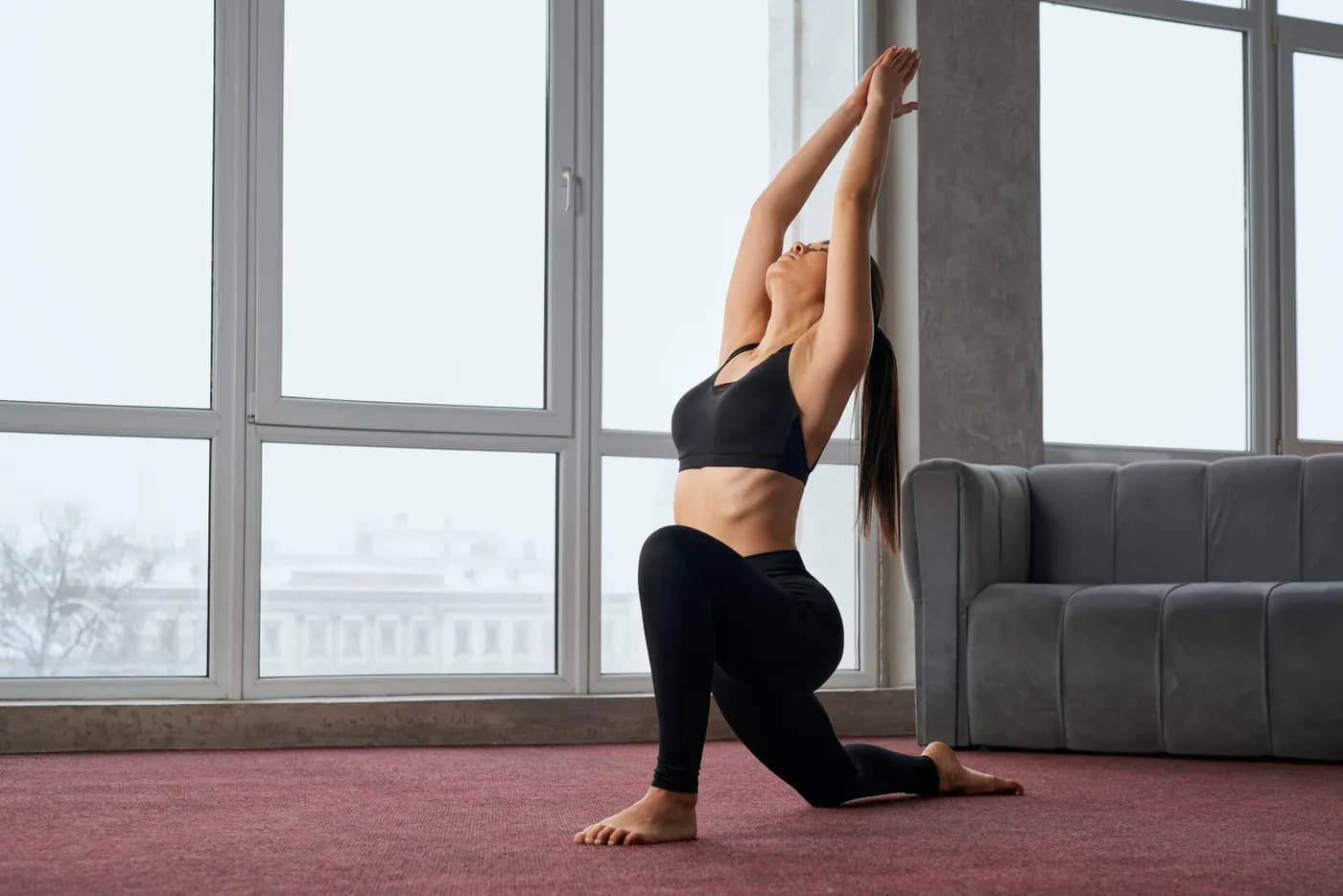
Key Takeaways
- Particularly effective when practiced as part of an evening or nighttime routine.
- Systematically works through the hips, shoulders, and lower back tightened by sitting.
- Slow, mindful stretching before bed lowers cortisol and heart rate to signal wind-down.
- Gentle forward folds and reclined twists target the lumbar muscles bearing daily strain.
- Moving slowly and attentively teaches noticing where tension is held in the body.
- Tight chest muscles and a weak posterior chain together contribute to poor posture.
Yoga for full body stretch is a practice that lengthens and releases tension across every major muscle group — hips, hamstrings, back, chest, and shoulders — through held poses combined with mindful breathing. It is gentle enough for beginners, requires no equipment, and is particularly effective when practised as part of an evening or nighttime yoga routine.
Whether you are a complete beginner or someone who wants to build a consistent yoga before bed habit, the right poses can gradually ease physical tension, calm the nervous system, and support better rest over time. This guide covers the benefits, the best poses, common pitfalls, and how to get started from home tonight.
7 Key Benefits of Full Body Stretch Yoga
- Releases Accumulated Muscle Tension Sitting at a desk, commuting, or standing for long hours tightens the hips, shoulders, and lower back. A gentle full body stretch yoga routine works through each of these areas systematically, encouraging muscles to let go of built-up tightness over time.
- Improves Flexibility and Range of Motion Consistent stretching through yoga — even 10 to 15 minutes an evening — gradually increases joint mobility. Over weeks of regular practice, most people notice they can move more freely in daily activities. For those looking to deepen this journey, yoga for flexibility offers a focused starting point.
- Supports Better Sleep Quality Slow, mindful stretching activates the parasympathetic nervous system — the body’s rest-and-digest mode. Practising yoga before bed helps lower cortisol and heart rate, signalling to the body that it is time to wind down. Many practitioners report that overall sleep quality gradually improves with a consistent nightly routine.
- Eases Lower Back Discomfort The lower back typically bears the most strain during the day. Gentle forward folds, twists, and reclined poses stretch the lumbar muscles and hip flexors that directly contribute to lower back tightness. This practice complements your existing care — always consult a doctor for persistent pain.
- Reduces Stress and Mental Restlessness Pairing slow movement with conscious breath shifts attention away from a busy mind. Practised consistently, this approach may gradually ease feelings of anxiety and mental tension — particularly as part of a nighttime yoga wind-down.
- Improves Posture Over Time Tight chest muscles, stiff hip flexors, and weak posterior chain muscles all contribute to poor posture. Regular full body yoga stretching begins to rebalance these patterns, supporting a more upright and comfortable natural posture with daily practice.
- Builds Body Awareness Moving slowly and attentively through stretch-focused poses teaches you to notice where you hold tension — which is the first step toward managing it. This attention is what makes yoga before bed distinctly more effective than passive stretching alone.
How to Get Started with Full Body Stretch Yoga
What You Need to Begin
You need very little to start. A non-slip yoga mat is helpful, but a folded blanket on a firm floor works just as well. Wear comfortable, loose-fitting clothing that allows you to move freely. No blocks, straps, or special equipment are required for beginner-level stretch poses.
Setting Realistic Goals
Start with 10 to 15 minutes each evening rather than attempting a 60-minute session on day one. Consistency matters far more than duration. A short nightly routine practised daily will produce more gradual, cumulative improvement than occasional long sessions. Practising at the same time each evening helps build the habit naturally.
Start with the Basics
Focus on poses that target major muscle groups — hips, hamstrings, chest, shoulders, and spine. Pay close attention to breath: inhale to lengthen, exhale to release a little deeper into each stretch. Never force a pose beyond your comfortable range. If you are brand new, yoga for beginners provides a solid foundation before moving into deeper stretches.
Best Poses for a Full Body Yoga Stretch
Tadasana (Mountain Pose)
Stand tall with feet hip-width apart, arms relaxed at your sides, and the crown of the head reaching upward. Tadasana grounds attention at the start of any practice and gently activates postural muscles along the entire spine. Breathe slowly and feel the body lengthen with each inhale.
Adho Mukha Svanasana (Downward-Facing Dog)
From hands and knees, press the hips upward and back to form an inverted V shape. This single pose stretches the hamstrings, calves, shoulders, and spine simultaneously — making it one of the most complete full body stretch postures in yoga. Pedal the heels alternately for a deeper calf release. Learn the full technique on the Adho Mukha Svanasana guide.
Balasana (Child’s Pose)
Kneel, sit back toward the heels, and extend the arms forward along the floor with the forehead resting down. Balasana gently stretches the lower back, hips, and thighs while encouraging slow, full breathing. It is an ideal resting pose to return to between more active stretches and is particularly calming before bed.
Supta Matsyendrasana (Supine Spinal Twist)
Lie on your back, draw one knee into the chest, and guide it across the body while extending the same arm out to the side. This reclined twist decompresses the spine, stretches the outer hip and glutes, and releases tension across the mid-back. Hold each side for 5 to 8 slow breaths.
Paschimottanasana (Seated Forward Bend)
Sit with legs extended, inhale to lengthen the spine, then exhale and hinge forward from the hips — reaching toward the shins or feet. This pose deeply stretches the entire posterior chain from the lower back through the hamstrings and calves. Prioritise length over depth — reaching the feet is not the goal.
Bhujangasana (Cobra Pose)
Lie face down, place palms beneath the shoulders, and gently press the chest upward while keeping the elbows slightly bent. Cobra opens the chest, stretches the abdominal muscles, and provides a soft backbend to counterbalance the forward-rounding most people accumulate during the day. Breathe into the front of the chest as you hold.
Supta Baddha Konasana (Reclined Bound Angle Pose)
Lie on your back and bring the soles of the feet together, allowing the knees to fall outward. This pose stretches the inner thighs and groin while placing the body in a fully passive, restorative position. Hold for 2 to 5 minutes as part of a nighttime yoga wind-down sequence.
Common Mistakes to Avoid
- Skipping the Warm-Up Jumping straight into deep stretches on cold muscles increases the risk of discomfort or strain. Always begin with 2 to 3 minutes of gentle movement — neck rolls, shoulder circles, or a slow cat-cow — before holding longer poses.
- Holding Your Breath During Poses Breath-holding is a natural stress response, but it works directly against the purpose of a stretch session. If your breath becomes short or tight, ease back slightly until breathing flows freely again. Continuous, steady breathing is what allows muscles to genuinely release.
- Forcing Into Advanced Poses Too Soon Attempting a deep forward fold or full split in your first week is one of the most common beginner mistakes. Flexibility develops gradually with consistent practice — pushing too far, too fast leads to strain and discouragement. Meet your body where it is today.
- Inconsistent Practice Practising four times one week and skipping the next two provides very little cumulative benefit. The gradual improvements in flexibility, posture, and sleep quality that yoga for full body stretch supports come from daily repetition — even short 10-minute sessions count.
Who Should Try Full Body Stretch Yoga?
- Beginners Full body stretch yoga is one of the most accessible entry points into yoga. There are no complex sequences to memorise, no advanced strength requirements, and modifications exist for every pose. A gentle stretch-focused routine is an ideal place to begin if you have never practised yoga before.
- Women Many women carry tension in the hips and lower back, particularly during hormonal fluctuations across the month. A consistent nighttime yoga practice that includes hip-opening and spinal release poses may gradually support stress management and hormonal balance. Those dealing with specific concerns may also find yoga for hormonal balance a useful complementary resource.
- Older Adults Maintaining joint mobility and muscular flexibility becomes increasingly important with age. Gentle stretch-focused yoga is generally well-suited to older adults, helping support comfortable movement in daily life. Always consult your physician before starting any new exercise practice, especially if you have existing joint or cardiovascular conditions.
- Working Professionals Long hours at a desk create tight hip flexors, stiff shoulders, and rounded posture. A 15-minute yoga before bed routine targeting these areas can form an effective daily recovery ritual, gradually easing the physical toll of sedentary work over time.
Build Flexibility with a Routine That Actually Works
Building flexibility and releasing daily tension is not about sporadic effort — it is about showing up consistently with the right guidance. A structured full body stretch yoga routine, practised nightly with expert instruction, is what turns intention into gradual, real progress.
What You Get with Habuild’s Yoga Everyday Programme:
- Daily live guided yoga sessions including full body stretch and nighttime yoga routines
- Beginner to advanced progression — start exactly where you are
- No-equipment, home-friendly practice
- Expert instructors ensuring correct form and safe progression
- Community support to help you stay consistent day after day
If you have been looking for a way to make yoga before bed a genuine daily habit, this is a low-commitment way to find out whether it works for you. Join Habuild’s best online yoga classes and start your first session tonight.
Frequently Asked Questions
Related Articles

Yoga Stretches for Flexibility: Best Poses & Warm-Up Routine
Discover the best yoga stretches for flexibility with poses, warm-up tips, and a beginner routine. Start your 14-day free trial trial with Habuild Yoga.

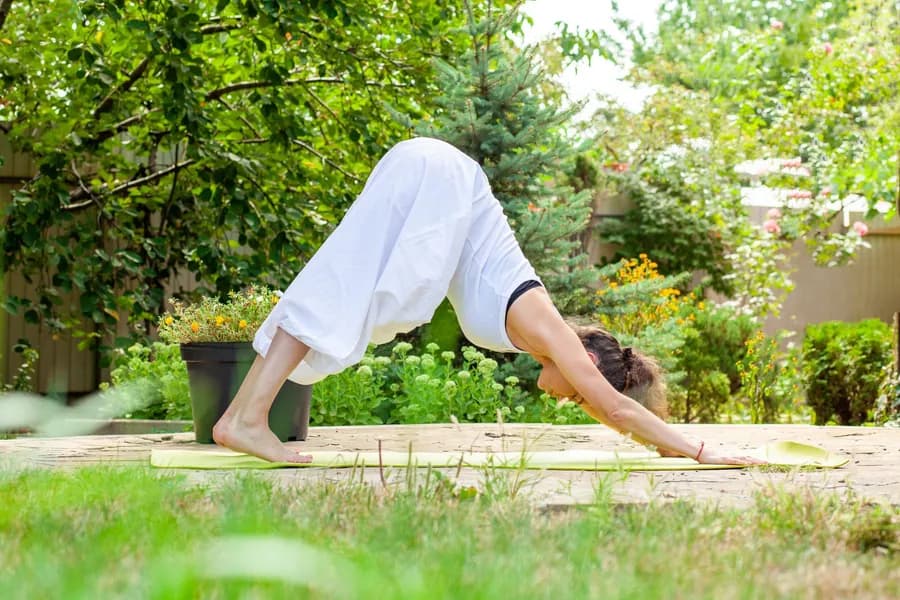
Beginner Yoga for Flexibility (Daily Flexibility Practice for Beginners): Steps, Benefits & Precautions
Uttanasana, Downward Dog, Janu Sirsasana, and gentle hip openers progressively lengthen tight muscles without requiring prior flexibility. See the steps.
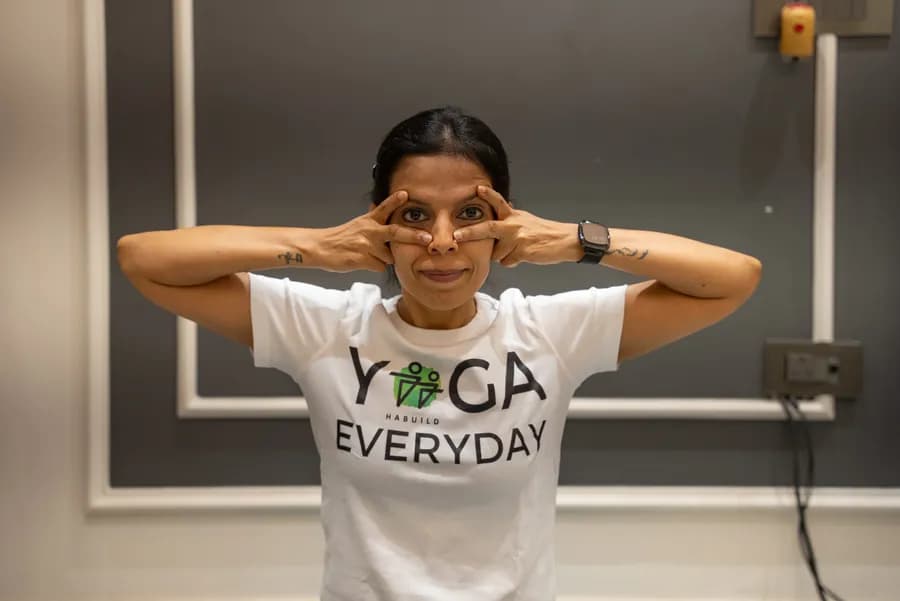
Best Yoga Stretches for Flexibility, Posture and Daily Mobility
The right stretches address the most common areas of stiffness — hamstrings, hips, shoulders, and spine — in just 15-20 minutes daily. See the guide to.