Strength Training vs Yoga
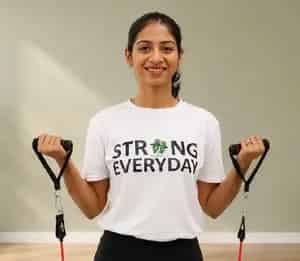
Join live strength training classes from home with beginner-friendly guidance and expert coaching.

Quick Comparison — Strength Training vs Yoga
- Calories Burned: Strength Training — Moderate during session; elevated after (EPOC effect) | Yoga — Lower per session; restorative styles burn least
- Muscle Building: Strength Training — Highly effective; direct hypertrophic stimulus | Yoga — Builds functional tone; limited hypertrophy
- Strength Gain: Strength Training — Directly improves maximal force output | Yoga — Improves relative strength and body-weight control
- Fat Loss: Strength Training — Strong effect via metabolic elevation and lean mass | Yoga — Supports fat management mainly through stress reduction
- Bone Density: Strength Training — Superior; weight-bearing loads stimulate bone remodeling | Yoga — Mild benefit through body-weight loading
- Metabolism Boost: Strength Training — Measurably raises resting metabolic rate | Yoga — Modest metabolic effect
- Beginner Friendly: Strength Training — Yes, especially with live guided instruction | Yoga — Yes; low barrier to entry
- Equipment Needed: Strength Training — Bodyweight, bands, or free weights | Yoga — Mat only
- Injury Risk: Strength Training — Low with proper form and sensible progression | Yoga — Low when range of motion is not forced
- Long-Term Sustainability: Strength Training — High; daily habit structure improves adherence | Yoga — High; accessible and gentle enough for daily practice
What Is Yoga?
Yoga is an ancient practice originating in India that integrates physical postures (asanas), breath control (pranayama), and meditative awareness into a single session. In fitness terms, yoga primarily develops flexibility, joint mobility, balance, core stability, and mental focus. Modern yoga comes in many forms — from vigorous Power Yoga that challenges cardiovascular endurance, to slower Hatha styles focused on alignment and breath. The unifying thread is mindful, controlled movement rather than progressive overload. Yoga is genuinely powerful for supporting stress management, aiding recovery between harder training days, improving posture, and building a mind-body connection that makes all other physical training more effective. It is not, however, the primary tool for building maximum muscle mass or raw strength output — and that distinction matters when choosing the right method for your goal.
Strength Training vs Yoga for Weight Loss and Fat Management
How Effective Is Each for Weight Management Both methods can support weight management, but through different mechanisms. Strength training builds lean muscle tissue, which raises your resting metabolic rate — meaning you burn more energy even at rest. Yoga, particularly vigorous styles, burns calories during the session and may help manage cortisol, a stress hormone strongly linked to fat accumulation around the abdomen. Training Impact and Body Response Strength training creates micro-damage to muscle fibers that repair and grow stronger — this process is metabolically expensive and contributes to the post-exercise calorie burn known as EPOC. Yoga sessions, even intense ones, generally do not create the same degree of muscular stress, so the post-session metabolic effect is smaller. That said, yoga's positive impact on stress and sleep quality can indirectly support fat management. A regular yoga practice may gradually ease the cortisol response when practiced consistently over weeks and months. Speed of Results and Sustainability Strength training tends to produce visible body composition changes — reduced body fat percentage, more defined muscle — within 8 to 12 weeks of consistent practice. Yoga's changes are often felt first as improved energy, better posture, and reduced bloating rather than rapid body-composition shifts. For sustainable, long-term weight management, a structured approach to strength training for fat loss has a stronger evidence base than yoga as a standalone strategy. Best Choice for Weight Management If fat loss and body composition improvement are your primary goals, strength training has a clear edge. Adding yoga as a complementary practice — on rest days or as a morning mobility routine — gives you the metabolic benefit of lifting plus the recovery and stress-management advantage of yoga.
Strength Training vs Yoga for Muscle Building and Functional Strength
How Effective Is Each for Building Strength Strength training works through the principle of progressive overload — you systematically increase the challenge on your muscles over time, forcing adaptation. This is the gold standard for building muscle size and maximal strength. Yoga builds functional strength — the ability to support your own bodyweight through a wide range of movement patterns — but does not deliver the same hypertrophic stimulus. Training Impact and Body Response Compound movements — squats, deadlifts, pressing and rowing patterns — recruit large muscle groups simultaneously and trigger hormonal responses that accelerate muscle building. Yoga poses like the Warrior series and arm balances do build real muscular endurance and body-weight control, but the loading is fixed by your own bodyweight and cannot progressively increase the way band or barbell training can. Speed of Results and Sustainability Measurable strength gains from resistance training typically appear within 3 to 4 weeks — first through neural adaptations, then through actual muscle growth. Yoga-based strength improvements develop more gradually and show up as improved stability, balance, and ease of daily movement. Best Choice for Building Muscle For anyone whose primary goal is to build lean muscle, strength training is the more effective choice. Yoga complements it by improving the joint mobility and movement quality that allows you to perform strength exercises through a full range of motion — reducing injury risk and improving muscle activation in every session.
When Strength Training May Be the Better Long-Term Choice Than Yoga
Yoga is genuinely valuable — but there are specific long-term health outcomes where strength training has a stronger case:
- Muscle preservation with age: Adults naturally lose 3–8% of muscle mass per decade after 30. Strength training directly counters this sarcopenia risk in a way yoga cannot match.
- Bone density: Weight-bearing resistance training stimulates bone remodeling and helps manage age-related bone density loss — particularly important for women approaching and post-menopause.
- Metabolic health: Lean muscle mass is the body's most metabolically active tissue. Building and maintaining it supports healthy blood sugar regulation, insulin sensitivity, and resting energy expenditure over decades.
- Injury resilience: Strengthening the muscles around joints — knees, hips, shoulders, spine — reduces overuse injury risk in everyday life and in other sports.
- Anti-aging benefits: Research consistently links resistance training to healthier aging markers — better balance, faster reaction time, stronger grip, reduced fall risk — more strongly than yoga alone, though yoga contributes meaningfully to balance and flexibility.
This is not a dismissal of yoga — it is a recognition that for the long game of lifelong physical health, strength training fills gaps that yoga cannot fully cover. Understanding
why strength training is important
for long-term health helps clarify exactly why it deserves a central place in any fitness plan. Habuild's Strong Everyday programme is designed around exactly this principle — daily live sessions that make building that strength habit far easier than going it alone.
Best Strength Training Approaches That Compete with Yoga

If you have been drawn to yoga because it feels accessible, mindful, or easy to do at home without equipment, these strength training styles offer many of the same entry-point benefits — with the added stimulus for muscle and strength development:
- Controlled Tempo Training: Slowing down each repetition (3 seconds down, 2 seconds up) mimics yoga's deliberate, mindful quality while creating significant muscular tension. It is joint-friendly and highly effective for beginners.
- Mobility-Focused Strength Work: Training through a full range of motion — deep squats, Romanian deadlifts, overhead pressing — improves flexibility alongside strength, bridging the gap between yoga's mobility benefits and resistance training's muscle-building stimulus.
- Full Range of Motion Lifts: Exercises like goblet squats, Bulgarian split squats, and single-leg deadlifts demand hip and ankle mobility while loading muscles progressively — a natural intersection of what yoga and strength training each offer.
For a structured look at how these approaches fit into a weekly routine, explore
how strength training differs from other exercise modalities
and where it sits best in your weekly plan.
How Habuild Strong Everyday Classes Compare to Yoga
Build Muscle and Burn Fat Together Habuild's Strong Everyday sessions are programmed to develop both muscular strength and metabolic conditioning within the same session. Unlike a typical yoga class — which may improve flexibility and calm the mind but offers limited muscle-building stimulus — Strong Everyday sessions apply progressive overload principles that produce measurable changes in body composition over time. Guided Live Format vs Solo Training One of yoga's most underrated advantages is the community and instruction it provides in a class setting. Habuild replicates this entirely in its live format. Every Strong Everyday session is taught live by a certified expert, so you receive real-time form correction, motivation, and the accountability that solo home workouts consistently lack — something fundamentally different from following a recorded video or a PDF plan. Progressive Overload with Expert Guidance In yoga, progression happens through deeper postures or more advanced sequences — but it is rarely structured to systematically increase muscular demand week over week. Habuild's Strong Everyday programme is built around progressive overload: each week is designed to incrementally challenge your muscles further, ensuring continued adaptation rather than plateauing. Daily Structured Practice for Habit Building Yoga's greatest practical gift is that it is easy to do daily — the sessions are approachable, the barrier to entry is low, and the regularity builds a powerful habit. Habuild deliberately designs Strong Everyday with the same philosophy. Sessions are structured to be done every day, with a live class waiting for you at 6 AM, 7 AM, 6 PM, or 8 PM IST. The consistency gap — not the programme gap — is what separates people who transform their bodies from those who do not. Works for All Fitness Levels Just as yoga offers modifications for beginners and progressions for advanced practitioners, Strong Everyday sessions are designed to meet you where you are. Whether you have never done a structured workout or are returning after years away, the live instructor guides you through modifications so every session is effective and safe — regardless of starting point.
Flexible Batch Timing
Choose morning or evening classes and join the slot that suits your day.
Morning
6:30 AM
7:30 AM
8:30 AM

Evening
5:00 PM
6:00 PM
7:00 PM
8:00 PM

Meet Your Strength Training Trainer

Trishala Bothra
COO & Co-Founder, Habuild
Practice Strong Everyday with Trishala Bothra, an IIT-B and London School of Business alumni Trishala is focused on making movement feel lighter, more engaging, and something you actually look forward to. In just 3 years, over 50,000 people began their strength journey, and 10,000+ join every week to keep getting stronger.
Choose Your Membership Plan
Continue after the trial with membership options designed for long-term consistency support.
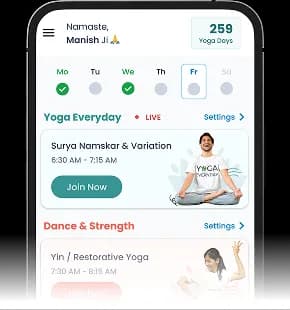
Continue your habit on the Habuild app
Use the Habuild app for reminders, live access, progress support, and habit tracking.