Exercise and Acid Reflux: Movement, Precautions and Everyday Habits
An informational guide to exercise and acid reflux, including movement choices, meal timing and precautions. For a regular movement habit, explore Habuild’s live yoga, strength training and face yoga classes.


Key Takeaways
- Combines digestive health exercises with yoga sequences
- Explains exercise considerations for people who experience acid reflux.
- Highlights individual comfort, everyday habits and when to seek advice.
- Includes general information about movement and reflux precautions.
- Explains why exercise does not replace appropriate reflux care.
What Are Acid Reflux Exercises?
Acid reflux exercises reduce the gastric acid backflow into the oesophagus through improving lower oesophageal sphincter (LES) tone, reducing intra-abdominal pressure that forces acid upward, and activating the parasympathetic ‘rest-and-digest’ mode that optimises digestive function.
Not all exercise helps acid reflux — vigorous high-intensity exercise and exercises that compress the abdomen or increase intra-abdominal pressure can worsen reflux.
The mechanism involves sphincter and pressure management: yoga poses that maintain upright or slightly reclined posture after meals support LES closure; Kapalbhati’s abdominal activation improves the diaphragmatic support of the LES; and yoga’s parasympathetic activation restores the digestive enzyme secretion and gastric motility that prevent excessive acid production and retention.
Benefits
Benefit: Reduces Acid Reflux Frequency and Severity
Consistent yoga and digestive exercises reduce acid reflux through improved LES tone, better gastric motility, and the parasympathetic activation that reduces excess acid production. There is no fixed timeline for symptom improvement, and exercise should not be presented as a guaranteed reflux treatment.
Benefit: Reduces Dependence on Antacids
Exercise is not a reason to reduce or stop reflux medicines. Discuss any treatment changes with your doctor.
Benefit: Improves Overall Digestive Function
The digestive exercises for acid reflux also improve overall gut function — reducing bloating, improving gastric emptying, and supporting the gut microbiome through better digestive motility.
What to Eat to Support Your Acid Reflux Exercises — Nutrition Pairing
Protein — The Foundation of Acid Reflux Exercises Training
Aim for 1.6–2.0g of protein per kg of bodyweight per day. Best sources include eggs, paneer, lentils (dal), chicken, Greek yoghurt, and whey protein. Distribute protein evenly across 3–4 meals rather than loading it all in one sitting. Adequate protein is non-negotiable — without it, training effort produces minimal adaptation regardless of programme quality.
Carbohydrates — Fuel for Acid Reflux Exercises Performance
Complex carbohydrates (oats, brown rice, sweet potato, whole wheat roti) should form 40–50% of total calories. Consume a carbohydrate-containing meal 60–90 minutes before your acid reflux exercises session to ensure glycogen availability. Post-session carbohydrates restore muscle glycogen within the critical 30-minute recovery window.
Anti-Inflammatory Foods for Recovery
Include turmeric (with black pepper for bioavailability), ginger, and omega-3 rich foods (flaxseeds, walnuts, fatty fish) daily. These directly reduce the systemic inflammation that accumulates with consistent training, speeding recovery between sessions.
Hydration — Often Underestimated
Aim for 35–40ml of water per kg of bodyweight daily. Add an additional 500ml for every 30 minutes of active training. Even mild dehydration (2% body weight) measurably reduces strength output and exercise capacity.
How to Get Started with Acid Reflux Exercises
Before You Begin — Setting Your Baseline
Before beginning, assess your current fitness level honestly. Can you complete 10 bodyweight squats with good form? Can you hold a plank for 20 seconds? These fitness tests are not requirements for managing acid reflux. Choose activity according to your ability, comfort and medical advice.. Set a specific, measurable goal — not just ‘get stronger’ but ‘complete all sessions consistently for 8 weeks’. Identify what space and equipment you have available.
Week 1–2: Foundation and Form
Focus entirely on movement quality, not load or intensity. Every exercise should be performed through full range of motion with controlled tempo. Use this phase to build the motor patterns that make acid reflux exercises training safe and effective long-term. 3 sessions per week is the optimal starting frequency — enough stimulus for adaptation, enough recovery to avoid overuse.
Week 3–4: Building Progressive Load
Once form is consistent, introduce progressive overload by adding 1–2 reps per set or a small increase in resistance each week. Track your sessions in a simple log — date, exercises, sets, reps. This data tells you exactly when to progress and prevents both undertraining and overtraining.
Ongoing: Consistency Over Intensity
A regular movement habit can support general fitness, but reflux symptoms require individual attention rather than a fixed exercise timeline. Missing one session is inconsequential; missing two consecutive weeks disrupts adaptation. Habuild’s live daily sessions are specifically designed to remove the decision-making barrier — the session is always there, always structured.
Best Exercises (Step-by-Step)
Exercise 1: Vajrasana — Post-Meal Acid Reduction — Hold 10–15 mins after meals
Vajrasana (diamond pose — sitting on the heels) is the only yoga pose appropriate immediately after meals and the most effective acid reflux exercise. The seated position with knees compressed prevents the reclined posture that triggers reflux. Hold: 10–15 minutes after each main meal. Modification: Sit on a cushion between the feet if kneeling is uncomfortable.
Exercise 2: Kapalbhati — Digestive Activation — 15 mins, empty stomach only
Kapalbhati strengthens the diaphragm that supports the LES — improving the physical barrier that prevents acid reflux. IMPORTANT: Practise only on an empty stomach (minimum 2 hours after eating). Never perform after meals. Duration: 15 minutes. Modification: Begin with 5 minutes.
Exercise 3: Left-Side Lying Rest — Anatomical Reflux Prevention — 10–15 mins
Lying on the left side places the stomach below the oesophagus anatomically — using gravity to prevent acid reaching the LES. 10–15 minutes of left-side lying after meals reduces reflux episodes. This is an anatomical exercise requiring no effort.
Common Mistakes to Avoid
Exercising immediately after meals
Any vigorous exercise within 2–3 hours of eating significantly worsens acid reflux — the physical activity increases intra-abdominal pressure that forces acid into the oesophagus.
Always wait 2–3 hours.
Inversions with active reflux
Any inversion (Sarvangasana, Sirsasana, or even forward folds) during active reflux symptoms allows acid to pool at the LES — worsening oesophageal exposure.
Avoid all inversions within 3 hours of meals.
Substituting exercise for dietary management
Exercise improves acid reflux but cannot overcome major dietary triggers (coffee, alcohol, spicy food, large meals).
Combine exercise with dietary management for the most effective reflux control.
Who Is Acid Reflux Exercises Best For?
Complete Beginners Starting from Zero
No prior experience with acid reflux exercises is required to start. Every movement is taught from its most foundational form, with modifications for those who cannot yet perform the standard version. Habuild offers instructor-led group classes. The information here does not include individual form assessments or personalised exercise advice.
Intermediate Trainees Who Have Hit a Plateau
If you have been exercising inconsistently or without structured progressive overload, acid reflux exercises delivers the systematic load progression that general fitness classes do not. This guide provides general information and does not assess individual weaknesses, prescribe a training plan or promise specific results.
Desk Workers and Sedentary Professionals — People who sit for long periods may find gentle movement information useful. Choose activities according to comfort, symptoms and advice from a healthcare professional.
Build a Regular Movement Habit with Habuild
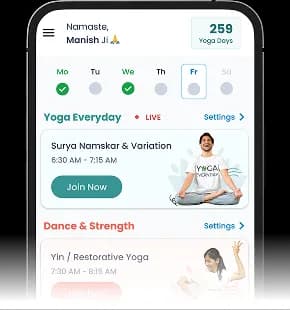
Habuild offers live yoga, strength training and face yoga classes that help members build a regular movement habit. The exercise information in this article is educational. If you experience acid reflux, seek individual advice about suitable activities and symptom management.
Accountability, Streaks and Community
Daily habit formation is built into the Habuild structure: streak tracking, WhatsApp community support, and the accountability of live sessions that members show up for. Consistency is what produces lasting results — and Habuild is built to create it.
Disclaimer: This page is for general information and does not replace medical advice or personalised exercise guidance. The exercises and approaches described may differ from those included in Habuild’s live yoga, strength training and face yoga classes. Discuss reflux symptoms and treatment with a healthcare professional.
Flexible Batch Timing
Choose morning or evening classes and join the slot that suits your day.
Morning
6:30 AM
7:30 AM
8:30 AM

Evening
5:00 PM
6:00 PM
7:00 PM
8:00 PM


Choose Your Membership Plan
Continue after the trial with membership options designed for long-term consistency support.
Continue your habit on the Habuild app
Use the Habuild app for reminders, live access, progress support, and habit tracking.