Brisk Walking: The Daily Routine That Actually Transforms Cardiovascular Health
A brisk walking routine that transforms cardiovascular health at a heart-rate-elevating, science-backed pace.
Key Takeaways
- Elevates heart rate to 50-70% of maximum
- Simple test: can talk but cannot sing comfortably
- Typical pace is 5-6 km/h on flat terrain
- Guided by senior instructor Saurabh Bothra's live sessions
- Produces adaptation slow walking does not
What Is Brisk Walking?
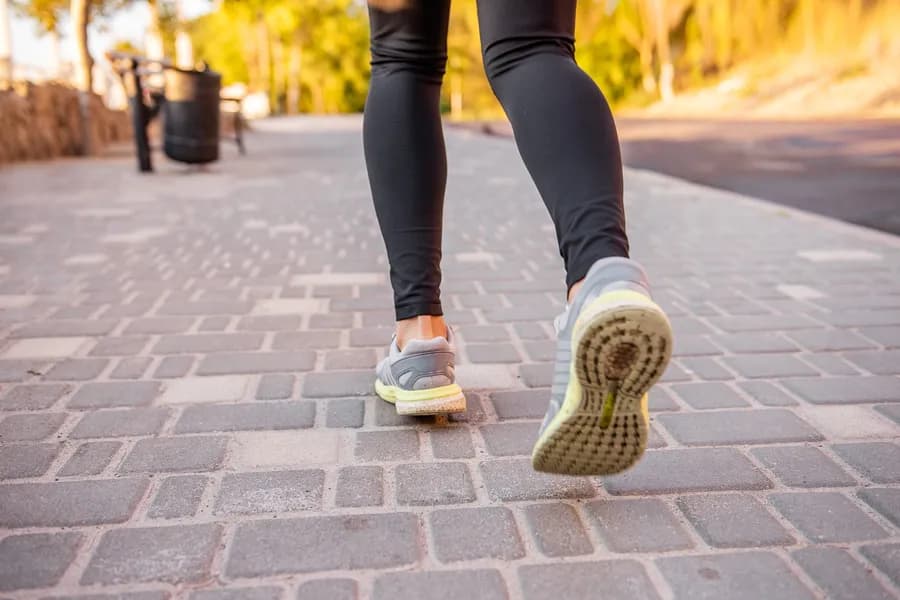
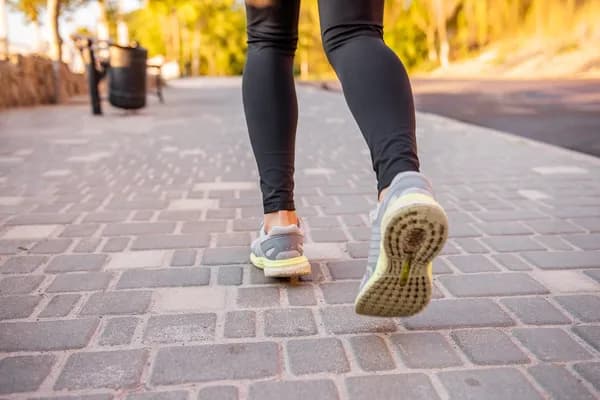
Brisk walking is not casual strolling, and it is not running — it is a specific intensity of walking that elevates heart rate to 50–70% of maximum, requires moderate breathing effort, and produces measurable cardiovascular adaptation that slow walking does not. The brisk walking meaning becomes clear with one simple test: at brisk pace, you can hold a conversation but not sing — what exercise scientists call “moderate intensity.” Most casual walking content treats all walking as equivalent, missing that pace and intensity are precisely what determines whether walking produces cardiovascular benefit, fat loss, and longevity outcomes — or just functions as gentle movement with minimal physiological adaptation. The right brisk walking practice combines sustained moderate intensity, consistent daily frequency, and gradual progression that produces the cardiovascular and metabolic outcomes the research consistently confirms.
The mechanism is more powerful than most people realise. Brisk walking activates the same physiological adaptations as more intense cardio — increased heart muscle strength, improved stroke volume, lower resting heart rate, better insulin sensitivity, and enhanced fat oxidation — but with dramatically lower injury risk and far higher long-term sustainability. The longevity-walking relationship was systematically validated by Lee et al. in their 2019 study in JAMA Internal Medicine, “Association of Step Volume and Intensity With All-Cause Mortality in Older Women,” which tracked 16,741 women and confirmed that step counts as low as 4,400 per day reduced all-cause mortality by 41% compared to sedentary baseline, with step intensity (briskness) providing additional independent benefit beyond volume alone. Walking also stimulates BDNF (brain-derived neurotrophic factor), supports bone density through gentle impact loading, and triggers the parasympathetic regulation that reduces stress and supports sleep — all benefits that compound across years of consistent practice.
Benefits of Brisk Walking
Benefit 1: Better Cardiovascular Health and Lower All-Cause Mortality
The most direct benefit — and the most rigorously documented in longevity research. Daily brisk walking lowers resting heart rate, improves heart muscle strength, reduces blood pressure, and decreases the risk of stroke and cardiovascular disease — all benefits that compound across years of consistent practice. Stat: The 2019 JAMA Internal Medicine study by Lee et al. tracking 16,741 older women confirmed that walking 4,400+ steps per day reduces all-cause mortality risk by 41% compared to sedentary baseline, with brisk pace providing additional independent benefit beyond step volume alone.
Benefit 2: Sustained Fat Loss Without Joint Damage
The body composition benefit. Brisk walking burns 200–400 calories per hour depending on body weight and pace — significant enough to drive fat loss when combined with proper nutrition, but gentle enough that it can be sustained daily for years without the overuse injuries that derail running programmes. Members building muscle alongside fat loss often pair their walking practice with our programme to combine cardiovascular benefit with the lean mass building that drives long-term body composition change.
Benefit 3: Improved Insulin Sensitivity and Metabolic Health
The physiological adaptation benefit. Daily brisk walking improves insulin sensitivity within 1–2 weeks of consistent practice, reduces fasting blood glucose, and supports the metabolic flexibility that protects against type 2 diabetes and metabolic syndrome. Stat: A 2016 meta-analysis in Diabetologia by Qiu et al. analysing 8 randomised controlled trials confirmed that walking interventions of 150 minutes per week produce a 0.5–0.8 percentage point reduction in HbA1c — a magnitude clinically comparable to single-agent diabetes medications.
Benefit 4: Better Mood, Sharper Brain, and Stronger Stamina
The secondary benefit. Brisk walking elevates BDNF (a neuroplasticity protein), reduces cortisol, increases serotonin and dopamine, and supports the cognitive function that prolonged sitting erodes. The mood and energy benefits typically appear within the first 2 weeks of daily practice — well before the cardiovascular adaptations become measurable. Members building broader endurance alongside daily walking often pair their training with our programme for the comprehensive aerobic-anaerobic capacity that supports active lifestyles.
Best Brisk Walking Exercises and Progressions
Exercise 1: Standard Brisk Walk — Cardiovascular System + Lower Body — 30 mins, 5×/week
What it does and why it suits this goal: The standard brisk walk is the foundational practice — sustained moderate-intensity walking at a pace of approximately 5–6 km/h on flat terrain, with upright posture, swinging arms, and purposeful stride. This is the exercise that delivers the cardiovascular and metabolic benefits the research describes. Duration: 30 minutes, 5 times per week. Modification: Begin with 15 minutes of moderate-pace walking and build duration over 2–3 weeks. The conversation test — able to talk but not sing — is the simplest way to confirm correct intensity.
Exercise 2: Incline Walking — Increased Calorie Burn + Lower Body Strength — 20–30 mins, 3×/week
What it does and why it suits this goal: Adding incline (hills, ramps, or treadmill incline of 5–10%) significantly increases calorie burn and lower-body muscle activation without requiring faster pace. Incline walking is one of the most efficient progressions for those who have outgrown flat walking but want to avoid running. Duration: 20–30 minutes, 3 times per week. Modification: Start with gentle 2–3% incline and build steepness over 4–6 weeks. Walking on natural terrain (hills, trails) provides the additional benefit of varied surfaces that engage stabiliser muscles.
Exercise 3: Interval Walking — Brisk-Slow-Brisk Pattern — 30 mins, 2–3×/week
What it does and why it suits this goal: Interval walking alternates 3 minutes of brisk pace with 3 minutes of slower recovery pace across the session — producing significantly greater cardiovascular adaptation than steady-state walking alone, while remaining far more sustainable than running intervals. Sets and structure: 5 brisk-recovery cycles totalling 30 minutes, performed 2–3 times per week. Modification: Begin with 1-minute brisk intervals and 2-minute recovery, building intensity gradually over 4–6 weeks.
Common Mistakes to Avoid When Training Brisk Walking
Mistake 1: Walking Too Slowly to Reach Brisk Intensity — Correction: Use the Conversation Test
What it is and why it undermines results: Many people believe they are brisk walking when they are actually casually strolling — heart rate stays low, breathing barely elevates, and the cardiovascular adaptations the research describes simply do not occur. Casual walking has its own benefits, but it is not brisk walking. What to do instead: Use the conversation test — at brisk pace you should be able to talk in short sentences but not sing or hold long conversations comfortably. If walking feels effortless, increase pace until breathing becomes moderately laboured.
Mistake 2: Walking Inconsistently and Expecting Results — Correction: Daily Practice Beats Long Weekly Sessions
What it is and why it undermines results: Walking 90 minutes once on weekends produces significantly less cardiovascular benefit than walking 30 minutes daily across the week. The body adapts to consistent stimulus, not occasional effort. Many people build elaborate weekend hiking plans while skipping the daily 30-minute walks that would actually transform their cardiovascular health. What to do instead: Prioritise daily consistency over occasional long sessions. Members building broader cardiovascular and habit foundation often pair their walking practice with our programme for the daily-practice habit structure that compounds cardiovascular benefit across months.
Mistake 3: Ignoring Strength Training Alongside Walking — Correction: Add 2 Strength Sessions Per Week
What it is and why it undermines results: Brisk walking is excellent for cardiovascular and metabolic health, but it does little to build or preserve the lean muscle mass that maintains metabolism, bone density, and functional strength as you age. Walking-only programmes plateau after 6–12 months and leave practitioners progressively weaker even as cardiovascular fitness improves. What to do instead: Combine 5 brisk walking sessions per week with 2 strength training sessions for complete fitness. The combination produces vastly better long-term outcomes than either alone — better fat loss, better metabolic health, and the muscle preservation walking alone cannot deliver.
Ready to start? Here’s how Habuild structures brisk walking training every day:
How Habuild Trains You to Master Brisk Walking
Walking-Specific Programming — Not a Generic Fitness Class
Every exercise selection, sequencing decision, and rest period in Strong Everyday is chosen for cardiovascular and metabolic benefit. Sessions complement daily brisk walking with strength training that preserves the lean mass walking alone cannot build, mobility work that protects joints during high-volume walking weeks, and metabolic conditioning that amplifies the calorie-burn benefits of consistent aerobic practice. This sequencing addresses the muscle-loss limitation that pure walking programmes inevitably hit.
Live Daily Sessions with Real-Time Form Correction
The live format catches the specific errors that prevent walking benefit — slow casual pace mistaken for brisk, slumped posture that limits breathing capacity, and walking-only patterns that ignore the strength work walking practitioners need most. Real-time guidance is something pre-recorded content cannot deliver, and these are the exact gaps that limit walking-only practitioners.
Progressive Overload Built into Every Session
Members do not need to programme their own progression. Each week, intensity, duration, complementary strength volume, and movement complexity are adjusted so the cardiovascular system and the muscular system both keep adapting — preventing the plateau that derails most walking-only routines after 6–12 months. The same habit-building structure that drives our daily live programming ensures consistent attendance over the months meaningful cardiovascular adaptation actually requires.
Accountability, Streaks and Community
Who Is Brisk Walking Best For?
Complete Beginners Starting from Zero
Brisk walking requires no equipment, no skill, and no fitness base. The starting pace is simply faster than usual walking — even 15 minutes at a moderate pace produces immediate cardiovascular benefit for deconditioned adults. The only requirement is showing up consistently — strength and technique follow from that.
Intermediate Trainees Looking to Fill a Gap
Brisk walking is the most sustainable cardiovascular exercise for the largest possible population — it delivers measurable cardiovascular, metabolic, and mental health benefits without the impact, injury risk, or fitness prerequisite of running or gym-based exercise. Adding brisk walking to an existing routine addresses a specific conditioning gap that most general workouts miss.
Complete Beginners, Seniors, Those with Joint Issues, and Anyone Building an Exercise Habit
Brisk walking is the most sustainable cardiovascular exercise for the largest possible population — it delivers measurable cardiovascular, metabolic, and mental health benefits without the impact, injury risk, or fitness prerequisite of running or gym-based exercise.
Senior Citizens and Older Adults (50+)
Brisk Walking can be adapted for older adults by controlling tempo, reducing range of motion, and using supported variations. Habuild’s live instructors modify exercises in real time for different fitness levels and physical conditions in the same session.
Is Brisk Walking Good for Beginners?
Yes — absolutely. Brisk Walking begin at very low intensity with fully accessible entry-level variations. Habuild’s live instructor adapts the session in real time so beginners and experienced trainees can train together without either being left behind.
How to Add Brisk Walking to Your Training Routine
How Often to Do Brisk Walking — Frequency Guide
Train brisk walking daily, or minimum 5 days per week. This frequency gives the muscle and nervous system adequate stimulus without outpacing recovery. Consistency matters more than intensity in the early weeks — showing up regularly produces better results than infrequent all-out sessions.
When in Your Workout to Do Brisk Walking
Place brisk walking morning before breakfast for maximum fat utilisation, or any time of day consistently — consistency outweighs timing for most health outcomes. Sequencing exercises correctly ensures you bring maximum quality to brisk walking rather than performing them under accumulated fatigue from earlier work.
What to Pair Brisk Walking With
Combine brisk walking with light stretching, calf raises, and deep breathing for a complete low-intensity active recovery session. This combination develops complementary muscle groups in the same session and builds the balanced strength that prevents compensation and injury.
How to Progress Brisk Walking Over Time
Once the base movement feels controlled and repeatable, increase pace toward power walking, add inclines (stairs, hills), extend duration progressively from 15 to 45 minutes, then introduce walk-to-jog intervals. Progress only when form is consistent — adding difficulty before mastering the base movement reinforces poor mechanics and stalls long-term results.
How Habuild Teaches Brisk Walking
Habuild is India’s First Habit Building Program — and through its strength and fitness sessions, it brings the same habit-based philosophy to targeted exercise training. Every session is structured around your specific goal, not a one-size-fits-all class.
Goal-Specific Programming — Not a Generic Fitness Class
Every exercise, rep range, and rest period in Habuild’s brisk walking sessions is chosen because it produces results for brisk walking specifically. Habuild does not run the same session for every goal — the programme is structured to drive your specific outcome with every session, not general fitness that happens to include brisk walking.
Live Daily Sessions with Real-Time Form Correction
Unlike pre-recorded videos, Habuild’s live daily sessions allow the instructor to see and correct your form in real time — the specific errors that limit brisk walking results and increase injury risk. This live correction is the difference between training that works and training that wastes effort and creates bad habits.
Progressive Overload Built into Every Session
Members do not need to design their own progressive overload for brisk walking — it is built into the programme structure. Each week, sessions are deliberately more challenging than the last, ensuring the body never fully adapts and results continue coming rather than stalling.
Accountability, Streaks, and Community
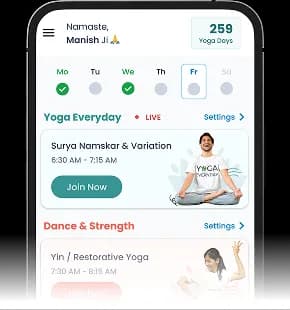
The most common reason people stop exercising is not effort — it is missing sessions until the habit breaks. Habuild’s streak system, live session accountability, and community of members training the same goal alongside you resolves this directly. Members who join with a specific goal like brisk walking and stay consistent for 30 days almost universally report that showing up has become automatic.
Flexible Batch Timing
Choose morning or evening classes and join the slot that suits your day.
Morning
6:30 AM
7:30 AM
8:30 AM

Evening
5:00 PM
6:00 PM
7:00 PM
8:00 PM


Choose Your Membership Plan
Continue after the trial with membership options designed for long-term consistency support.
Continue your habit on the Habuild app
Use the Habuild app for reminders, live access, progress support, and habit tracking.