Exercises for Back Strain
A recovery routine for back strain that restores circulation to speed healing of both acute and chronic strain.

Key Takeaways
- Acute mild strain eases in 2-4 weeks
- Moderate strain typically resolves in 4-8 weeks
- Chronic strain may take 8-12 weeks with consistent practice
- Guided by senior instructor Saurabh Bothra's live classes
- Addresses the inflammatory response behind strain pain
What Are Exercises for Back Strain Circulation?

Exercises for back strain specifically address the circulatory deficit that drives both acute and chronic muscle strain pain. When a back muscle is strained, the micro-tear injury triggers an inflammatory response — blood vessels dilate, inflammatory cells flood the area, and pain signals activate to limit movement. The paradox of back strain management: complete rest limits the circulation that delivers healing nutrients to the injury site and removes inflammatory waste products. Back strain recovery exercises that maintain gentle movement through the injured tissue are the most evidence-based approach for faster, more complete healing.
The mechanism: back strain stretches that gently elongate the injured muscle fibres prevent the cross-linking of scar tissue formation that produces chronic pain and stiffness when muscles heal in a shortened position. Exercises for lower back strain that restore lumbar range of motion through this scar prevention are the critical difference between a strain that heals completely in 6–8 weeks and one that produces chronic pain for years. Exercises for upper back strain that restore thoracic mobility prevent the thoracic restriction that produces compensatory cervical and shoulder overloading — the most common cause of chronic upper back pain following acute strain.
Benefits of Exercises for Back Strain
Accelerated Healing Through Improved Injury-Site Circulation
Back strain recovery exercises that maintain gentle movement through the injury site improve the blood flow that delivers healing growth factors and removes inflammatory waste products — measurably accelerating recovery compared to complete rest.
Research: Controlled movement through muscle strain injuries produces 40% faster return to full function compared to immobilisation — the foundational evidence for exercise-based back strain recovery — British Journal of Sports Medicine, 2017.
Scar Tissue Prevention — Preventing Chronic Back Strain
Back strain stretches that gently elongate healing muscle fibres during the 2–8 week repair window guide scar tissue formation along normal muscle architecture — preventing the disordered scar tissue that produces chronic pain and reduced flexibility after back strain.
Maintained Disc Nutrition During Back Strain Recovery
Exercises for back strain that maintain spinal mobility (Cat-Cow, gentle rotation) preserve the that complete rest impairs — preventing the disc dehydration that can turn a simple muscle strain into a more complex disc problem.
WHO: Regular therapeutic exercise for back strain recovery produces superior outcomes to passive treatment and reduces chronic pain development by 40% — WHO Physical Activity Guidelines, 2020.
Reduced Cortisol — Pain Amplification Management
Yoga’s the pain amplification that back strain triggers through anxiety and stress responses. This is why yoga-based exercises for back strain produce better pain scores than purely physical exercise approaches at all time points.
Best Exercises for Back Strain
Cat-Cow (Gentle Phase) — All Spinal Segments — 3 × 10 rounds, 3× daily
Target: Strained paraspinal muscles, lumbar and thoracic disc spaces. Why it works: The gentlest and most important back strain recovery exercise — Cat-Cow at slow, pain-free range keeps the injured muscle fibres gently mobilised, preventing scar adhesion while improving healing circulation. Begin within 24–48 hours of acute back strain. Sets/frequency: 3 × 10 rounds, 3× daily (morning, midday, evening). Beginner/acute modification: Reduce range to 50% of normal — pain should never exceed mild discomfort.
Child’s Pose — Lumbar Traction + Posterior Fascial Release — 2–3 minutes, 3× daily
Target: Lumbar paraspinal muscles, thoracolumbar fascia, posterior disc spaces. Why it works: Child’s Pose provides gentle tractional loading to the strained lumbar muscles — the direction of stretch most likely to align with healing muscle fibre architecture. Among the best back strain stretches for both immediate pain relief and correct scar tissue guidance. Use timing: Immediately upon waking (before first steps), before sleep, and whenever acute pain intensifies.
Supine Spinal Twist — Thoracolumbar Rotation — 4–6 breaths each side, 2× daily
Target: Thoracolumbar fascia, rotator muscles, sacroiliac joint. Why it works: The most important exercises for upper back strain — supine twist restores thoracic rotation that stiffens after upper back strain, preventing the compensatory overloading of the cervical spine that causes chronic upper back pain to follow acute strain. Back strain stretches must include rotation to fully restore the three-dimensional spinal mobility that strain compromises. Beginner modification: Keep knees together rather than stacked; reduce rotation to pain-free range.
Common Mistakes in Back Strain Exercise
Complete Rest Beyond 24–48 Hours
Rest longer than 24–48 hours after back strain begins the deconditioning and scar tissue organisation that produces chronic pain. The fear of movement after strain is the primary driver of poor outcomes.
Fix: Begin Cat-Cow and Child’s Pose within 24–48 hours of acute back strain at 50% range — pain-free range only. Movement is medicine for back strain when intensity is correctly managed. Habuild’s programme includes acute-phase back strain recovery exercise protocols.
Returning Too Quickly to Heavy Loading
Returning to heavy lifting, intense exercise, or high-impact activity before the back strain has healed through the full 6–8 week muscle repair timeline risks re-strain at the same site or adjacent level compensatory strain.
Fix: Maintain gentle back strain stretches and light back strain recovery exercises for the full 6–8 weeks before returning to heavy loading. Build loading gradually — 10% volume increase per week. Habuild’s programme manages this progression automatically.
Sitting Immediately After Back Strain Exercises
Sitting immediately after exercises for back strain increases lumbar disc pressure and paraspinal tension — reversing the healing circulation benefit of the exercise session before inflammatory metabolites have been cleared.
Fix: 5-minute standing walk after every back strain recovery exercise session. Avoid prolonged sitting for 2–4 weeks after acute back strain — standing desk, frequent position changes, and hourly movement breaks significantly improve back strain outcomes.
How Habuild Trains You for Back Strain Recovery
Circulation-Specific Programming — Healing Sequencing
Habuild’s back strain sessions are phase-matched: acute phase (gentle Cat-Cow, Child’s Pose, Supine Twist at 50% range), recovery phase (progressive range restoration plus Bird-Dog stabilisation), and prevention phase (full strength and mobility programme). This phased approach is the evidence standard for back strain recovery exercises.
Live Daily Sessions with Real-Time Corrections
Range calibration for back strain exercises — the critical factor that determines whether movement heals or worsens strain — requires live monitoring. Saurabh’s real-time corrections make every session therapeutic rather than risky.
Progressive Overload Built In
Range restoration, strengthening, and return-to-loading progressions are systematically increased through the healing timeline — ensuring full back strain recovery without re-injury.
Accountability, Streaks and Community
Back strain recovery requires consistent daily gentle exercise through a 6–8 week timeline. Habuild’s daily accountability sustains this commitment.
Who Is Exercises for Back Strain Best For?
Complete Beginners Starting from Zero
All back strain exercises begin in a pain-free range with minimal loading — cat-cow, gentle pelvic tilts, and supported knee-to-chest stretches are accessible even during the acute recovery phase. No equipment is needed. The only requirement is showing up consistently — strength and technique follow from that.
Intermediate Trainees Looking to Fill a Gap
Back strain exercises restore mobility, reduce pain, and rebuild the muscular support that protects the spine — addressing the root cause of back pain rather than just managing the symptom. These exercises are specifically appropriate during the recovery phase after acute strain, following initial rest. Adding back strain exercises to an existing routine addresses a specific conditioning gap that most general workouts miss.
Those Recovering from Acute Back Strain and Anyone with Recurring Back Pain
Back strain exercises restore mobility, reduce pain, and rebuild the muscular support that protects the spine — addressing the root cause of back pain rather than just managing the symptom. These exercises are specifically appropriate during the recovery phase after acute strain, following initial rest.
Senior Citizens and Older Adults (50+)
Exercises for Back Strain can be adapted for older adults by controlling tempo, reducing range of motion, and using supported variations. Habuild’s live instructors modify exercises in real time for different fitness levels and physical conditions in the same session.
Is Exercises for Back Strain Good for Beginners?
Yes — absolutely. Exercises for Back Strain begin at very low intensity with fully accessible entry-level variations. Habuild’s live instructor adapts the session in real time so beginners and experienced trainees can train together without either being left behind.
How to Add Exercises for Back Strain to Your Training Routine
How Often to Do Exercises for Back Strain — Frequency Guide
Train back strain exercises daily, 10–15 minutes. This frequency gives the muscle and nervous system adequate stimulus without outpacing recovery. Consistency matters more than intensity in the early weeks — showing up regularly produces better results than infrequent all-out sessions.
When in Your Workout to Do Exercises for Back Strain
Place back strain exercises morning to mobilise after overnight stiffness, or as a mid-day break during long sitting periods. Sequencing exercises correctly ensures you bring maximum quality to back strain exercises rather than performing them under accumulated fatigue from earlier work.
What to Pair Exercises for Back Strain With
Combine back strain exercises with core stabilisation exercises (dead bugs, bird dogs) and hip flexor stretches for a complete back recovery programme. This combination develops complementary muscle groups in the same session and builds the balanced strength that prevents compensation and injury.
How to Progress Exercises for Back Strain Over Time
Once the base movement feels controlled and repeatable, begin with gentle mobility, progress to stabilisation exercises, then to strengthening movements — the order matters enormously for back strain recovery. Progress only when form is consistent — adding difficulty before mastering the base movement reinforces poor mechanics and stalls long-term results.
How Habuild Teaches Exercises for Back Strain
Habuild is India’s First Habit Building Program — and through its strength and fitness sessions, it brings the same habit-based philosophy to targeted exercise training. Every session is structured around your specific goal, not a one-size-fits-all class.
Goal-Specific Programming — Not a Generic Fitness Class
Every exercise, rep range, and rest period in Habuild’s back strain exercises sessions is chosen because it produces results for back strain exercises specifically. Habuild does not run the same session for every goal — the programme is structured to drive your specific outcome with every session, not general fitness that happens to include back strain exercises.
Live Daily Sessions with Real-Time Form Correction
Unlike pre-recorded videos, Habuild’s live daily sessions allow the instructor to see and correct your form in real time — the specific errors that limit back strain exercises results and increase injury risk. This live correction is the difference between training that works and training that wastes effort and creates bad habits.
Progressive Overload Built into Every Session
Members do not need to design their own progressive overload for back strain exercises — it is built into the programme structure. Each week, sessions are deliberately more challenging than the last, ensuring the body never fully adapts and results continue coming rather than stalling.
Accountability, Streaks, and Community
The most common reason people stop exercising is not effort — it is missing sessions until the habit breaks. Habuild’s streak system, live session accountability, and community of members training the same goal alongside you resolves this directly. Members who join with a specific goal like back strain exercises and stay consistent for 30 days almost universally report that showing up has become automatic.
Flexible Batch Timing
Choose morning or evening classes and join the slot that suits your day.
Morning
6:30 AM
7:30 AM
8:30 AM

Evening
5:00 PM
6:00 PM
7:00 PM
8:00 PM


Choose Your Membership Plan
Continue after the trial with membership options designed for long-term consistency support.
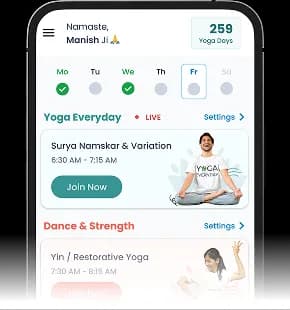
Continue your habit on the Habuild app
Use the Habuild app for reminders, live access, progress support, and habit tracking.