Exercises for Sore Lower Back
A routine of back stretches and strengthening moves that restores blood flow and disc nutrition for sore lower backs.

Key Takeaways
- Immediate relief from stretches within minutes
- Measurable pain reduction over 2-4 weeks
- Full resolution of chronic soreness in 8-12 weeks
- Guided by senior instructor Saurabh Bothra's live classes
- Restores blood flow impaired by disc dehydration
What Are Exercises for Sore Lower Back Circulation?

Exercises for sore lower back are specifically chosen to restore the blood flow and disc nutrition that chronic lower back pain impairs. The problem: sore lower back is almost always driven by a combination of disc dehydration (from insufficient movement), paraspinal muscle tension (restricting local blood flow), and hip flexor tightness (mechanically loading the lumbar facets). Back stretching exercises address all three simultaneously when correctly sequenced. Lower back stretches that include spinal traction (Child’s Pose) restore disc hydration; Cat-Cow mobilisation drives disc fluid exchange; hip flexor stretches reduce the that loads the facets. This three-component approach to how to relieve back pain addresses all circulatory causes simultaneously.
The circulatory mechanism of exercises for sore lower back: intervertebral discs — the primary pain generators in most lower back conditions — have no direct blood supply. They depend entirely on movement-driven osmotic fluid exchange for nutrition and waste product removal. Back strengthening exercises that build the muscles improve this exchange by providing the structural support that allows pain-free movement. Back stretching exercises that release the thoracolumbar fascia reduce the fascial restriction that limits disc movement. Lower back stretches that release the hip flexors reduce the anterior pelvic tilt that compresses the posterior disc — the most common position of disc herniation.
Benefits of Exercises for Sore Lower Back
Disc Nutrition Restoration — Core Mechanism of Back Pain Relief
Daily back stretching exercises and spinal mobilisation restore the disc fluid exchange that sore lower back impairs. This is the circulatory mechanism that makes movement (not rest) the correct treatment for most sore lower back presentations.
Research: Back stretching exercises and strengthening produced 47% better outcomes at 12 months versus passive treatment for chronic lower back pain — including significantly less pain, disability, and medication use — Cochrane Review, 2017.
How to Relieve Back Pain Fast — Immediate Techniques
Lower back stretches that include spinal traction (Child’s Pose) and posterior chain release (Supine Spinal Twist) provide immediate pain relief by decompressing the facet joints and releasing the paraspinal tension that produces acute sore lower back episodes.
Paraspinal Circulation — Breaking the Tension-Pain Cycle
Sore lower back is maintained by the tension-pain cycle: painful muscles contract (restricting their own blood supply), producing ischaemia, which produces more pain, which increases tension. Back stretching exercises that rhythmically contract and release these muscles break this cycle by .
WHO: Regular moderate exercise including back stretching and strengthening exercises reduces musculoskeletal disease burden by 47% and cardiovascular risk by 35%.
Back Strengthening Exercises — Structural Protection Long-Term
Back strengthening exercises that build the multifidus and gluteal muscles provide the structural support that prevents the recurrent sore lower back episodes that become chronic. This is the most important long-term component of any sore lower back programme.
Best Exercises for Sore Lower Back
Cat-Cow — Disc Nutrition + Spinal Mobilisation — 3 × 20 rounds, 2× daily
Target: All lumbar segments, intervertebral discs, paraspinal muscles. Why it works: The single most important exercise for sore lower back — Cat-Cow moves every lumbar vertebral segment through flexion-extension range, driving the disc fluid exchange that immediate and chronic sore lower back depend on for resolution. Morning Cat-Cow before any loaded movement is the most evidence-supported single habit for sore lower back management. Beginner modification: Seated Cat-Cow on chair, hands on knees.
Child’s Pose — Lumbar Traction + Disc Rehydration — 3–5 minutes
Target: Lumbar disc spaces, sacroiliac joint, thoracolumbar fascia. Why it works: Child’s Pose tractionally separates the lumbar vertebral bodies — allowing disc rehydration and reducing the nuclear pressure that produces sore lower back. One of the best lower back stretches for how to relieve back pain immediately and for lasting disc health. Use: First thing in the morning, after prolonged sitting, and whenever sore lower back intensifies. Beginner modification: Wide-knee version.
Bird-Dog — Multifidus Strengthening — 3 × 10 each side, 5s hold
Target: Multifidus, erector spinae, glutes, transverse abdominis. Why it works: The most evidence-supported back strengthening exercise for sore lower back — Bird-Dog specifically activates the multifidus (the deep stabiliser most weakened by back pain) with zero disc loading. Daily Bird-Dog for 8 weeks produces the structural improvement that prevents sore lower back recurrence. Beginner modification: Arm-only or leg-only initially.
Common Mistakes When Exercising for Sore Lower Back
Resting Completely — Missing Disc Nutrition
Complete bed rest stops disc nutrition and allows paraspinal atrophy — both of which worsen sore lower back and create the deconditioning cycle that makes it chronic.
Fix: Daily Cat-Cow (5 minutes) and Child’s Pose even during the most painful periods. These back stretching exercises provide disc nutrition without loading. Walking 5 minutes every hour is the most important active how to relieve back pain strategy.
Sitting Immediately After Back Exercises
Sitting immediately after back stretching exercises and strengthening returns the lumbar spine to its compressed, flexed position before the disc nutrition and muscle activation benefits have consolidated.
Fix: 5-minute standing period (Tadasana or gentle standing stretch) after every sore lower back exercise session — allowing the improved disc hydration and paraspinal circulation to consolidate before compressive loading resumes.
Only Stretching — Skipping Back Strengthening Exercises
Lower back stretches provide immediate relief but cannot prevent recurrence without the structural support that back strengthening exercises provide. Stretch-only approaches produce the temporary-relief-then-relapse pattern that characterises inadequately managed sore lower back.
Fix: Include Bird-Dog and glute bridges (3× per week) alongside daily lower back stretches. The structural strength prevents the recurrence that makes sore lower back chronically debilitating.
How Habuild Trains You for Lower Back Health
Circulation-Specific Programming — Disc Nutrition + Strength Sequencing
Habuild’s sore lower back sessions open with Cat-Cow (disc nutrition), progress through lower back stretches and hip flexor release (mechanical decompression), and close with Bird-Dog (structural strengthening) — the complete sequence that produces both immediate and lasting sore lower back relief.
Live Daily Sessions with Real-Time Corrections
Cat-Cow spinal initiation, Child’s Pose hip position, and Bird-Dog limb alignment all require live correction to ensure every exercise is therapeutic rather than worsening. Saurabh provides these corrections in every session.
Progressive Overload Built In
Hold durations, exercise complexity, and strengthening progressions are systematically increased as sore lower back symptoms resolve — building toward structural resilience and pain-free daily movement.
Accountability, Streaks and Community
Lower back health requires consistent daily movement practice. Habuild’s daily format makes this achievable long-term.
Who Is Exercises for Sore Lower Back Best For?
Complete Beginners Starting from Zero
All exercises for sore lower back begin with gentle, mat-based movements that anyone can start immediately — no equipment, no fitness level required, and no pain worsening in the gentle-range movements used at entry level. The only requirement is showing up consistently — strength and technique follow from that.
Intermediate Trainees Looking to Fill a Gap
Lower back soreness from prolonged sitting and postural habits responds directly to targeted mobility and strengthening exercises — exercises that address the tight hip flexors, weak glutes, and deconditioned core that are the actual cause of most non-specific lower back pain. Adding exercises for sore lower back to an existing routine addresses a specific conditioning gap that most general workouts miss.
Desk Workers, Parents, and Anyone with Persistent Lower Back Soreness
Lower back soreness from prolonged sitting and postural habits responds directly to targeted mobility and strengthening exercises — exercises that address the tight hip flexors, weak glutes, and deconditioned core that are the actual cause of most non-specific lower back pain.
Senior Citizens and Older Adults (50+)
Exercises for Sore Lower Back can be adapted for older adults by controlling tempo, reducing range of motion, and using supported variations. Habuild’s live instructors modify exercises in real time for different fitness levels and physical conditions in the same session.
Is Exercises for Sore Lower Back Good for Beginners?
Yes — absolutely. Exercises for Sore Lower Back begin at very low intensity with fully accessible entry-level variations. Habuild’s live instructor adapts the session in real time so beginners and experienced trainees can train together without either being left behind.
How to Add Exercises for Sore Lower Back to Your Training Routine
How Often to Do Exercises for Sore Lower Back — Frequency Guide
Train exercises for sore lower back daily, 10–15 minutes. This frequency gives the muscle and nervous system adequate stimulus without outpacing recovery. Consistency matters more than intensity in the early weeks — showing up regularly produces better results than infrequent all-out sessions.
When in Your Workout to Do Exercises for Sore Lower Back
Place exercises for sore lower back morning to reduce overnight stiffness, or at the end of a long work day to decompress the spine. Sequencing exercises correctly ensures you bring maximum quality to exercises for sore lower back rather than performing them under accumulated fatigue from earlier work.
What to Pair Exercises for Sore Lower Back With
Combine exercises for sore lower back with hip flexor stretches, glute bridges, and core stabilisation exercises for a complete lower back pain programme. This combination develops complementary muscle groups in the same session and builds the balanced strength that prevents compensation and injury.
How to Progress Exercises for Sore Lower Back Over Time
Once the base movement feels controlled and repeatable, move from passive stretching to active strengthening as pain decreases — the transition from mobility to stability to strength is the correct sequence for lower back rehabilitation. Progress only when form is consistent — adding difficulty before mastering the base movement reinforces poor mechanics and stalls long-term results.
How Habuild Teaches Exercises for Sore Lower Back
Habuild is India’s First Habit Building Program — and through its strength and fitness sessions, it brings the same habit-based philosophy to targeted exercise training. Every session is structured around your specific goal, not a one-size-fits-all class.
Goal-Specific Programming — Not a Generic Fitness Class
Every exercise, rep range, and rest period in Habuild’s exercises for sore lower back sessions is chosen because it produces results for exercises for sore lower back specifically. Habuild does not run the same session for every goal — the programme is structured to drive your specific outcome with every session, not general fitness that happens to include exercises for sore lower back.
Live Daily Sessions with Real-Time Form Correction
Unlike pre-recorded videos, Habuild’s live daily sessions allow the instructor to see and correct your form in real time — the specific errors that limit exercises for sore lower back results and increase injury risk. This live correction is the difference between training that works and training that wastes effort and creates bad habits.
Progressive Overload Built into Every Session
Members do not need to design their own progressive overload for exercises for sore lower back — it is built into the programme structure. Each week, sessions are deliberately more challenging than the last, ensuring the body never fully adapts and results continue coming rather than stalling.
Accountability, Streaks, and Community
The most common reason people stop exercising is not effort — it is missing sessions until the habit breaks. Habuild’s streak system, live session accountability, and community of members training the same goal alongside you resolves this directly. Members who join with a specific goal like exercises for sore lower back and stay consistent for 30 days almost universally report that showing up has become automatic.
Flexible Batch Timing
Choose morning or evening classes and join the slot that suits your day.
Morning
6:30 AM
7:30 AM
8:30 AM

Evening
5:00 PM
6:00 PM
7:00 PM
8:00 PM


Choose Your Membership Plan
Continue after the trial with membership options designed for long-term consistency support.
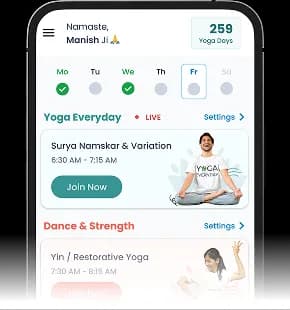
Continue your habit on the Habuild app
Use the Habuild app for reminders, live access, progress support, and habit tracking.