Online Fitness Classes for Beginners: A Realistic Guide to Your First 3 Months
Online fitness classes for beginners: your first month, 5 basic moves and how to progress safely.
Key Takeaways
- You don't need to be fit, flexible or young to start, just willing to move a little every day.
- Almost every beginner workout is built on 5 movement patterns: squat, hinge, push, pull and core.
- Three to five sessions a week is a good starting rhythm; daily is fine if you choose easier options.
- Soreness that fades in a few days is normal. Sharp, joint or one-sided pain means stop.
- Month one is for learning, month two for steadiness and month three for adding challenge.
- A good beginner class always shows an easier version of every move and makes resting acceptable.
If you have never exercised, or haven't for years, starting can feel intimidating. You may worry that you are too unfit, too stiff or too old, or that everyone else in the class will be ahead of you.
Here is the truth: almost everyone who exercises regularly today was once a beginner who felt exactly the same. Online fitness classes for beginners are one of the gentlest ways to begin, because you train at home, at your own pace, without anyone watching. This guide explains what really happens in your first three months.
What Nobody Tells Beginners About the First Month
- You will feel clumsy at first. New movements take time to learn. Coordination improves within a couple of weeks.
- You will feel sore. Muscles you haven't used for years will complain, especially thighs, hips and shoulders. This usually eases by the second or third week.
- You won't see big changes in the mirror. Month one changes how you feel: energy, sleep, ease of movement. Visible changes come later.
- Some days will feel hard for no reason. Poor sleep, stress or a heavy meal can make a normal class feel difficult. That's normal too.
- Showing up is the real achievement. If you attend regularly in month one, you have done the hardest part.
The 5 Basic Movements Every Beginner Learns
Most strength workouts, however complex they look, are built from five simple movement patterns. Learn these and every class becomes easier to follow.
1. Squat (bending the knees)
Sitting down into a chair and standing up again is a squat. It strengthens your thighs and glutes and makes stairs, getting off the floor and lifting easier. Beginners often start with a shallow squat or by touching a chair behind them.
2. Hinge (bending at the hips)
Picking something up from the floor with a straight back is a hinge. Glute bridges and good-morning-style movements train it. It protects your lower back in daily life.
3. Push
Pushing yourself away from a wall or the floor trains your chest, shoulders and arms. Beginners start with wall push-ups or knee push-ups before full push-ups.
4. Pull
Pulling movements strengthen your upper back and improve posture. Without equipment, these are often done lying face down and lifting the arms, or with a towel or resistance band.
5. Core (keeping your middle steady)
Planks, dead bugs and similar moves teach your stomach and back muscles to keep you stable. A strong core makes almost every other movement safer.
How Often Should a Beginner Train?
The NHS physical activity guidelines recommend that adults do strengthening activities on at least 2 days a week, alongside at least 150 minutes of moderate activity across the week. For beginners in live classes:
- Three days a week is enough to start seeing progress if you are very new.
- Four to five days a week helps build the habit faster, as long as you use easier variations.
- Daily classes are fine for most healthy beginners who keep the intensity low and rest when tired.
Consistency beats intensity. Ten easy sessions in a month will do more for you than three exhausting ones followed by two weeks off.
Good Soreness vs Bad Pain
Learning to tell these apart is one of the most useful beginner skills.
Normal soreness:
- A dull ache in the muscles you worked
- Usually appears a day or two after exercise
- Feels better with gentle movement
- Eases within a few days
Stop and get it checked:
- Sharp or stabbing pain during a movement
- Pain inside a joint, such as the knee, shoulder or lower back
- Pain on only one side that gets worse
- Dizziness, chest discomfort or unusual breathlessness
Your First 3 Months, Month by Month
Month 1: Learn
Focus on attending and learning the movements. Use the easiest options for everything. Don't count reps or compare yourself with the trainer.
Month 2: Steady
The routine starts to feel familiar. You may notice you get through classes with fewer breaks. Keep most exercises at the easier level, and try the harder version of one or two you feel confident with.
Month 3: Challenge
By now, many beginners can handle some harder variations. Add them gradually, one exercise at a time. This is also when people often notice clothes fitting differently and everyday tasks feeling lighter.
"I'm Too Unfit to Start" and Other Beginner Fears
- "I'm too unfit." Beginner classes are built for unfit people. That's who they're for.
- "I'm overweight." Choose low-impact options, avoid jumping at first, and progress slowly. Your body will adapt.
- "I'm not flexible." Flexibility improves with practice. You don't need it to start.
- "I'll look silly." At home, no one is watching. That's one of the biggest advantages of online classes.
- "I've failed before." Most people who quit started too hard. Starting easy changes everything.
Training at Home in India: Small Practical Tips
- Small flat? You need only a space about the size of a yoga mat with room to stretch your arms.
- Hot weather? Train in the cooler morning or evening, keep a fan on, and drink water before and after.
- Tiled floors? Use a mat to avoid slipping, and avoid socks on smooth tiles.
- Neighbours below? Choose the low-impact versions of jumping moves.
- Family at home? Tell them your class time so you aren't interrupted.
How to Spot a Truly Beginner-Friendly Online Class
- Every exercise is shown with an easier version.
- The trainer encourages rest instead of pushing through.
- Classes start with a proper warm-up and end with stretches.
- Movements are demonstrated slowly before you do them.
- The class doesn't promise dramatic results in days.
Health Disclaimer
This article is for general information only and is not medical advice. If you have not exercised for a long time or have a health condition, please consult a doctor before starting.
Flexible Batch Timing
Choose morning or evening classes and join the slot that suits your day.
Morning
6:30 AM
7:30 AM
8:30 AM

Evening
5:00 PM
6:00 PM
7:00 PM
8:00 PM

Choose Your Membership Plan
Continue after the trial with membership options designed for long-term consistency support.
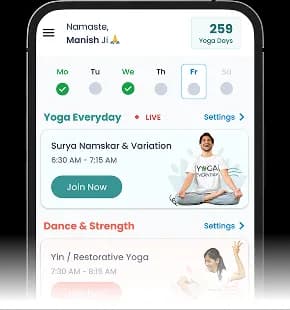
Continue your habit on the Habuild app
Use the Habuild app for reminders, live access, progress support, and habit tracking.