Online Fitness Classes for Women: Strength Training That Fits Your Life
Online fitness classes for women: strength myths, periods, pregnancy, menopause and busy days.

Key Takeaways
- Cardio helps the heart, but strength training protects muscle, bones and posture as women age.
- Bodyweight strength training makes you firmer and stronger, not bulky.
- You can exercise during your period; choose lighter options or rest on difficult days.
- After pregnancy, wait for your doctor's go-ahead and rebuild slowly.
- In your 40s and 50s, strength training supports bone density, balance and mood through menopause.
- The best class time is the one you can protect every day, early morning or late evening.
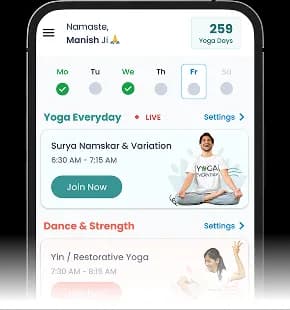
Most women know exercise matters. What gets in the way is everything else: office hours, cooking, children, travel time and the feeling that a gym isn't really built for them. Online fitness classes for women remove most of those barriers. You train at home, at a fixed time, in whatever you're comfortable wearing.
This guide covers why strength training in particular is so valuable for women, the myths that hold many back, and how to train sensibly through periods, pregnancy recovery and menopause.
Why Women Need Strength Training, Not Just Walking
Walking and cardio are good for the heart and mood. But they do little to build muscle, and muscle is what keeps you strong, steady and independent as you age.
- Muscle naturally declines with age. From around your 30s, you slowly lose muscle unless you use it. Strength training is the most direct way to slow that loss.
- Bone health. Strength exercises put healthy load on your bones, which is widely recommended to help maintain bone strength. This matters more for women, as bone density drops faster around menopause.
- Posture and back comfort. Desk work, phones and carrying children pull the body forward. A stronger back, core and glutes help you sit and stand taller.
- Everyday tasks. Lifting a child, carrying shopping or climbing stairs with bags are all strength tasks. Training makes them easier.
"Will Strength Training Make Me Bulky?"
No. This is the most common worry, and it stops many women from starting.
Building large, bulky muscles takes years of heavy lifting, a carefully planned high-calorie diet and very specific training. Bodyweight strength classes don't work that way. What women usually notice instead is a firmer, more toned body, clothes fitting differently, and daily tasks feeling lighter.
Exercising During Your Periods
There is no rule that you must stop exercising during your period. Many women find gentle movement actually eases cramps and improves mood. Others feel too tired on their heaviest days. Both are normal.
- On lighter days, carry on as usual if you feel well.
- On heavier or crampy days, choose the easier variations, slow down, or rest.
- Stay hydrated, and skip any move that feels uncomfortable.
- If periods are very painful or irregular, speak to a doctor rather than pushing through.
Returning to Exercise After Pregnancy
Your body changes a lot during pregnancy and birth, so the return to exercise should be gradual.
- Get your doctor's go-ahead first. The right time differs for every woman, especially after a caesarean or a difficult delivery.
- Start with the easiest options and short efforts. Rebuilding core and pelvic strength takes time.
- Watch for warning signs such as pain, heaviness in the pelvis, leaking or bleeding, and stop and consult your doctor if they appear.
- Be patient. Sleep is short and energy is low in the early months. Any movement counts.
Strength Training in Your 40s and 50s
Perimenopause and menopause bring hormonal changes that affect bone density, muscle, weight distribution, sleep and mood. Strength training is one of the most useful habits to build at this stage.
- It helps maintain muscle that would otherwise decline faster.
- It supports bone strength at the time it matters most.
- It improves balance, which lowers the risk of falls later in life.
- Many women find it helps with energy and mood.
Start gently, focus on good technique, and check with your doctor if you have joint problems, high blood pressure or other health concerns.
Finding Time: Real Routines That Work
The best slot is the one you can protect every day. These are patterns many women use:
- The early riser: train before the house wakes up, so the day can't take the time away.
- The working woman: a class right after logging off marks the end of the workday and the start of your own time.
- The mother of young children: use school hours, nap time, or the evening after children sleep.
- The homemaker: mid-morning, once breakfast and the morning rush are done.
Telling your family when your class is helps. So does training with someone: a sister, a friend or your mother, on a video call or simply in the same room.
What to Wear and How to Set Up
- A well-fitted sports bra makes quick movements much more comfortable.
- Breathable clothes that let you bend and stretch. Leggings or track pants with a T-shirt work well.
- A mat or non-slip floor, and bare feet or supportive shoes.
- Hair tied back and a towel and water nearby.
Health Disclaimer
This article is for general information only and is not medical advice. Please consult a doctor before exercising during pregnancy, after childbirth or if you have period-related concerns.
Flexible Batch Timing
Choose morning or evening classes and join the slot that suits your day.
Morning
6:30 AM
7:30 AM
8:30 AM

Evening
5:00 PM
6:00 PM
7:00 PM
8:00 PM

Choose Your Membership Plan
Continue after the trial with membership options designed for long-term consistency support.
Continue your habit on the Habuild app
Use the Habuild app for reminders, live access, progress support, and habit tracking.