Online Workout Classes for Couples: How to Get Fit Together Without Falling Out
Online workout classes for couples: train together at different levels and stay consistent.

Key Takeaways
- Training with your partner adds accountability: it's harder to skip when someone is waiting.
- You don't need the same fitness level. Each person picks their own variation in the same class.
- Set shared goals around habits, like five classes a week, not who loses more weight.
- A little planning around space, screen position and timing prevents most day-to-day friction.
- Never coach or criticise your partner's form. Encourage, don't correct.
- If schedules clash, train separately on busy days and together when you can.
Many couples talk about getting fit together, but life gets in the way: different working hours, different energy levels and different ideas of what a "good workout" is. Online workout classes for couples make it far easier, because you can train in the same room, at the same time, without either of you travelling to a gym.
This guide explains how to make couple workouts work in real life, including when one of you is fitter than the other.
Why Couples Who Train Together Stay Consistent
- Built-in accountability. It's much harder to skip a class when your partner is already rolling out the mat.
- Shared time. In busy weeks, a 45-minute class can be some of the only focused time you spend together.
- Healthier habits at home. When both of you exercise, it's easier to plan meals, sleep earlier and cut down on late-night snacking.
- Mutual encouragement. Celebrating each other's small wins keeps motivation going.
- Less guilt. Neither person feels they're taking time away from the other.
Different Fitness Levels? That's Normal
In most couples, one person is fitter, stronger or more flexible. That doesn't matter in a group class:
- Each of you chooses your own variation. One partner might do knee push-ups while the other does full push-ups, in the same class.
- Rest independently. If one person needs a break, the other keeps going.
- Don't compare reps. Progress is personal. Measure each person against their own starting point.
- Respect injuries and limits. If one partner has a bad knee or back, they adapt without explanation.
Setting Shared Goals That Don't Cause Friction
Weight-loss races or "who can do more push-ups" competitions often backfire. Better shared goals:
- Attend a set number of classes each week together
- Finish one full month without missing more than two days
- Walk together on non-class days
- Cook one healthy dinner together each week
- Celebrate monthly milestones with a non-food reward, like a day out
Keep personal goals personal, and support each other's.
Setting Up Your Shared Space
- Space: you'll each need room to stretch your arms out without hitting each other. Place mats side by side or one behind the other.
- Screen: use the largest screen you have, positioned so both of you can see the trainer's full body. A TV works well.
- Sound: keep the volume loud enough for both, or use a small speaker.
- Ventilation: two people exercising in a small room heats it up quickly, so keep a fan on and windows open.
- Water: one bottle each, within reach.
Avoiding the Arguments That Make Couples Quit
- Don't correct each other's form. Even well-meant comments can feel like criticism. Let the trainer's demonstrations do the teaching.
- Agree on the slot in advance. Decide the night before, not five minutes before class.
- Don't pressure a tired partner. Invite, don't insist. Some days one of you will need to rest.
- No scorekeeping. Who attended more, who's losing more weight or who's stronger shouldn't come up.
- Laugh at the hard bits. Wobbly balance moves and tough planks are more fun shared.
When Your Schedules Don't Match
Couples rarely have identical days. A flexible approach works better than all-or-nothing:
- Train together on weekends and separately on busy weekdays.
- Choose the slot that suits the busier partner on days you train together.
- Check in after solo sessions: a quick "did you make it today?" keeps the shared habit alive.
Training During Big Life Changes
Pregnancy, a new baby, illness or a job change can disrupt routines. If one partner can't train for a while, the other can keep the habit going and invite them back when ready. During pregnancy and after childbirth, always follow the doctor's advice before resuming exercise.
Health Disclaimer
This article is for general information only and is not medical advice. Please consult a doctor before starting any new exercise routine, especially if either of you has a health condition, an injury or is pregnant.
Flexible Batch Timing
Choose morning or evening classes and join the slot that suits your day.
Morning
6:30 AM
7:30 AM
8:30 AM

Evening
5:00 PM
6:00 PM
7:00 PM
8:00 PM


Choose Your Membership Plan
Continue after the trial with membership options designed for long-term consistency support.
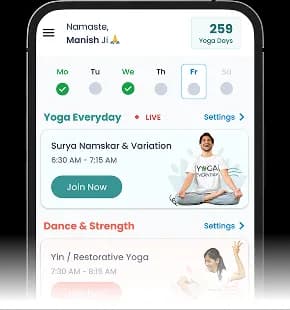
Continue your habit on the Habuild app
Use the Habuild app for reminders, live access, progress support, and habit tracking.