Strength Training for Testosterone: Boost Testosterone Naturally Through Training
A resistance training programme designed to naturally boost testosterone through compound lifts and consistent progression.


Key Takeaways
- Compound lifts like squats, presses, and rows spike testosterone
- Consistent training supports long-term hormonal balance
- Built around structured progression, not generic workouts
- Guided by senior instructor Saurabh Bothra's live sessions
- Improves strength and daily energy alongside hormone health
What is Strength Training for Testosterone?
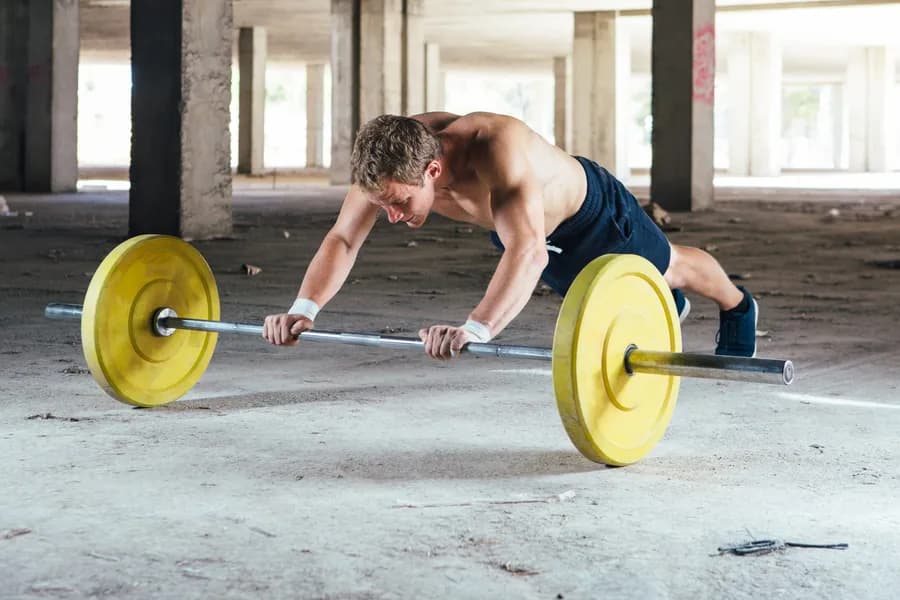
Strength training for testosterone is a structured resistance programme specifically designed to achieve boost testosterone naturally through training — not just general fitness. Every exercise selection, rep range, and progression is chosen because it directly drives testosterone results faster than generic workouts.
The mechanism is hormonal response to compound resistance loading. By progressively overloading the target muscles and movement patterns over time, the body adapts specifically to the demands of testosterone — producing measurable, sustainable results that general fitness classes are not structured to deliver.
Benefits of Strength Training for Testosterone
Benefit 1: Increased Testosterone Through Compound Loading
Compound resistance exercises — squats, deadlifts, rows, and presses — produce the greatest acute testosterone response of any training modality. Research indicates significant hormonal elevation following high-intensity resistance training.
Benefit 2: Improved Muscle Mass and Strength
Testosterone is the primary anabolic hormone — elevated levels support faster muscle protein synthesis, greater strength gains, and improved training recovery. More training → more testosterone → faster muscle development.
Benefit 3: Enhanced Energy, Libido, and Mood
Many men report improved energy levels, mood, and sexual function alongside the hormonal improvements that consistent resistance training produces.
Benefit 4: Better Metabolic Health and Body Composition
Higher testosterone is associated with reduced visceral fat accumulation and improved insulin sensitivity — making resistance training a meaningful intervention for metabolic health.
How to Get Started with Strength Training for Testosterone
Before You Begin — Setting Your Baseline
Before beginning, assess your current fitness level honestly. Can you complete 10 bodyweight squats with good form? Can you hold a plank for 20 seconds? These are the practical baselines for this programme. Set a specific, measurable goal — not just ‘get stronger’ but ‘complete 15 bodyweight squats with full depth in 8 weeks’. Identify what space and equipment you have available. If you have any existing injuries or health conditions, consult your doctor before starting.
Week 1–2: Foundation Phase
Two sessions per week. Focus entirely on movement quality — correct joint alignment, controlled tempo, and full range of motion. Use bodyweight only or very light resistance. The most important thing in this phase is NOT to push hard — it is to practise the movement patterns correctly so that when you do add resistance in weeks 3–4, your form is already solid. Do not skip this phase.
Week 3–8: Progressive Loading Phase
Add resistance progressively — aim to add one more rep or a small amount of weight each week. For testosterone goals, the rep range varies: if your goal is maximum strength, work in the 5–8 rep range with heavier loads; if your goal is muscular endurance and tone, stay in the 12–20 rep range with moderate loads. Add a third session in week 5–6 if recovery allows. Track your sessions — a simple note of sets, reps, and load each week makes progression deliberate rather than guesswork.
Week 9+: Goal-Specific Advancement
Introduce more advanced training variables: supersets (two exercises back-to-back with no rest), tempo manipulation (slower eccentrics for greater muscle stimulus), and periodisation (alternating heavier weeks with lighter deload weeks). At this stage, the programme should be producing clear, measurable results. If you’ve stalled, look at nutrition, sleep, and recovery first — these are the most common causes of plateau beyond the early adaptation phase.
Common Mistakes to Avoid When Training for Testosterone
Mistake 1: Skipping Progressive Overload
Without increasing the challenge week by week — through more reps, more sets, or more resistance — the body adapts and progress stalls. Every session should be slightly harder than the last. Track your reps and aim to improve them consistently.
Mistake 2: Training Without Adequate Recovery
Muscles grow during rest, not during training. Training testosterone muscles every day without rest days slows progress and increases injury risk. Two to three sessions per week with recovery between them is the evidence-supported approach.
Mistake 3: Neglecting Nutrition Around Training
Strength training creates the stimulus for adaptation; nutrition provides the building blocks. Without adequate protein (1.6–2.0g per kg bodyweight) and sufficient calories, training effort produces minimal results. Nutrition is as important as the programme itself.
1.5 Crore+ members already building their fitness habit with Habuild
Live daily sessions · Expert instructor · Cancel anytime
How Habuild Trains You for Testosterone
Habuild is India’s First Habit Building Program for Yoga, and through its ‘Strong Everyday’ programme led by Trishala Bothra, it extends this same habit-building philosophy to structured strength and fitness training. Every session is designed for the specific goal rather than general fitness.
Goal-Specific Programming — Not a Generic Fitness Class
Every exercise selection, rep range, and rest period in the testosterone programme is chosen because it produces testosterone results specifically. Habuild does not run the same session for everyone regardless of goal — the programme is structured to drive your specific outcome with every session.
Live Daily Sessions with Real-Time Form Correction
Unlike pre-recorded videos, Habuild’s live daily sessions allow the instructor to see and correct form errors in real time — the specific errors that prevent testosterone progress and increase injury risk. This live correction is the difference between training that works and training that wastes effort.
Progressive Overload Built into Every Session
Members do not need to design their own progressive overload — it is built into the programme structure. Each week, the sessions are deliberately more challenging than the last, ensuring the body never fully adapts and results continue coming.
Accountability, Streaks, and Community
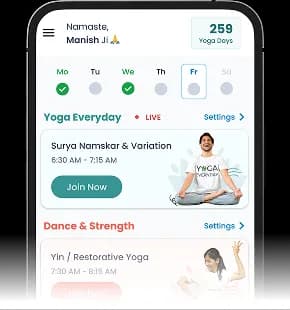
Habuild’s streak tracking, WhatsApp community, and daily session structure provide the accountability that makes the difference between a programme you start and a habit you maintain. 1.5 Crore+ members have built their fitness routine through Habuild — the community and daily structure are as important as the training itself.
Who Is Resistance Training for Testosterone Best For?
Complete Beginners Starting from Zero
Resistance training for testosterone begins with bodyweight compound movements — push-ups, squats, glute bridges — which produce meaningful hormonal responses even without external load. No gym or equipment is needed to start experiencing the hormonal benefits. The only requirement is showing up consistently — strength and technique follow from that.
Intermediate Trainees Looking to Fill a Gap
Resistance training — particularly heavy compound movements — is the most evidence-supported lifestyle intervention for naturally raising testosterone levels. Compound movements using large muscle groups (squats, deadlifts, presses) produce the greatest acute testosterone spike and, with consistent training, support the chronic elevation of baseline testosterone. Adding resistance training for testosterone to an existing routine addresses a specific conditioning gap that most general workouts miss.
Men with Low Testosterone, Those Seeking Hormonal Optimisation, and Adults Over 40
Resistance training — particularly heavy compound movements — is the most evidence-supported lifestyle intervention for naturally raising testosterone levels. Compound movements using large muscle groups (squats, deadlifts, presses) produce the greatest acute testosterone spike and, with consistent training, support the chronic elevation of baseline testosterone.
Senior Citizens and Older Adults (50+)
Resistance Training for Testosterone can be adapted for older adults by controlling tempo, reducing range of motion, and using supported variations. Habuild’s live instructors modify exercises in real time for different fitness levels and physical conditions in the same session.
Is Resistance Training for Testosterone Good for Beginners?
Yes — absolutely. Resistance Training for Testosterone begin at very low intensity with fully accessible entry-level variations. Habuild’s live instructor adapts the session in real time so beginners and experienced trainees can train together without either being left behind.
How to Add Resistance Training for Testosterone to Your Training Routine
How Often to Do Resistance Training for Testosterone — Frequency Guide
Train resistance training for testosterone 3–4 times per week, with heavy compound movements prioritised. This frequency gives the muscle and nervous system adequate stimulus without outpacing recovery. Consistency matters more than intensity in the early weeks — showing up regularly produces better results than infrequent all-out sessions.
When in Your Workout to Do Resistance Training for Testosterone
Place resistance training for testosterone morning training has modest evidence for greater testosterone-cortisol synchronisation, though consistent training at any time produces hormonal benefits. Sequencing exercises correctly ensures you bring maximum quality to resistance training for testosterone rather than performing them under accumulated fatigue from earlier work.
What to Pair Resistance Training for Testosterone With
Combine resistance training for testosterone with adequate sleep (testosterone is produced primarily during deep sleep), zinc and vitamin D sufficiency (the two most deficient micronutrients in testosterone production), and stress management. This combination develops complementary muscle groups in the same session and builds the balanced strength that prevents compensation and injury.
How to Progress Resistance Training for Testosterone Over Time
Once the base movement feels controlled and repeatable, progressively increase load on compound movements, prioritise the big lifts (squats, deadlifts, presses, rows), and include the 3–6 rep range in at least some sessions as this produces the greatest acute testosterone response. Progress only when form is consistent — adding difficulty before mastering the base movement reinforces poor mechanics and stalls long-term results.
How Habuild Teaches Resistance Training for Testosterone
Habuild is India’s First Habit Building Program — and through its strength and fitness sessions, it brings the same habit-based philosophy to targeted exercise training. Every session is structured around your specific goal, not a one-size-fits-all class.
Goal-Specific Programming — Not a Generic Fitness Class
Every exercise, rep range, and rest period in Habuild’s resistance training for testosterone sessions is chosen because it produces results for resistance training for testosterone specifically. Habuild does not run the same session for every goal — the programme is structured to drive your specific outcome with every session, not general fitness that happens to include resistance training for testosterone.
Live Daily Sessions with Real-Time Form Correction
Unlike pre-recorded videos, Habuild’s live daily sessions allow the instructor to see and correct your form in real time — the specific errors that limit resistance training for testosterone results and increase injury risk. This live correction is the difference between training that works and training that wastes effort and creates bad habits.
Progressive Overload Built into Every Session
Members do not need to design their own progressive overload for resistance training for testosterone — it is built into the programme structure. Each week, sessions are deliberately more challenging than the last, ensuring the body never fully adapts and results continue coming rather than stalling.
Accountability, Streaks, and Community
The most common reason people stop exercising is not effort — it is missing sessions until the habit breaks. Habuild’s streak system, live session accountability, and community of members training the same goal alongside you resolves this directly. Members who join with a specific goal like resistance training for testosterone and stay consistent for 30 days almost universally report that showing up has become automatic.
Flexible Batch Timing
Choose morning or evening classes and join the slot that suits your day.
Morning
6:30 AM
7:30 AM
8:30 AM

Evening
5:00 PM
6:00 PM
7:00 PM
8:00 PM


Choose Your Membership Plan
Continue after the trial with membership options designed for long-term consistency support.
Continue your habit on the Habuild app
Use the Habuild app for reminders, live access, progress support, and habit tracking.