
Agastya Haritaki Rasayan: Uses, Benefits, Dosage & Side Effects
Explore Agastya Haritaki Rasayan in Ayurveda, including traditional uses, properties, preparation guidance, side effects and precautions.


Key Takeaways
- Agastya’s bronchodilatory alkaloids relax bronchial smooth muscle to ease breathlessness.
- Combines Agastya, Haritaki, Dashamoola, and Pushkaramoola for comprehensive Shwasa relief.
- Trikatu and Pippali liquefy Kapha for chronic, productive cough with thick mucus.
- Haritaki, called the king of herbs, regularises bowel movements and relieves constipation.
- Pushkaramoola adds anti-asthmatic and cardiac-tonic support to the formula.
- As a Rasayana, it rebuilds Ojas and immune strength alongside its respiratory action.
Agastya Haritaki Rasayan is a time-honoured classical Ayurvedic Rasayana (rejuvenative formulation) combining two potent herbs: Agastya (Sesbania grandiflora) and Haritaki (Terminalia chebula). It is described in classical texts including Ashtanga Hridayam as a premier formulation for Shwasa (asthma), Kasa (cough), and digestive disorders. This Rasayan balances Vata and Kapha doshas and is renowned for its rejuvenating, immunomodulatory, and digestive benefits.
Agastya Haritaki Rasayan — Formulation Profile
Property: Details
Formulation Type: Rasayan (Avaleha/Leha — herbal electuary/jam)
Classical Source: Ashtanga Hridayam (Chikitsa Sthana), Charaka Samhita
Primary Dosha: Vata-Kapha shamaka
Primary System: Respiratory (Pranavaha Srotas), Digestive, Immune
Anupana: Warm water, honey, or warm milk
Shelf Life: 1 year from date of preparation
Key Ingredients
Ingredient: Sanskrit Name; Role
Agastya tree (Sesbania grandiflora): Agastya; Primary; bronchodilator, anti-inflammatory, antioxidant
Chebulic Myrobalan (Terminalia chebula): Haritaki; Rasayana, laxative, detoxifying, digestive tonic
Dashamoola (ten roots): Dashamoola; Anti-inflammatory, analgesic, strengthens Prana Vata
Trikatu (Ginger, Black Pepper, Long Pepper): Trikatu; Deepana-pachana, mucolytic, bioavailability enhancer
Jaggery / Sugar: Guda / Sharkara; Base and palatability agent
Ghee: Ghrita; Yogavahi (carrier), nourishing, Vata-pacifying
Honey: Madhu; Anupana, antimicrobial, enhances absorption
Pushkaramoola (Inula racemosa): Pushkaramoola; Bronchodilator, anti-asthmatic, cardiac tonic
Pippali (Piper longum): Pippali; Lung Rasayana, mucolytic, immunomodulator
Therapeutic Uses and Benefits
- Asthma and Chronic Respiratory Disorders Agastya Haritaki Rasayan is Ayurveda’s foremost Rasayana for Shwasa roga (asthma and breathlessness). Agastya possesses potent bronchodilatory alkaloids that relax bronchial smooth muscle, while Pushkaramoola provides anti-asthmatic and anti-inflammatory support. The combination helps reduce the frequency and severity of asthmatic episodes when used as a long-term Rasayana protocol under physician guidance.
- Chronic Cough and Bronchitis The Kapha-liquefying action of Trikatu and Pippali, combined with Haritaki’s detoxifying properties, makes this Rasayana highly effective for Kasa (cough) — especially chronic, productive cough with thick mucus. It soothes the bronchial mucosa, reduces inflammation, and aids expectoration without causing excessive dryness.
- Digestive Health and Constipation Relief Haritaki is classically called “the king of herbs” for its comprehensive digestive action. In this Rasayana, it regularises bowel movements, relieves chronic constipation, reduces gas and bloating, and strengthens Agni. The combination with Trikatu ensures complete digestion of Ama, addressing the root cause of many systemic disorders in Ayurvedic pathology.
- Immune System Enhancement As a Rasayana, this formulation is specifically designed to rebuild Ojas (vital essence) and enhance both specific and non-specific immunity. Regular use improves resistance to recurrent respiratory infections, colds, and seasonal illnesses. Agastya’s antioxidant flavonoids protect cells from oxidative stress, while Haritaki’s immunomodulatory saponins upregulate immune response.
- Cognitive Function and Mental Clarity The Rasayana classification implies benefits beyond physical health — this formulation is traditionally used to improve Dhi (intellect), Dhriti (retention), and Smriti (memory). By improving oxygenation through better respiratory function and reducing Ama burden on the nervous system, it enhances mental clarity, focus, and cognitive performance.
- Anti-Inflammatory and Joint Health Dashamoola’s well-documented anti-inflammatory properties make Agastya Haritaki Rasayan useful in managing joint discomfort associated with Vata imbalance, including arthralgia and early-stage arthritis. By correcting systemic Ama accumulation, it addresses the inflammatory root cause rather than just suppressing symptoms.
- Liver Detoxification and Metabolic Support Haritaki’s hepatoprotective properties support healthy liver function, bile secretion, and detoxification pathways. Combined with Agastya’s antioxidant action, this Rasayana helps the body efficiently process and eliminate metabolic waste, supporting healthy cholesterol levels and overall metabolic function.
Dosage and Administration
Age Group: Dosage; Frequency; Anupana; Duration
Adults: 10–15 g (approx. 1–2 tsp); Twice daily; Warm water or honey; 1–3 months
Children (above 7 years): 5 g (1 tsp); Once daily; Warm milk; As directed
Elderly: 10 g; Once or twice daily; Warm water; As directed by physician
Best time: Morning on an empty stomach or as directed by an Ayurvedic physician. For respiratory conditions, evening dose before sleep is beneficial.
Side Effects and Contraindications
Known Contraindications
- Diabetes mellitus (monitor blood sugar; jaggery/sugar base)
- Acute diarrhoea or loose stools (Haritaki has mild laxative action)
- High Pitta with bleeding disorders
Drug Interactions
- May enhance effects of antidiabetic drugs
- Use caution with immunosuppressant medications
Who Should Avoid
- Pregnant women (consult physician first)
- Individuals with severe constipation should start with lower doses
- Those with known allergy to any ingredient
{"@context":"https://schema.org","@type":"FAQPage","mainEntity":[ {"@type":"Question","name":"What is Agastya Haritaki Rasayan used for?","acceptedAnswer":{"@type":"Answer","text":"It is primarily used for asthma, chronic cough, bronchitis, and digestive disorders including constipation and indigestion. It also improves immunity, cognitive function, and overall vitality as a Rasayana."}}, {"@type":"Question","name":"What is the dosage of Agastya Haritaki Rasayan?","acceptedAnswer":{"@type":"Answer","text":"The standard adult dose is 10–15 g twice daily with warm water or honey, preferably on an empty stomach. Children above 7 years may take 5 g once daily with warm milk."}}, {"@type":"Question","name":"Can Agastya Haritaki Rasayan be taken long-term?","acceptedAnswer":{"@type":"Answer","text":"Yes, as a Rasayana it is designed for long-term use of 1–3 months or more under physician supervision. Its rejuvenating effects are cumulative and become more pronounced over time."}}, {"@type":"Question","name":"Does Agastya Haritaki Rasayan have side effects?","acceptedAnswer":{"@type":"Answer","text":"It is generally well-tolerated. Mild laxative effects may occur initially due to Haritaki. Diabetics should monitor blood glucose due to the jaggery content."}}, {"@type":"Question","name":"What are the main ingredients?","acceptedAnswer":{"@type":"Answer","text":"The primary ingredients are Agastya (Sesbania grandiflora), Haritaki (Terminalia chebula), Dashamoola, Trikatu, Pushkaramoola, Pippali, ghee, jaggery, and honey."}} ]}
Related reads: Dashmool Haritaki: Uses, Benefits, Dosage & Side Effects · Madhusnuhi Rasayan: Uses, Benefits, Dosage & Side Effects
Agastya Haritaki Rasayan’s combined focus on respiratory strength, digestion, and immunity mirrors what a well-rounded yoga practice offers through pranayama for the lungs and twists for the gut, both of which support the body’s broader resilience. Bringing this kind of movement into daily life can round out what the Rasayana is meant to build from within. Habuild’s free yoga challenge is a good place to start that practice.
Frequently Asked Questions
Related Articles

Agarkasth: Benefits, Uses & Ayurvedic Properties
Explore Agarkasth in Ayurveda, including traditional uses, properties, preparation guidance, side effects and precautions.

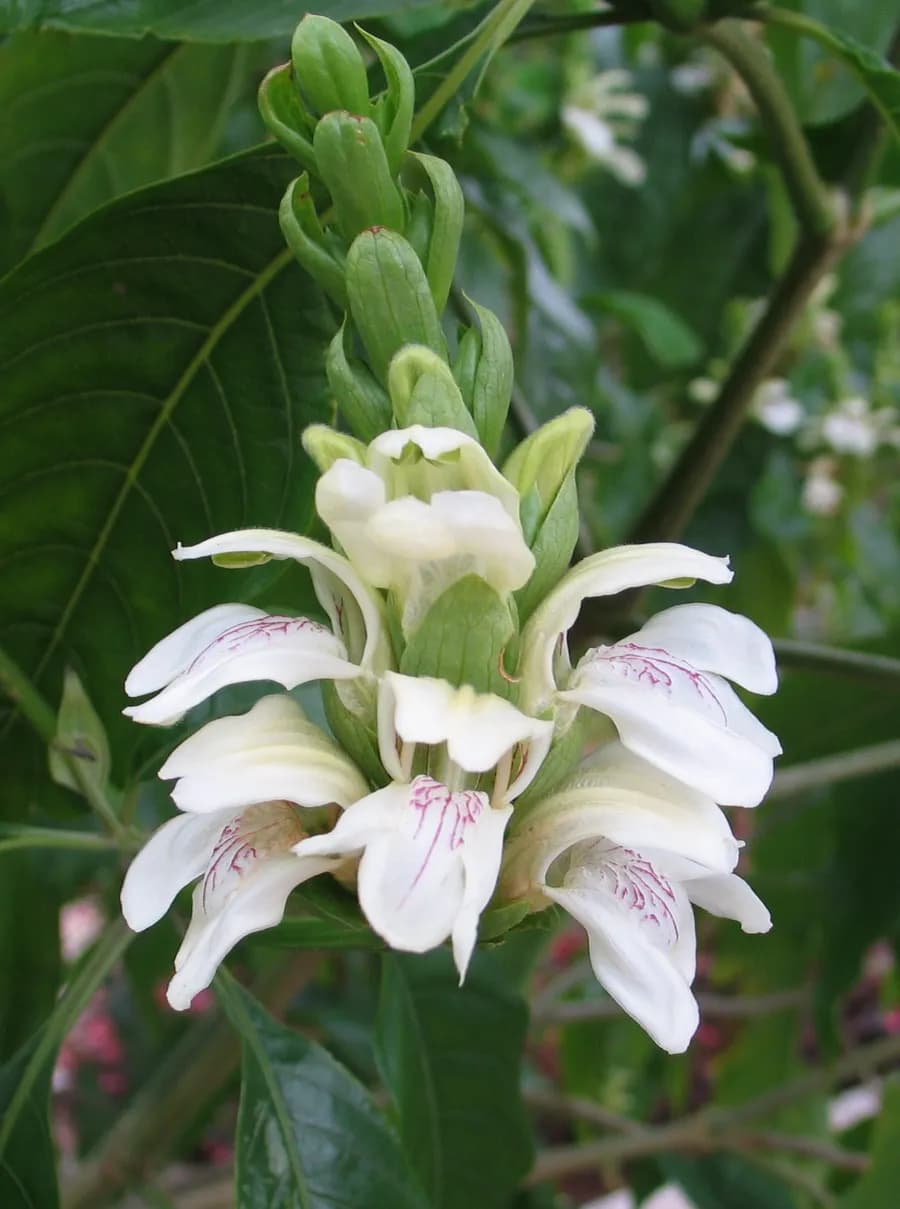
Adusa: Benefits, Uses & Ayurvedic Properties
Explore Adusa in Ayurveda, including traditional uses, properties, preparation guidance, side effects and precautions.


Aak (Madar): Ayurvedic Uses, Safety Notes & Properties
Explore Aak (Madar) in Ayurveda, including traditional uses, properties, preparation guidance, side effects and precautions.
.%2520Monika&w=3840&q=40)