Chitvan: Benefits, Uses & Ayurvedic Properties
Chitvan (Alstonia scholaris / Saptaparna) is a classical Ayurvedic herb for fever, respiratory health, and digestive parasites. Explore its properties.

Key Takeaways
- Alkaloids echitamine and echitamidine show anti-plasmodial activity against malarial fevers.
- Classical texts cite Saptaparna bark for Vishama Jwara, irregular intermittent fevers.
- Bark powder with honey is a classical remedy for productive cough with thick mucus.
- Root bark has expelled intestinal helminths for centuries, Ashtanga Hridayam confirms.
- Its alkaloids modulate the HPA axis, reducing cortisol-driven fatigue during recovery.
- Shows antibacterial activity against gut pathogens including E. coli and Salmonella.
Chitvan (Saptaparna in Sanskrit), botanically Alstonia scholaris (Apocynaceae), is a large evergreen tree native to the Indian subcontinent, Southeast Asia, and northern Australia. In Ayurveda, it is revered for its febrifuge, anti-malarial, and adaptogenic properties. Modern phytochemical research has isolated potent alkaloids — including echitamine and scholaricine — that validate its traditional uses in fever, respiratory conditions, and nervous exhaustion.
Ayurvedic Properties of Chitvan
| Property | Value |
| --- | --- |
| Sanskrit Name | Saptaparna, Saptachhada, Vishalatvak |
| Other Names | Chitvan (Hindi), Devil Tree, Blackboard Tree, Dita Bark |
| Botanical Name | Alstonia scholaris |
| Plant Family | Apocynaceae |
| Part Used | Bark (primary), leaves, latex, root bark |
| Rasa (Taste) | Tikta (bitter), Kashaya (astringent) |
| Guna (Quality) | Laghu (light), Ruksha (dry) |
| Virya (Potency) | Sheeta (cooling) |
| Vipaka | Katu (pungent) |
| Doshic Action | Kapha-Pitta shamaka (balances Kapha and Pitta) |
| Primary Action | Jwaraghna (febrifuge), Krimighna (anti-parasitic), Deepana (digestive stimulant) |
Health Benefits of Chitvan
- Fever Management and Anti-Malarial Activity Chitvan bark is one of Ayurveda’s most valued Jwaraghna (fever-relieving) dravyas, particularly for chronic and intermittent fevers. Its bitter alkaloids echitamine and echitamidine have demonstrated anti-plasmodial activity in research studies, supporting its traditional use against malarial fevers. The Sheeta (cooling) virya counteracts Pitta-driven fever, while its bitter taste clears Kapha accumulation that prolongs febrile episodes. Classical texts mention its use in Vishama Jwara (irregular, intermittent fevers).
- Respiratory Health and Expectorant Action The bark and leaf decoctions of Chitvan effectively manage Kapha-type respiratory conditions including chronic cough, asthma, and bronchitis. Its Tikta-Kashaya rasa dries excess Kapha in the lungs while its bronchodilatory alkaloids open constricted airways. The powdered bark mixed with honey is a classical preparation for productive cough with thick mucus. Scholars in Ashtanga Hridayam cite Saptaparna bark as a primary herb in Kasahara (anti-tussive) formulations.
- Digestive Fire Stimulation and Anti-Parasitic Action Chitvan is a potent Deepana (digestive stimulant) and Krimighna (anti-parasitic) herb used in intestinal worm infestations and sluggish digestion. Its bitter principles stimulate bile secretion and pancreatic enzyme production, improving fat digestion and nutrient absorption. The root bark powder has been used for centuries to expel intestinal helminths. Modern studies confirm antibacterial activity against common gut pathogens including E. coli and Salmonella species.
- Adaptogenic and Nervine Tonic Properties Chitvan possesses Medhya (cognitive) and Rasayana (rejuvenating) properties that support mental endurance and recovery from chronic illness. Its alkaloids modulate the HPA axis, reducing cortisol-mediated fatigue and supporting adrenal function — the Ayurvedic analogue of “adaptogenic” action. It is used in debility, nervous exhaustion, and recovery from prolonged fevers where overall vitality is depleted. Combined with Ashwagandha, it serves as a tonic for post-illness convalescence.
- Skin and Wound Healing Applied externally, Chitvan bark paste demonstrates Vranaropana (wound-healing) and Kushtaghna (skin-purifying) actions. Its astringent tannins contract wound edges and reduce exudate, while its antimicrobial alkaloids prevent secondary infection. Traditional Ayurvedic practitioners apply a decoction wash for chronic ulcers, infected wounds, and skin conditions aggravated by Pitta-Kapha such as eczema and fungal infections.
- Liver Protection and Blood Purification The bitter constituents of Chitvan stimulate hepatic function, supporting detoxification and Raktashodhana (blood purification). Animal studies demonstrate hepatoprotective effects of Alstonia scholaris bark extract against CCl4-induced liver damage. In Ayurvedic practice, it is combined with Kutki (Picrorhiza kurroa) and Bhumyamalaki for chronic liver conditions and skin disorders arising from impure blood.
How to Use Chitvan
| Form | Preparation | Dosage | Best Time |
| --- | --- | --- | --- |
| Kwatha (Decoction) | Boil 5–10 g bark in 400 ml water; reduce to 100 ml | 50–100 ml twice daily | Before meals |
| Churna (Powder) | Dried bark powder | 1–3 g with honey or warm water | After meals |
| Tablet/Capsule | Standardised extract (as per commercial preparation) | 250–500 mg twice daily | With meals |
| External Paste | Bark paste with water or sesame oil | Apply to affected area twice daily | Morning and evening |
Side Effects and Precautions
Known Contraindications
- Not recommended in cases of severe Vata imbalance or extreme dryness (Ati Ruksha prakruti) due to its Ruksha (dry) quality.
- Avoid in hypotension — the alkaloids may lower blood pressure further.
- Latex from the tree is caustic; avoid direct skin contact with raw latex.
Drug Interactions
- May potentiate anti-malarial drugs — concurrent use requires medical supervision.
- May interact with anti-hypertensive medications, increasing hypotensive effects.
- Use with caution alongside hepatotoxic drugs due to potential additive liver effects.
Who Should Avoid
- Pregnant women — uterine-stimulating alkaloids may pose risk; avoid without physician consent.
- Breastfeeding women — alkaloid transfer into milk is possible.
- Children under 12 — consult a paediatric Ayurvedic physician before use.
Safe Dosage Range
Bark churna: 1–3 g per day; Decoction: 50–100 ml twice daily. The herb is potent — self-medication at high doses is inadvisable. Always work with a qualified Ayurvedic practitioner for therapeutic use.
Classical Text References
Saptaparna (Chitvan) is listed in Charaka Samhita (Sutra Sthana 4) among the Tikta Skanda (bitter group) herbs used for Jwara (fever), Krimi (parasitic infections), and Kushtha (skin disorders). Ashtanga Hridayam (Sutrasthana 15) references it under Kasahara and Shwasahara categories for respiratory conditions.
Frequently Asked Questions
Related Articles

Bharangi: Benefits, Uses & Ayurvedic Properties
Bharangi (Clerodendrum serratum) is a classical Ayurvedic herb for asthma, sinusitis, and chronic cough. Explore its properties, dosage, and evidence-based respiratory benefits.

Banafsha: Benefits, Uses & Ayurvedic Properties
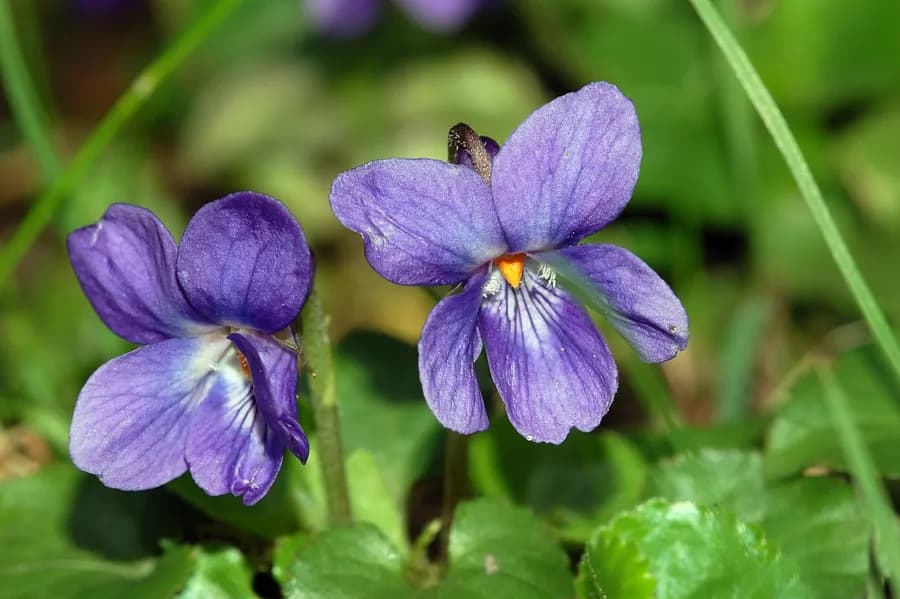
Banafsha (Viola odorata / Sweet Violet) is a powerful Ayurvedic herb for cough, asthma, fever, and skin inflammation. Discover its benefits, dosage, and traditional uses.
Badi Elaichi (Large Cardamom): Benefits, Uses & Ayurvedic Properties
Badi Elaichi (Amomum subulatum), Black or Large Cardamom, is an Ayurvedic spice herb prized for digestive, respiratory, and cardiac support. Learn its Ayurvedic properties, health benefits, and how to use it safely.