
Gokshura Benefits: Evidence, Uses and Safety
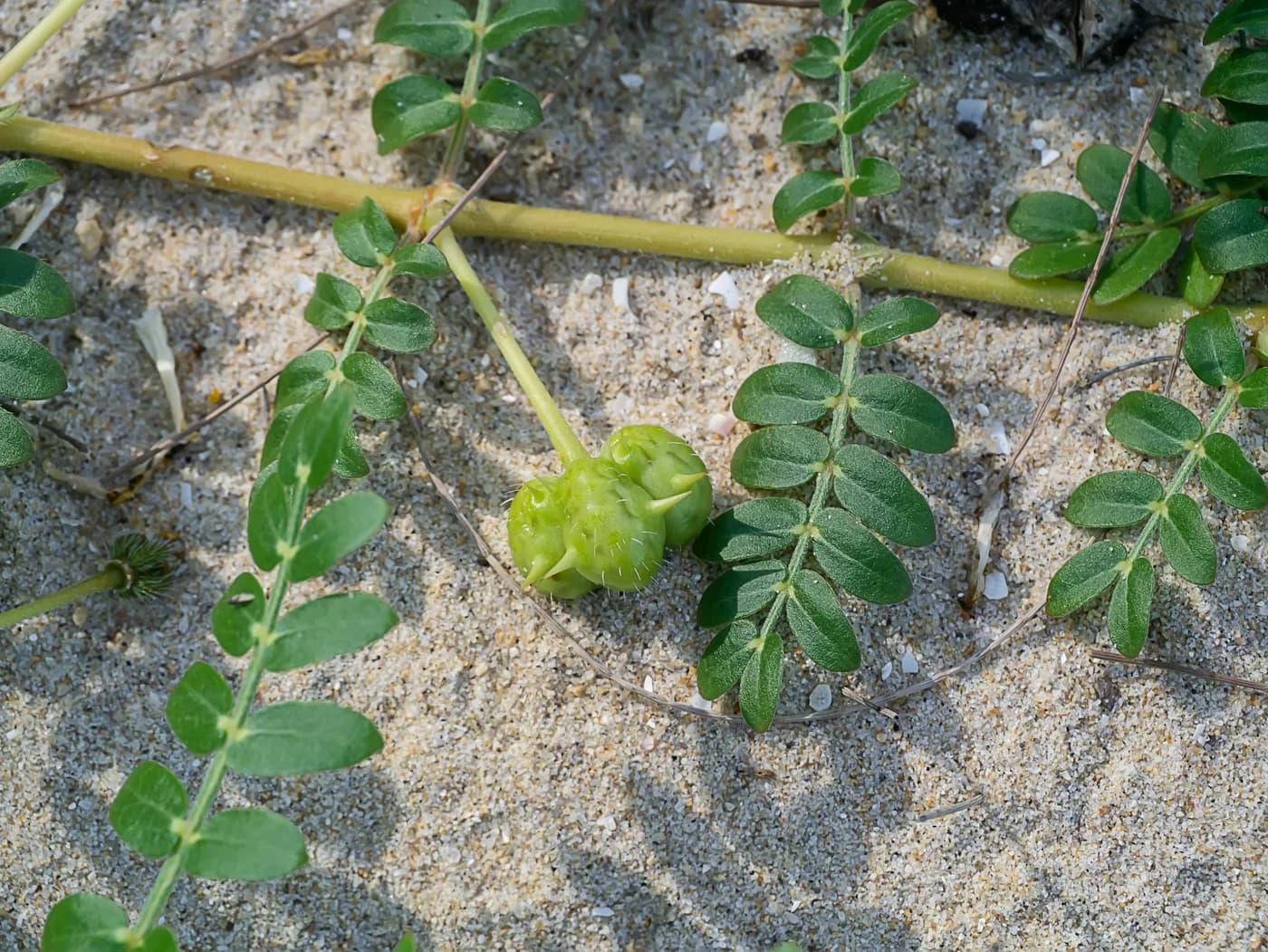
Gokshura usually refers to Tribulus terrestris, a herb used in Ayurveda and sold as powders, capsules and mixed formulations.
Key Takeaways
- Traditional Ayurvedic use of gokshura does not prove that a modern supplement works.
- Human studies have not shown gokshura reliably raises testosterone in healthy men.
- Powders, standardised extracts and multi-herb blends are not equivalent products.
- Seek advice first if pregnant, breastfeeding, on medicines or with liver or kidney concerns.
Gokshura usually refers to Tribulus terrestris, a herb used in Ayurveda and sold as powders, capsules and mixed formulations. It is promoted for testosterone, fertility, sexual function, urinary health and sports performance, but evidence is limited and product quality varies. Gokshura benefits must be weighed against dose, interactions and individual risk.
Identifying the product first
Common names can refer to different plants, and formulations may use fruit, root or the whole plant. Check the botanical name Tribulus terrestris, plant part, amount per serving and every added ingredient. A proprietary blend can hide the dose.
Traditional powders and standardised extracts provide different exposures. Research on one extract cannot establish gokshura benefits for every capsule, tea or churna. Accurate identification also helps a clinician investigate side effects.
Testosterone and exercise claims
Tribulus is widely marketed as a testosterone booster. Human studies have not consistently shown a meaningful rise in testosterone or muscle gain in healthy users. Changes seen in animals or laboratory work do not prove the same outcome in people, so testosterone marketing commonly overstates gokshura benefits.
Strength, recovery and body composition depend more on training, adequate food, protein, sleep and a suitable programme. Athletes should also consider contamination with prohibited substances, even when the label says herbal or natural.
Sexual function and fertility
Some small studies have explored sexual function, but preparations and participants differ. A positive result in one group does not establish treatment for erectile dysfunction, low libido or infertility in everyone.
These concerns may involve hormones, medicines, cardiovascular health, stress or relationship factors. Medical evaluation can identify treatable causes. A supplement should not delay semen analysis, hormone testing or evidence-based care when indicated.
Urinary and kidney claims
In Ayurvedic tradition, gokshura has been used for urinary complaints, which has led to modern claims that it cleans the kidneys or removes stones. Reliable evidence is insufficient to use it as a treatment for urinary infection, obstruction or kidney stones. Increased urination does not prove that toxins have been removed.
Fever, back pain, blood in urine, inability to pass urine or severe colicky pain requires prompt assessment. Kidney disease can change how herbs and medicines are handled and is a reason to avoid unsupervised use.
Possible side effects
Reported effects can include stomach upset, nausea, diarrhoea, sleep disturbance or allergic symptoms. Rare case reports involving liver or kidney injury cannot always prove cause, but they support caution and prompt review of symptoms.
Stop the product and seek advice for jaundice, dark urine, severe abdominal pain, reduced urine, swelling or marked weakness. Breathing difficulty, facial swelling, fainting or a severe rash needs urgent care.
Interactions and surgery
Gokshura may affect blood glucose, blood pressure or fluid balance and could interact with related medicines. Multi-herb products create additional uncertainty. Bring the exact label to a doctor or pharmacist rather than relying on the product name alone.
Tell the surgical team about all supplements in advance. Do not combine several testosterone, fertility or diuretic products, because overlapping ingredients increase risk and make side effects difficult to trace.
Pregnancy, breastfeeding and children
Safety in pregnancy and breastfeeding is not established, so medicinal use should be avoided unless specifically directed by a qualified professional. Products marketed for reproductive effects deserve particular caution.
Children should not receive gokshura supplements without specialist advice. Older adults may be more vulnerable to medicine interactions, dehydration or kidney effects. A traditional label does not remove these differences.
Product quality and contamination
Herbal supplements do not all undergo the same pre-market testing as medicines. Look for a complete ingredient list, manufacturer contact details, batch number, expiry date and independent quality testing for microbes, heavy metals and undeclared medicines where available. These checks reduce uncertainty about identity and contamination, though they do not prove effectiveness.
Avoid products sold with dramatic before-and-after claims or vague wording such as proprietary male-performance blend. Some sexual-enhancement supplements have contained undeclared drug ingredients. Buying from a familiar marketplace does not guarantee purity, and a natural label does not rule out pharmacological effects.
How long should a trial last?
There is no established universal dose or duration for general wellness. If a qualified professional recommends a trial, define the goal and how improvement will be measured, then agree on one clearly labelled product, the dose, a review date and stopping criteria. Record changes in symptoms rather than relying on a general feeling that the product must be doing something.
Continuing indefinitely because no immediate harm occurred is not a safety test. Some adverse effects appear after repeated exposure, and costs can accumulate. Stop when the planned trial ends if there is no meaningful benefit, and do not increase the dose in response to marketing.
A safer way to decide
Gokshura benefits remain uncertain for most advertised outcomes. If the concern is low testosterone, infertility, urinary pain or poor exercise performance, first identify which clinician or test can assess the underlying problem. Evidence-based care, training, sleep and nutrition should remain primary. Avoid guaranteed hormone, fertility or kidney-cleanse claims and stop promptly when significant symptoms appear.
Editorial sources
Frequently Asked Questions
Related Articles
Ashwagandha Powder : Benefits, Uses and Safety
Ashwagandha, or Withania somnifera, is an herb used in Ayurveda and sold as dried root powder, capsules and concentrated extracts. It is promoted for…

Shatavari: Benefits, Uses & Ayurvedic Properties
Shatavari (Asparagus racemosus) is Ayurveda’s premier women’s tonic and adaptogen, supporting hormonal balance, fertility, lactation, and immunity..


How to Increase Testosterone Naturally: Evidence and Testing
Testosterone varies by age, time of day, sleep, illness, energy intake, medicines and body composition. Symptoms alone cannot confirm a low level.
