Gudhal: Benefits, Uses & Ayurvedic Properties
Discover the Ayurvedic benefits of Gudhal (Hibiscus rosa-sinensis / Japakusuma) — from hair growth and blood pressure to skin health, digestion, and.

Key Takeaways
- Natural alpha-hydroxy acids in the flowers exfoliate dead skin cells and tighten pores.
- Clinical studies show Hibiscus tea significantly lowers both systolic and diastolic blood pressure.
- Reduces LDL cholesterol and triglyceride levels alongside its blood pressure benefits.
- Mild laxative properties relieve constipation without causing dependence over time.
- Used in formulations for menorrhagia, heavy bleeding, alongside irregular menstruation.
- Sanskrit name Japakusuma distinguishes this red, pink, and yellow flowering shrub.
What is Gudhal?
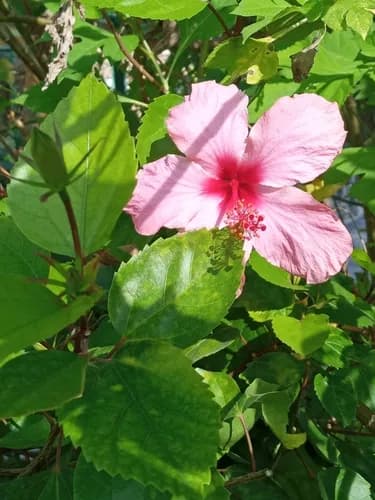
Gudhal (Sanskrit: गुड़हल) is a popular Ayurvedic medicinal plant botanically known as Hibiscus rosa-sinensis, commonly called Hibiscus or Shoe Flower, belonging to the Malvaceae family. It is a vibrant flowering shrub native to East Asia and widely cultivated throughout India in tropical and subtropical regions. Gudhal is recognized for its stunning red, pink, and yellow blooms, which are not only ornamental but also powerfully medicinal. In Ayurveda, Gudhal is particularly prized for its cooling, hair-strengthening, and cardiovascular benefits.
Ayurvedic Properties of Gudhal
| Property | Detail |
| --- | --- |
| Sanskrit Name | Japakusuma (जपाकुसुम), Japa, Rudrapushpa |
| Rasa (Taste) | Madhura (Sweet), Amla (Sour), Kashaya (Astringent) |
| Guna (Quality) | Guru (Heavy), Snigdha (Unctuous/Oily) |
| Virya (Potency) | Sheeta (Cooling) |
| Vipaka (Post-digestive) | Madhura (Sweet) |
| Dosha Effect | Pitta-Kapha shamaka (balances Pitta and Kapha) |
| Part Used | Flowers, Leaves, Roots |
Health Benefits of Gudhal
- Hair Care and Growth Gudhal is perhaps most famous in Ayurveda for its exceptional benefits for hair — it is a cornerstone ingredient in traditional hair oils and preparations. Rich in anthocyanins, flavonoids, and amino acids, it promotes hair growth by stimulating hair follicles and improving scalp circulation. Regular application of Gudhal-infused oil reduces hair fall, premature greying, dandruff, and scalp inflammation, while imparting natural shine and strength to hair strands.
- Cardiovascular Health Gudhal is rich in anthocyanins and polyphenols that provide potent antioxidant protection for the cardiovascular system. Clinical studies have demonstrated that Hibiscus tea significantly lowers systolic and diastolic blood pressure in hypertensive individuals. It also helps reduce LDL (bad) cholesterol and triglyceride levels, making it a valuable herb for heart disease prevention in Ayurvedic cardiology.
- Skin Health and Anti-aging The natural alpha-hydroxy acids (AHAs) and antioxidants in Gudhal flowers help exfoliate dead skin cells, tighten pores, and improve skin texture and radiance. Its anti-inflammatory properties soothe acne, rashes, eczema, and sunburns, while its moisturizing qualities combat skin dryness and wrinkles. Gudhal-based Ayurvedic face packs and skin preparations are traditional remedies for youthful, glowing skin.
- Digestive and Laxative Support Gudhal possesses mild laxative properties that help relieve constipation and improve bowel regularity without causing dependence. Its cooling nature helps soothe Pitta-aggravated digestive conditions including acidity, hyperacidity, and gastritis. Gudhal flower tea is a traditional Ayurvedic remedy for digestive discomfort, indigestion, and loss of appetite.
- Menstrual Health Gudhal is an emmenagogue herb in Ayurveda, meaning it helps regulate and promote normal menstrual flow. It is used in formulations for irregular menstruation, dysmenorrhea (painful periods), and menorrhagia (heavy bleeding). Its cooling and blood-purifying properties help balance Pitta-related menstrual disorders and reduce associated symptoms like irritability and hot flashes.
- Immune System and Antioxidant Protection Gudhal flowers are exceptionally rich in Vitamin C and flavonoids, providing robust antioxidant protection that neutralizes free radicals and reduces oxidative stress. This antioxidant activity supports immune function, reduces systemic inflammation, and may help protect against chronic diseases including certain cancers. In Ayurveda, regular consumption of Gudhal preparations is considered a Rasayana (rejuvenative) practice for longevity and vitality.
- Liver Support Research has identified hepatoprotective properties in Gudhal that support liver health by reducing liver enzyme levels and combating oxidative damage. In Ayurvedic practice, Gudhal preparations are used to support liver detoxification and are recommended in protocols for fatty liver and hepatic inflammation. Its cooling nature helps balance Pitta-aggravated liver conditions.
How to Use Gudhal
| Form | Dosage | How to Take |
| --- | --- | --- |
| Hibiscus Tea (dried flowers) | 1–2 tsp dried flowers per cup | Steep in hot water 5–10 min; drink 1–2 cups daily |
| Flower Paste (external) | 5–10 fresh flowers | Grind with coconut oil; apply to scalp and hair weekly |
| Powder (Churna) | 1–3 g twice daily | Mix with honey or warm water; take after meals |
| Hair Oil | As needed | Infuse flowers in coconut or sesame oil; apply to scalp 2–3 times/week |
Side Effects & Precautions
Gudhal is generally safe for most people. However, its blood pressure-lowering effects may cause hypotension (low blood pressure) in those already on antihypertensive medications — monitoring and physician guidance is essential in such cases. Pregnant women should consult a doctor before therapeutic use as Gudhal’s emmenagogue properties may affect the uterus. Those allergic to Malvaceae family plants should exercise caution. Gudhal tea is acidic and may worsen acid reflux or dental enamel erosion if consumed excessively.
Classical References
Gudhal (Japakusuma) is described in classical Ayurvedic texts including Bhavaprakasha Nighantu under the Pushpavarga (flower group), where its properties for hair, skin, and menstrual health are documented. Charaka Samhita and Sushruta Samhita reference Japa flowers in formulations for Rakta Pitta (bleeding disorders) and Raktapradara (menorrhagia). The Ashtanga Hridayam describes its cooling and blood-purifying properties. Classical hair preparations (Keshya Tailas) extensively use Gudhal flowers as a primary ingredient.
Frequently Asked Questions
Related Articles

Bharangi: Benefits, Uses & Ayurvedic Properties
Bharangi (Clerodendrum serratum) is a classical Ayurvedic herb for asthma, sinusitis, and chronic cough. Explore its properties, dosage, and evidence-based respiratory benefits.

Banafsha: Benefits, Uses & Ayurvedic Properties
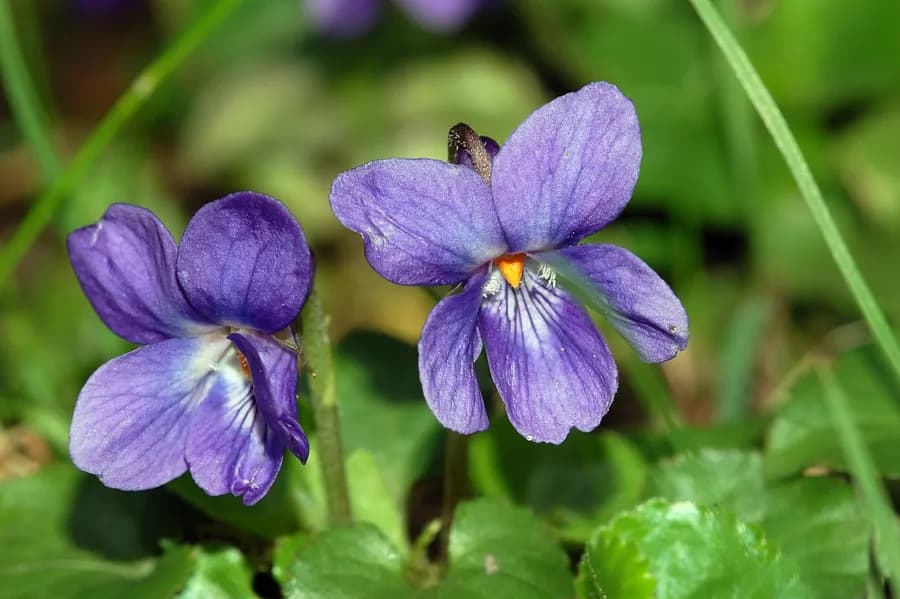
Banafsha (Viola odorata / Sweet Violet) is a powerful Ayurvedic herb for cough, asthma, fever, and skin inflammation. Discover its benefits, dosage, and traditional uses.
Badi Elaichi (Large Cardamom): Benefits, Uses & Ayurvedic Properties
Badi Elaichi (Amomum subulatum), Black or Large Cardamom, is an Ayurvedic spice herb prized for digestive, respiratory, and cardiac support. Learn its Ayurvedic properties, health benefits, and how to use it safely.