Mandukparni: Benefits, Uses & Ayurvedic Properties
Mandukparni (Centella asiatica / Gotu Kola) is Ayurveda’s premier brain-rejuvenating Medhya Rasayana. Discover its properties, memory benefits.


Key Takeaways
- Over 300 clinical and preclinical studies validate its nootropic and wound-healing effects.
- Asiaticoside and asiatic acid stimulate dendrite and axon growth, boosting neuronal connectivity.
- Charaka Samhita prescribes daily fresh Mandukparni juice for students seeking mental clarity.
- Clinical trials show reduced HAM-A anxiety scores through modulation of the GABAergic system.
- Triterpenoid saponins drive faster healing of surgical wounds, venous ulcers, and burns.
- TECA, its titrated extract, improves scar quality and reduces keloid formation clinically.
Mandukparni (Mandukaparni in Sanskrit), botanically Centella asiatica (Apiaceae), is a creeping herbaceous plant native to wetlands and tropical regions across Asia and Africa. One of Ayurveda’s foremost Medhya Rasayanas (brain-rejuvenating herbs), Mandukparni has been used for millennia to enhance memory, promote wound healing, and support longevity. Modern science has extensively validated its nootropic, wound-healing, and adaptogenic effects through over 300 clinical and preclinical studies.
Ayurvedic Properties of Mandukparni
| Property | Value |
| --- | --- |
| Sanskrit Name | Mandukaparni, Brahmi (sometimes used interchangeably), Saraswati |
| Other Names | Gotu Kola (English), Indian Pennywort, Brahmi (common usage), Vallari (Tamil) |
| Botanical Name | Centella asiatica |
| Plant Family | Apiaceae (Umbelliferae) |
| Part Used | Whole herb (leaves, stems, roots) |
| Rasa (Taste) | Tikta (bitter), Kashaya (astringent), Madhura (sweet) |
| Guna (Quality) | Laghu (light), Snigdha (unctuous) |
| Virya (Potency) | Sheeta (cooling) |
| Vipaka | Madhura (sweet) |
| Doshic Action | Tridosha shamaka (balances all three doshas) |
| Primary Action | Medhya (nootropic), Rasayana (rejuvenating), Vranaropana (wound-healing), Ayushkara (life-promoting) |
Health Benefits of Mandukparni
- Cognitive Enhancement and Memory Improvement Mandukparni is the crown jewel of Ayurvedic Medhya Rasayanas — herbs that specifically enhance intellect, memory, and mental clarity. Its active compounds — asiaticoside, asiatic acid, madecassoside, and madecassic acid — stimulate dendrite and axon growth, enhancing neuronal connectivity. Randomised controlled trials have confirmed improvements in working memory, attention, and cognitive processing speed in healthy adults and patients with mild cognitive impairment. Charaka Samhita prescribes daily fresh Mandukparni juice for students and scholars seeking heightened mental performance.
- Anxiety, Stress, and Mood Regulation As a Vata and Pitta-pacifying Rasayana, Mandukparni reduces cortisol-mediated anxiety and promotes sattvic (calm, clear) mental states. Multiple clinical trials demonstrate significant reduction in anxiety scores (HAM-A scale) with Centella asiatica supplementation. The herb modulates the GABAergic system, enhancing inhibitory neurotransmission that calms the nervous system without sedation. It is particularly valued for performance anxiety, generalised anxiety disorder, and stress-induced insomnia.
- Wound Healing and Collagen Synthesis Mandukparni is among the best-validated wound-healing herbs in both Ayurvedic and modern medicine. Triterpenoid saponins stimulate fibroblast proliferation, collagen Type I and III synthesis, and angiogenesis — the three pillars of wound repair. Clinical studies demonstrate faster healing of surgical wounds, venous ulcers, and burns with topical Centella preparations (TECA — Titrated Extract of Centella asiatica). Scar quality is also improved, with reduced keloid formation and better tensile strength.
- Circulatory Health and Venous Insufficiency Mandukparni strengthens connective tissue in blood vessel walls, improving venous tone and reducing symptoms of chronic venous insufficiency. European pharmaceutical preparations derived from Centella asiatica (marketed as Centellase) are clinically approved in multiple countries for varicose veins, leg heaviness, and oedema. In Ayurveda, this action corresponds to Raktaprasadana (blood purification and nourishment) and Shotha-hara (oedema reduction). Regular use reduces capillary permeability and leakage.
- Anti-Inflammatory and Adaptogenic Effects The pentacyclic triterpenoids in Mandukparni inhibit NF-κB and COX-2 pathways, delivering broad-spectrum anti-inflammatory effects. In Ayurvedic terms, this corresponds to Pitta and Ama (toxin) reduction throughout the body. As a Rasayana, it builds Ojas (vital essence) and enhances the body’s adaptive capacity to physical and psychological stressors. Athletes and practitioners of yoga and meditation use it to maintain performance under training stress.
- Skin Rejuvenation and Anti-Ageing Mandukparni’s collagen-stimulating and antioxidant properties make it a premier Ayurvedic herb for skin health and anti-ageing. Applied topically, it reduces wrinkles, improves skin elasticity, and helps fade stretch marks and surgical scars. Its free radical-scavenging phytochemicals protect skin cells from UV-induced oxidative damage. Internally, it nourishes Twak (skin) tissue as part of its Rasa dhatu (plasma/lymph) and Majja dhatu (nervous tissue) rejuvenating actions.
How to Use Mandukparni
| Form | Preparation | Dosage | Best Time |
| --- | --- | --- | --- |
| Swarasa (Fresh Juice) | Juice of fresh leaves | 10–20 ml twice daily | Morning on empty stomach |
| Churna (Powder) | Dried herb powder | 3–6 g with warm milk or ghee | Morning and evening |
| Capsule/Tablet | Standardised extract (10–20% asiaticosides) | 300–600 mg twice daily | With meals |
| Ghrita (Medicated Ghee) | Mandukaparni Ghrita (classical preparation) | 5–10 g with warm milk | Morning or before bed |
| Topical Cream/Gel | TECA or Centella extract formulation | Apply twice daily to affected skin or wounds | Morning and night |
Side Effects and Precautions
Known Contraindications
- High doses may occasionally cause mild gastrointestinal upset — nausea or diarrhoea.
- Avoid concurrent use with sedatives or sleep medication as additive CNS depression is possible.
- Individuals with history of dermatitis from Apiaceae family plants should use topical forms cautiously.
Drug Interactions
- May enhance the sedative effects of anxiolytics and sleep medications.
- Potential interaction with antidiabetic drugs — monitor blood glucose as Mandukparni may have mild hypoglycaemic activity.
- May interact with hepatotoxic drugs; liver enzymes should be monitored with long-term high-dose use.
Who Should Avoid
- Pregnant women — limited safety data; the herb may have emmenagogue properties in high doses.
- Patients with liver disease should use with caution; rare cases of hepatotoxicity at very high doses have been reported.
- Individuals scheduled for surgery should discontinue two weeks before, as it may slow blood clotting.
Safe Dosage Range
Fresh juice: 10–20 ml twice daily; Powder: 3–6 g daily; Standardised extract: 300–600 mg twice daily. Classical Rasayana protocols recommend long-term use of 3–6 months under physician supervision for maximum cognitive benefit.
Classical Text References
Mandukparni is listed among the four Medhya Rasayanas in Charaka Samhita (Chikitsa Sthana 1.3.30), alongside Shankhpushpi, Guduchi, and Ashwagandha. Ashtanga Hridayam (Uttarasthana 6) recommends Mandukaparni Swarasa for intellectual enhancement and longevity. Sushruta Samhita references it in wound-healing (Vranaropana) and skin rejuvenation contexts.
Frequently Asked Questions
Related Articles

Bharangi: Benefits, Uses & Ayurvedic Properties
Bharangi (Clerodendrum serratum) is a classical Ayurvedic herb for asthma, sinusitis, and chronic cough. Explore its properties, dosage, and evidence-based respiratory benefits.

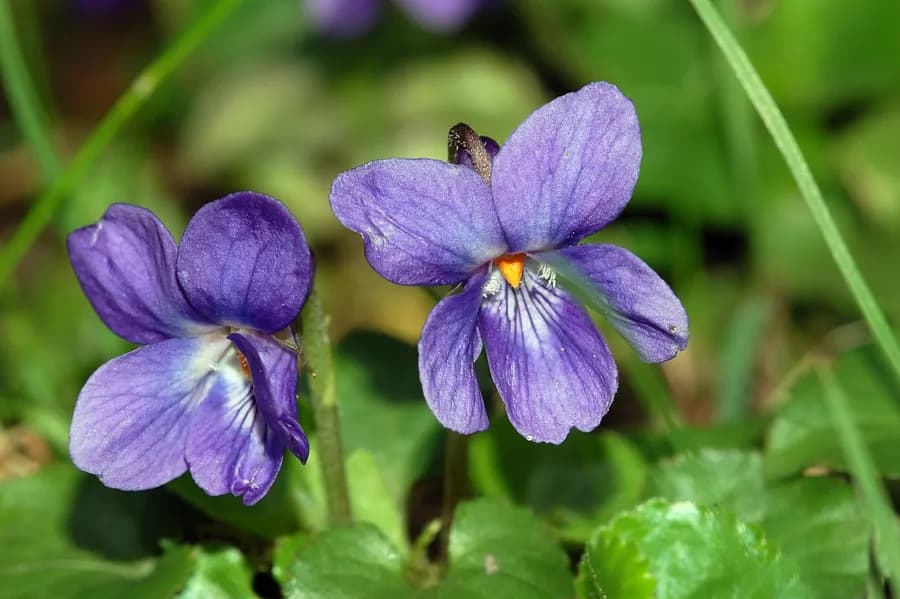
Banafsha: Benefits, Uses & Ayurvedic Properties
Banafsha (Viola odorata / Sweet Violet) is a powerful Ayurvedic herb for cough, asthma, fever, and skin inflammation. Discover its benefits, dosage, and traditional uses.

Badi Elaichi (Large Cardamom): Benefits, Uses & Ayurvedic Properties
Badi Elaichi (Amomum subulatum), Black or Large Cardamom, is an Ayurvedic spice herb prized for digestive, respiratory, and cardiac support. Learn its Ayurvedic properties, health benefits, and how to use it safely.