Palasha: Benefits, Uses & Ayurvedic Properties
Discover Palasha (Kimshuka / Butea monosperma — Flame of the Forest). Explore its Ayurvedic properties, anti-parasitic action, benefits for skin, liver.

Key Takeaways
- Bark and flowers show significant anti-inflammatory action against eczema, psoriasis, and acne.
- The bark decoction serves as a classical skin wash while seed paste treats inflammation topically.
- Used in Ayurvedic gynaecology to tone uterine tissue and regulate irregular menstruation.
- Bark decoction is traditionally used for liver enlargement, jaundice, and liver congestion.
- Its bitter taste and hot potency stimulate bile secretion for efficient fat digestion.
- Hepatoprotective compounds shield liver cells from oxidative and inflammatory damage.
What is Palasha?
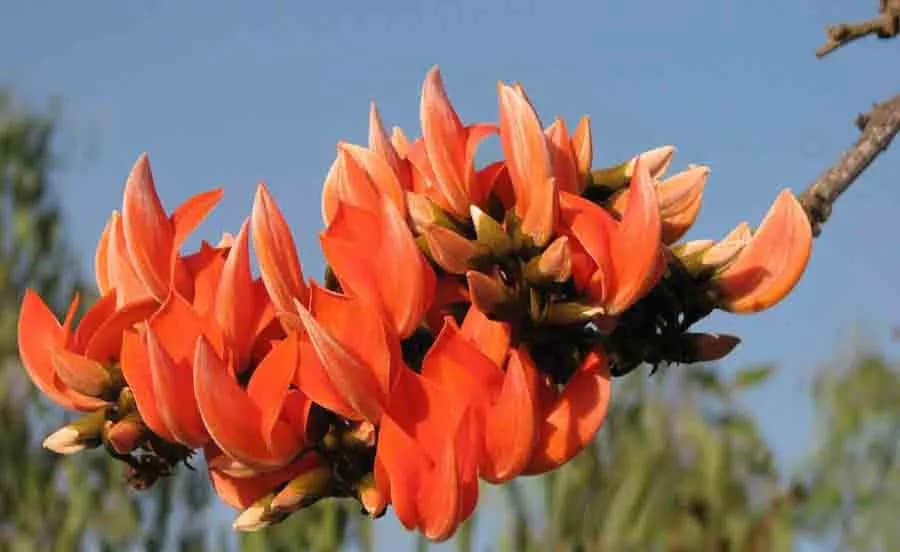
Palasha, known in Sanskrit as Palasha (पलाश) or Kimshuka, is a sacred and medicinally important tree in Ayurveda with the botanical name Butea monosperma, belonging to the Fabaceae family. Commonly called Flame of the Forest or Dhak, this medium-to-large deciduous tree is native to the tropical and subtropical regions of India and Southeast Asia. It is revered both for its stunning bright orange-red flowers that bloom in the dry season and for its extensive therapeutic applications documented in classical Ayurvedic texts.
Ayurvedic Properties of Palasha
| Property | Detail |
| --- | --- |
| Sanskrit Name | Palasha (पलाश), Kimshuka, Brahmadruma |
| Rasa (Taste) | Tikta (Bitter), Kashaya (Astringent), Katu (Pungent) |
| Guna (Quality) | Laghu (Light), Rooksha (Dry) |
| Virya (Potency) | Ushna (Hot) |
| Vipaka (Post-digestive) | Katu (Pungent) |
| Dosha Effect | Balances Vata and Kapha; useful in Pitta-Kapha skin conditions when balanced with cooler herbs |
| Part Used | Flowers, seeds, bark, leaves, gum (palasha gum/kem) |
Health Benefits of Palasha
- Anti-parasitic and Worm Expulsion (Krimighna) Palasha seeds are among Ayurveda’s most effective krimighna (anthelmintic/anti-parasitic) agents. The seeds contain palasonin and other bioactive compounds that effectively expel intestinal worms — particularly roundworms (Ascaris lumbricoides) and tapeworms — making it a classical treatment for helminthic infestations in both children and adults. The seeds are used in formulations like Palashadi churna and Vidangadi lehyam.
- Skin Health and Anti-inflammatory Action Palasha bark and flowers exhibit significant anti-inflammatory and antimicrobial properties that support management of chronic skin conditions including eczema, psoriasis, acne, and fungal infections. The bark decoction is used as a wash for skin disorders, while the seed paste is applied topically for inflammatory conditions. Its blood-purifying action addresses the root cause of many skin diseases in Ayurveda.
- Women’s Reproductive Health Palasha has important applications in Ayurvedic gynaecology. The flowers and bark are used to manage uterine disorders, irregular and painful menstruation, and conditions like leucorrhoea. Classical formulations including Palasha-based preparations help tone uterine tissue, reduce excess discharge, and regulate the menstrual cycle through their astringent and hormonal-modulating properties.
- Liver Health and Detoxification The bitter taste and hot potency of Palasha stimulate liver function and promote bile secretion, supporting efficient fat digestion and toxin elimination. Palasha bark decoction is traditionally used for liver enlargement, jaundice, and liver congestion. Its hepatoprotective compounds help shield liver cells from oxidative and inflammatory damage.
- Respiratory Support Palasha’s hot, dry qualities make it useful for managing Kapha-type respiratory conditions including chronic cough, bronchitis, and asthma. The flowers and bark help reduce mucus accumulation, open airways, and support easier breathing. Classical Ayurvedic formulations for Kapha respiratory disorders often include Palasha as a supporting herb.
- Wound Healing and Astringent Action The gum exudate of Palasha (palasha gum or Bengal kino) is a powerful astringent used for wound healing, managing diarrhoea, and treating bleeding gums and oral ulcers. Its high tannin content promotes tissue contraction and healing, while its antimicrobial properties prevent infection at wound sites.
How to Use Palasha
| Form | Dosage | How to Take |
| --- | --- | --- |
| Seed powder for worms | 3–5 g once on empty stomach | Mix with milk or castor oil; typically used for 2–3 days under physician supervision |
| Bark decoction | 30–50 ml twice daily | Boil 10 g bark in 400 ml water; reduce to 100 ml; filter and drink warm for skin and liver |
| Flower infusion | 20–30 ml twice daily | Steep dried flowers in warm water; drink for reproductive and liver health |
| Gum (topical) | As needed | Dissolve in water to form a solution; apply to wounds, mouth ulcers, or inflamed gums |
Side Effects & Precautions
Palasha should be used under qualified Ayurvedic supervision, particularly for internal use. The seeds in high doses can cause abdominal discomfort and nausea. Pregnant women and breastfeeding mothers should consult a healthcare provider before use. People with allergies to Fabaceae family plants may experience reactions. The anthelmintic (worm-expelling) use of seeds requires proper dosing and timing — self-medication is not recommended. Long-term bark decoction use should be supervised to avoid overstimulation of Pitta.
Classical References
Palasha holds great cultural and medicinal significance in Ayurveda. Charaka Samhita (Chikitsasthana 7) describes it as a premier krimighna (anti-parasitic) herb and includes it in the Aragvadhadi gana for skin disorders. Sushruta Samhita recommends Palasha bark and seed preparations for kushtha (skin diseases), arsha (haemorrhoids), and granthi (cysts/tumours). Ashtanga Hridayam includes Palasha in formulations for worm infestations, skin disorders, and gynaecological conditions. The tree is also sacred in Vedic tradition — its wood is used in sacred fire (yagna) and the leaves are used as traditional plates during religious ceremonies.
Frequently Asked Questions
Related Articles

Bharangi: Benefits, Uses & Ayurvedic Properties
Bharangi (Clerodendrum serratum) is a classical Ayurvedic herb for asthma, sinusitis, and chronic cough. Explore its properties, dosage, and evidence-based respiratory benefits.

Banafsha: Benefits, Uses & Ayurvedic Properties
Banafsha (Viola odorata / Sweet Violet) is a powerful Ayurvedic herb for cough, asthma, fever, and skin inflammation. Discover its benefits, dosage, and traditional uses.

Badi Elaichi (Large Cardamom): Benefits, Uses & Ayurvedic Properties
Badi Elaichi (Amomum subulatum), Black or Large Cardamom, is an Ayurvedic spice herb prized for digestive, respiratory, and cardiac support. Learn its Ayurvedic properties, health benefits, and how to use it safely.