
Pudina: Benefits, Uses & Ayurvedic Properties
Pudina (Mint) is a cooling Ayurvedic herb that balances Pitta and Kapha doshas. Discover its health benefits, Ayurvedic properties, uses, and precautions.
Key Takeaways
- Rich in rosmarinic acid and flavonoids that exert antioxidant, anti-inflammatory effects.
- Considered an excellent Mukha Shodhana, or mouth-purifying, herb in Ayurveda.
- Menthol relaxes gastrointestinal smooth muscle for quick relief from stomach cramps.
- Topical mint-infused oil on the forehead cools tension headaches and mental fatigue.
- Its cooling nature also provides relief from sunburn and heat rash on the skin.
- Steam inhalation with fresh leaves opens blocked nasal passages during congestion.
What is Pudina?
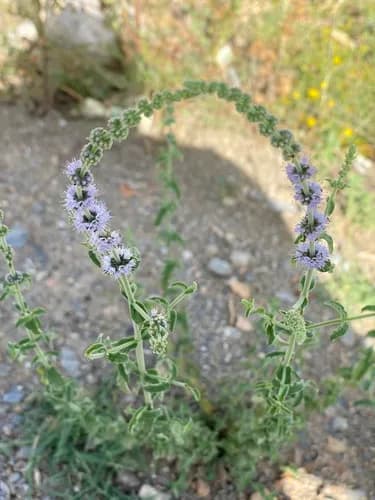
Pudina (पुदीना), commonly known as Mint, is a perennial aromatic herb belonging to the Lamiaceae family with the botanical name Mentha spicata or Mentha piperita. It is one of the most widely used culinary and medicinal herbs in both Ayurveda and global traditional medicine systems. Known for its characteristic cooling sensation, Pudina has been revered in Ayurveda for centuries for its ability to balance Pitta and Kapha doshas and support digestive, respiratory, and skin health.
Ayurvedic Properties of Pudina
| Property | Detail |
| --- | --- |
| Sanskrit Name | Pudina (पुदीना), Puthiha |
| Rasa (Taste) | Katu (Pungent), Tikta (Bitter) |
| Guna (Quality) | Laghu (Light), Ruksha (Dry), Tikshna (Sharp) |
| Virya (Potency) | Sita (Cooling) |
| Vipaka (Post-digestive) | Katu (Pungent) |
| Dosha Effect | Balances Pitta and Kapha; may aggravate Vata in excess |
| Part Used | Leaves, stems, essential oil |
Health Benefits of Pudina
- Supports Digestive Health Pudina is one of Ayurveda’s most trusted herbs for digestive complaints. Its carminative and antispasmodic properties help relieve bloating, gas, nausea, and indigestion by stimulating the secretion of digestive enzymes. The menthol in mint relaxes the smooth muscles of the gastrointestinal tract, providing quick relief from stomach cramps and discomfort.
- Relieves Respiratory Congestion As a natural expectorant and decongestant, Pudina helps clear mucus from the airways and sinuses, making it highly effective for coughs, colds, bronchitis, and asthma. Inhaling steam infused with fresh mint leaves or mint oil opens up blocked nasal passages and soothes inflamed respiratory mucosa. Its antimicrobial properties also help fight respiratory infections.
- Reduces Headaches and Mental Fatigue Pudina’s cooling and analgesic properties make it effective for tension headaches and mental fatigue. Topical application of mint-infused oil on the forehead provides a cooling, soothing sensation that reduces pain signals. Its refreshing aroma also promotes mental clarity, concentration, and reduces stress-related fatigue.
- Promotes Oral Hygiene Pudina has natural antibacterial properties that combat harmful bacteria in the mouth, preventing cavities, gum disease, and bad breath (Halitosis). Chewing fresh mint leaves or using mint-based preparations kills oral pathogens and freshens breath naturally. In Ayurveda, it is considered an excellent Mukha Shodhana (mouth purifying) herb.
- Supports Skin Health The anti-inflammatory and antimicrobial properties of Pudina make it beneficial for various skin conditions including acne, eczema, and minor irritations. Topical application of mint paste or juice soothes inflamed skin, reduces redness, and helps control excess sebum production. Its cooling nature also provides relief from sunburn and heat rash.
- Anti-inflammatory and Antioxidant Actions Pudina is rich in rosmarinic acid and flavonoids that exert potent antioxidant and anti-inflammatory effects throughout the body. These compounds help neutralize free radicals, reducing oxidative stress linked to chronic diseases. Regular consumption supports overall cellular health and immune function.
- Pitta and Kapha Balancing In Ayurvedic practice, Pudina is considered an excellent herb to pacify aggravated Pitta and Kapha doshas. It cools excess heat in the body (Pitta), clears congestion and mucus (Kapha), and promotes healthy digestion and circulation. Summer preparations with Pudina are especially recommended in Ayurveda for Pitta-type constitutions.
How to Use Pudina
| Form | Dosage | How to Take |
| --- | --- | --- |
| Fresh Leaves | 10–15 leaves | Chew directly or add to food and drinks; ideal for digestion and oral health |
| Pudina Tea (Infusion) | 1 teaspoon dried leaves | Steep in hot water for 5–10 minutes; drink 1–2 cups daily for digestion and respiratory health |
| Juice / Kadha | 20–30 ml | Fresh leaf juice diluted with water; taken before meals for digestive complaints |
| Essential Oil (Topical) | 2–3 drops diluted in carrier oil | Apply to temples for headache or chest for respiratory congestion |
Side Effects & Precautions
Pudina is generally safe for most people when consumed in food amounts. However, high doses of mint oil or concentrated preparations may aggravate Vata dosha, causing dryness and digestive irritation. People with gastroesophageal reflux disease (GERD) should avoid peppermint, as menthol can relax the lower esophageal sphincter and worsen acid reflux symptoms. Individuals with menthol sensitivity may experience allergic reactions. Pregnant and breastfeeding women should consult healthcare providers before using medicinal doses of Pudina. External use of undiluted mint oil can cause skin irritation, especially in those with sensitive skin.
Classical References
Pudina (Puthiha) is referenced in several Ayurvedic texts including the Bhavaprakasha Nighantu, where it is described as Deepaniya (digestive stimulant) and Kaphanashaka (Kapha-reducing). The Dhanvantari Nighantu also mentions it for its therapeutic use in Shula (colic pain) and Aruchi (anorexia). Classical Ayurvedic preparations such as Pudina Ark (mint distillate) and various Churnas incorporate Pudina for its digestive and carminative properties. It is classified under the Shaka Varga (leafy vegetables/herbs) group in classical Nighantu texts.
Frequently Asked Questions
Related Articles
Arka Pudina: Uses, Benefits, Dosage & Side Effects
Explore Arka Pudina in Ayurveda, including traditional uses, properties, preparation guidance, side effects and precautions.


Banyan Tree: Benefits, Uses & Ayurvedic Properties
The Banyan tree (Ficus benghalensis), sacred in Ayurveda as Vata Vriksha, is a powerful medicinal plant used for digestive health, skin conditions, diabetes, reproductive health, and wound healing. Explore its complete Ayurvedic profile.


Baheda: Benefits, Uses & Ayurvedic Properties
Baheda (Terminalia bellerica), known as Vibhitaki in Sanskrit, is one of Ayurveda's most powerful Tridosha-balancing herbs. A key component of Triphala, it supports digestive health, respiratory function, eye health, and diabetes management.