
Banyan Tree: Benefits, Uses & Ayurvedic Properties
The Banyan tree (Ficus benghalensis), sacred in Ayurveda as Vata Vriksha, is a powerful medicinal plant used for digestive health, skin conditions, diabetes, reproductive health, and wound healing. Explore its complete Ayurvedic profile.
Key Takeaways
- Leucocyanidin in Banyan bark shows alpha-glucosidase inhibition rivaling diabetes drugs.
- Traditional practice soaks aerial root powder overnight as a morning glycaemic tonic.
- Banyan bark’s high tannin content gives it powerful Stambhana action against chronic diarrhoea.
- Milky latex applied to wounds promotes epithelialisation and fights Staphylococcus aureus.
- India’s national tree, Banyan embodies Ayurveda’s ideal of a complete healing tree.
- Bark decoction washes manage eczema, psoriatic plaques, and fungal skin infections.
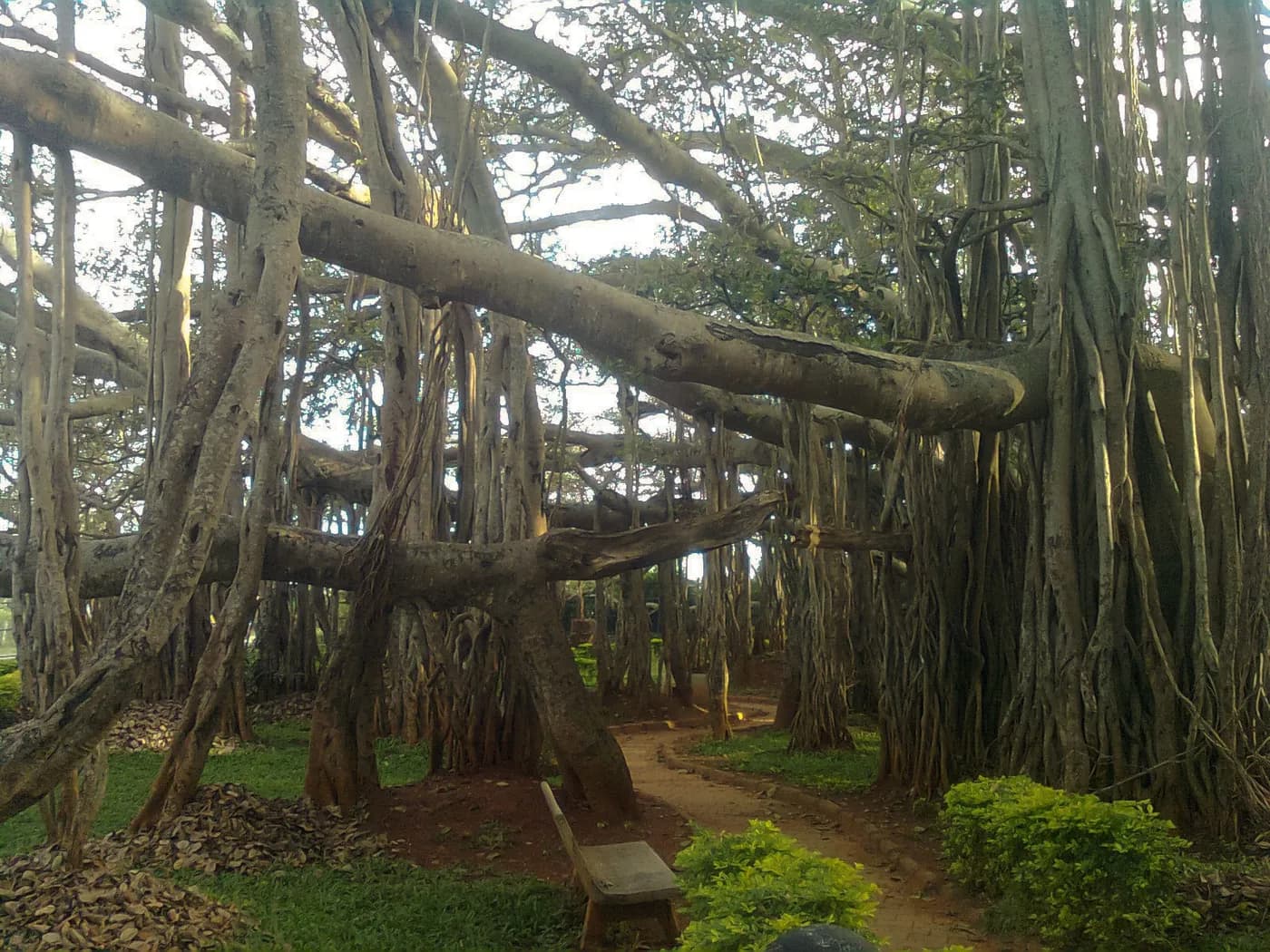
The Banyan tree (Sanskrit: Vata), known botanically as Ficus benghalensis, belongs to the Moraceae family and is native to the Indian subcontinent and Southeast Asia. India’s national tree, the Banyan is culturally sacred and medicinally comprehensive — every part including its aerial roots, bark, leaves, fruits, seeds, and milky latex is used therapeutically in Ayurveda. Revered for millennia for its longevity and resilience, it embodies the Ayurvedic ideal of a complete healing tree. Modern research confirms its rich phytochemical profile: flavonoids, tannins, sterols, triterpenoids, and leucocyanidin, validating traditional uses ranging from diabetes management to wound healing.
Ayurvedic Properties of Banyan
Health Benefits of Banyan
- Diabetes Management and Blood Sugar Control Banyan is one of Ayurveda’s most effective herbs for Madhumeha (diabetes mellitus). Scientific research has demonstrated that aqueous extracts of Banyan bark and aerial roots significantly reduce fasting and post-meal blood glucose by inhibiting intestinal glucose absorption and stimulating insulin secretion. The flavonoid leucocyanidin in the bark shows potent alpha-glucosidase inhibitory activity comparable to pharmaceutical antidiabetics. Traditional practice involves soaking aerial root powder in water overnight and consuming the filtered liquid each morning as a glycaemic tonic.
- Digestive Health and Diarrhoea Relief The bark’s high tannin content provides powerful Stambhana and Grahi action, making Banyan bark decoction one of Ayurveda’s primary remedies for chronic diarrhoea, dysentery, and irritable bowel syndrome. It tightens the intestinal mucosa, reduces inflammatory permeability, and inhibits pathogenic organisms. Tender leaf buds chewed raw help manage mouth ulcers and mild gastrointestinal inflammation simultaneously.
- Skin Health: Wounds, Infections, and Eczema Banyan latex is Ayurveda’s topical remedy for Vrana (wounds) and Kushtha (skin diseases). Applied directly to wounds, cuts, and abscesses, the milky sap promotes rapid epithelialisation through its astringent, antimicrobial, and haemostatic properties. Research confirms its efficacy against common wound pathogens including Staphylococcus aureus. A bark decoction used as a skin wash manages eczema, psoriatic plaques, and fungal infections by reducing inflammation and inhibiting microbial growth.
- Reproductive Health: Leucorrhoea and Fertility Banyan bark powder mixed with milk (Kshira paka preparation) is a classical treatment for Shweta pradara (leucorrhoea — white vaginal discharge). Its astringent tannins reduce abnormal secretions and strengthen the pelvic floor tissues. Banyan is also classified as Shukrala (spermatogenic), traditionally used to improve sperm count and motility in male infertility protocols. The aphrodisiac properties noted in classical texts are supported by modern research showing enhanced testosterone levels in animal studies.
- Oral Health and Gum Disease Like its Ficus relatives, Banyan bark and aerial roots are used as natural tooth-cleaning materials in rural India. The tannins and phenolics provide potent antimicrobial action against oral pathogens, reducing gingivitis, strengthening gum tissue, and preventing dental caries. A bark decoction used as a mouthwash manages bleeding gums, mouth ulcers, and throat infections effectively.
- Joint Pain and Rheumatic Conditions Warm Banyan leaf compresses applied to arthritic joints deliver anti-inflammatory triterpenoids and flavonoids directly through the skin, reducing swelling, stiffness, and pain in conditions classified as Amavata (rheumatoid arthritis) and Sandhi-vata (osteoarthritis). Bark decoction taken internally provides systemic anti-inflammatory support, addressing the Ama component of rheumatic disorders from within.
- Immune System and Antioxidant Support Banyan’s rich flavonoid and polyphenol content — including quercetin, rutin, and kaempferol — provides broad-spectrum antioxidant protection. These compounds neutralise free radicals, reduce systemic oxidative stress, and upregulate the body’s natural antioxidant enzymes. Regular low-dose use of Banyan products as a Rasayana-type supplement supports immune resilience, particularly beneficial for the elderly and those with chronic conditions.
How to Use Banyan
Side Effects and Precautions
Known Contraindications
- Severe constipation — astringent action may worsen dry bowel; maintain hydration
- Latex contact allergy — test on small skin area before topical use
- Hypoglycaemia risk when combined with antidiabetic medications
Drug Interactions
- May potentiate antidiabetic drug effects; monitor blood glucose closely
- May have mild anticoagulant properties; caution with blood thinners
Who Should Avoid
- Pregnant women — consult physician before use; safety not fully established
- Individuals with allergy to fig, rubber, or Moraceae family plants
- Those with extreme Vata imbalance should use with oleating anupana
Safe Dosage Range
Bark powder: 3–6 g twice daily. Bark decoction: 50–75 mL once or twice daily. Aerial root milk preparation: 1 cup (200 mL) daily. Topical latex: apply sparingly to affected area. Avoid internal use of raw latex in large quantities.
Classical Text References
Nyagrodha (Banyan) is described in Charaka Samhita (Sutrasthana) within the Nyagrodhadi gana — a group of ten astringent trees used for wound healing and Pitta disorders. Sushruta Samhita details its use in Shweta pradara and as a Shukrala herb. Ashtanga Hridayam references it in Prameha (diabetes) treatment protocols, and Bhavaprakasha Nighantu provides a comprehensive account of all its parts and their respective actions.
Related reads: Semal (Silk Cotton Tree): Benefits, Uses & Ayurvedic Properties · Peepal (Sacred Fig): Benefits, Uses & Ayurvedic Properties
The Banyan tree’s broad Ayurvedic use — for digestion, skin, blood sugar, and reproductive health — parallels the wide-reaching benefits often attributed to a consistent yoga practice, from twists that support gut function to postures associated with steadier metabolic health. The grounding, Vata-calming quality of this sacred tree also echoes the steadying effect regular asana practice has on the body. Habuild’s free yoga challenge is a good way to build that steady practice.
Frequently Asked Questions
Related Articles

Banafsha: Benefits, Uses & Ayurvedic Properties
Banafsha (Viola odorata / Sweet Violet) is a powerful Ayurvedic herb for cough, asthma, fever, and skin inflammation. Discover its benefits, dosage, and traditional uses.

Balarishta: Uses, Benefits, Dosage & Side Effects
Balarishta is a classical Ayurvedic Arishta formulation centred on Bala (Sida cordifolia), used for nervous system disorders, arthritis, muscle weakness, paralysis, and post-illness recovery. Explore its ingredients, benefits, dosage, and side effects.
.%2520Monika&w=3840&q=40)

Baheda: Benefits, Uses & Ayurvedic Properties
Baheda (Terminalia bellerica), known as Vibhitaki in Sanskrit, is one of Ayurveda's most powerful Tridosha-balancing herbs. A key component of Triphala, it supports digestive health, respiratory function, eye health, and diabetes management.