Revand Chini: Benefits, Uses & Ayurvedic Properties
Revand Chini (Rheum emodi), the Himalayan Rhubarb, is a potent Ayurvedic herb for liver detoxification, constipation, skin disorders, and blood.

Key Takeaways
- Its Persian-origin name means Chinese rhubarb, reflecting historic spice-trade routes.
- Anthraquinone glycosides stimulate intestinal peristalsis for chronic constipation relief.
- Stilbene glycosides and flavonoids provide significant systemic anti-inflammatory activity.
- Cholagogue action supports early-stage jaundice and hepatomegaly treatment protocols.
- Its emmenagogue properties help regulate irregular menstruation and amenorrhoea.
- Reddish stalks and bitter rhizomes come from this alpine Himalayan medicinal herb.
What is Revand Chini?
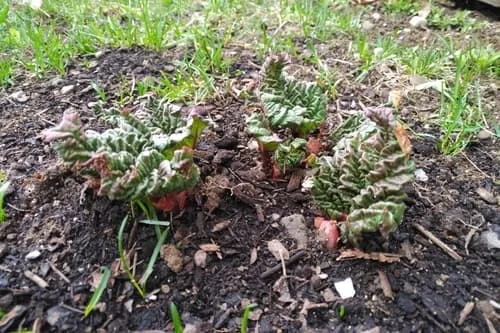
Revand Chini (Rheum emodi), commonly known as Himalayan Rhubarb, is a powerful medicinal herb native to the alpine regions of the Himalayas. In Ayurveda it is known as Amlaparni or Pitamula, while the Persian-origin name Revand Chini (meaning “Chinese rhubarb”) reflects its historical trade route significance. The herb is particularly notable for its reddish stalks and bitter rhizomes, rich in anthraquinones and tannins that confer potent purgative, astringent, and hepatoprotective activities.
Ayurvedic Properties of Revand Chini
| Property | Detail |
| --- | --- |
| Sanskrit Name | Amlaparni / Pitamula / Revand (रेवंड चीनी) |
| Rasa (Taste) | Tikta (Bitter), Kashaya (Astringent), Amla (Sour) |
| Guna (Quality) | Laghu (Light), Ruksha (Dry) |
| Virya (Potency) | Ushna (Hot) at higher doses; Sheeta (Cooling) at lower doses |
| Vipaka (Post-digestive) | Katu (Pungent) |
| Dosha Effect | Primarily pacifies Pitta; also reduces Kapha |
| Part Used | Rhizome (root), Stalks |
Health Benefits of Revand Chini
- Digestive Health and Constipation Revand Chini is a classical laxative herb used to treat chronic constipation, indigestion, and intestinal sluggishness. Its anthraquinone glycosides stimulate intestinal peristalsis, promoting effective bowel evacuation without harsh side effects when used in appropriate doses.
- Liver Protection and Detoxification The herb is highly valued in Ayurveda for its liver-protective properties. It stimulates bile flow (cholagogue action), supports hepatic detoxification, and is used in classical formulations addressing liver congestion, early-stage jaundice, and hepatomegaly.
- Skin Disorder Management Internal toxins manifesting as skin disorders like acne, eczema, and psoriasis respond well to Revand Chini’s blood-purifying and liver-cleansing actions. Regular use in classical formulations helps clear Pitta-type skin conditions from their root cause.
- Anti-inflammatory Effects Revand Chini contains stilbene glycosides and flavonoids that exhibit significant anti-inflammatory activity. It is used in formulations to address systemic inflammation, particularly conditions associated with excess Pitta dosha.
- Antimicrobial Action The herb’s bioactive compounds demonstrate broad-spectrum antimicrobial activity against bacteria and fungi. It is traditionally used for intestinal infections, dysentery, and microbial-related digestive disturbances.
- Blood Purification As a Rakta-shodhaka (blood purifier), Revand Chini helps eliminate circulating toxins from the bloodstream. This action supports the management of chronic inflammatory conditions and metabolic disorders rooted in impure blood.
- Menstrual Health Revand Chini’s emmenagogue (uterine stimulant) properties have been utilised to regulate irregular menstruation and address amenorrhoea (absent periods). It promotes healthy menstrual flow and reduces associated discomfort when used carefully under supervision.
How to Use Revand Chini
| Form | Dosage | How to Take |
| --- | --- | --- |
| Rhizome Powder (Churna) | 1–3 g | With warm water at bedtime for constipation; with honey in the morning for liver health |
| Decoction (Kwatha) | 50–100 ml | Twice daily for digestive and skin disorders |
| Classical Formulations | As directed by Vaidya | Found in formulations like Avipattikar Churna and Arogyavardhini Vati |
| Tincture/Extract | 2–5 ml | Diluted in water, taken after meals for liver support |
Side Effects & Precautions
Revand Chini should be used with caution due to its potent action. High doses can cause abdominal cramps, diarrhea, and electrolyte imbalances. It is contraindicated in gastric ulcers, as it may irritate the stomach lining. Individuals with kidney disease should avoid it due to its strong diuretic effect. Pregnant and breastfeeding women must not use Revand Chini, as its emmenagogue action can stimulate the uterus. Long-term use may cause laxative dependence. Always consult an Ayurvedic practitioner before therapeutic use.
Classical References
Revand Chini (Amlaparni/Pitamula) features in the Charaka Samhita among liver-protective and purgative herbs. Ashtanga Hridayam references it for Pitta disorders and hepatic conditions. The herb is also cited in Bhavaprakasha Nighantu for its blood-purifying and skin-clearing properties. It is a key ingredient in classical formulations like Avipattikar Churna, Arogyavardhini Vati, and Mahatiktaka Ghrita used for liver disorders and chronic skin diseases.
Frequently Asked Questions
Related Articles

Bharangi: Benefits, Uses & Ayurvedic Properties
Bharangi (Clerodendrum serratum) is a classical Ayurvedic herb for asthma, sinusitis, and chronic cough. Explore its properties, dosage, and evidence-based respiratory benefits.

Banafsha: Benefits, Uses & Ayurvedic Properties
Banafsha (Viola odorata / Sweet Violet) is a powerful Ayurvedic herb for cough, asthma, fever, and skin inflammation. Discover its benefits, dosage, and traditional uses.

Badi Elaichi (Large Cardamom): Benefits, Uses & Ayurvedic Properties
Badi Elaichi (Amomum subulatum), Black or Large Cardamom, is an Ayurvedic spice herb prized for digestive, respiratory, and cardiac support. Learn its Ayurvedic properties, health benefits, and how to use it safely.