Shankhpushpi: Benefits, Uses & Ayurvedic Properties
Explore the complete Ayurvedic profile of Shankhpushpi — the premier brain tonic herb for memory, stress, sleep, and nervous system health, with.

Key Takeaways
- Charaka Samhita’s Medhya Rasayana chapter credits it with enhancing Dhi, Dhriti, and Smriti.
- Has served as a cornerstone brain tonic and nervine formulation for over two thousand years.
- Ashtanga Hridayam recommends it specifically for Unmada and chronic Avasada, depression.
- Classified as Nidrajanana, sleep-inducing, taken as powder with warm milk before bed.
- Bhavaprakasha Nighantu recommends it for insomnia rooted in anxiety, overwork, or grief.
- Classical formulations for Galaganda, thyroid-related swelling, often include this herb.
What is Shankhpushpi?
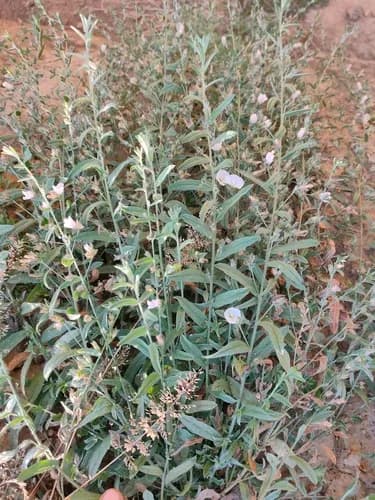
Shankhpushpi, known botanically as Convolvulus pluricaulis (and sometimes Evolvulus alsinoides), is one of Ayurveda’s most celebrated Medhya Rasayana — a class of herbs that rejuvenate the mind and enhance cognitive function. The name “Shankhpushpi” derives from Sanskrit: Shankha (conch shell) and Pushpi (flowering plant), referring to the conch-shaped white flowers the plant bears. This creeping perennial herb grows wild across India, particularly in dry, sandy regions, and the entire plant — roots, leaves, flowers, and stem — is used medicinally. It has been a cornerstone of traditional brain tonics and nervine formulations for over two thousand years.
Ayurvedic Properties of Shankhpushpi
| Property | Detail |
| --- | --- |
| Sanskrit Name | Shankhapushpi (शङ्खपुष्पी) |
| Rasa (Taste) | Tikta (Bitter), Kashaya (Astringent), Madhura (Sweet) |
| Guna (Quality) | Snigdha (Unctuous), Picchila (Slimy) |
| Virya (Potency) | Sheeta (Cooling) |
| Vipaka (Post-digestive) | Madhura (Sweet) |
| Dosha Effect | Tridosha Shamaka — balances Vata, Pitta, and Kapha |
| Part Used | Whole plant (Sampurna Panchanga) |
Health Benefits of Shankhpushpi
- Memory Enhancement and Cognitive Support Shankhpushpi is the pre-eminent Medhya (intellect-promoting) herb in Ayurveda, described as such in Charaka Samhita’s Medhya Rasayana chapter. It enhances all four components of cognitive function recognised in Ayurveda: Dhi (learning/acquisition), Dhriti (retention), and Smriti (recall). The herb promotes the formation of new neural connections by nourishing Majja Dhatu (nerve tissue) and is traditionally given to students and individuals experiencing memory decline. Its cooling nature also reduces the mental agitation that impairs concentration.
- Stress and Anxiety Relief As a Manasika Rasayana (mind rejuvenator), Shankhpushpi is highly effective in managing Chittodvega (anxiety) and chronic mental stress. Its Sheeta Virya calms the overactivated Vata that underlies nervousness, racing thoughts, and restlessness. Ashtanga Hridayam recommends Shankhpushpi as part of formulations for Unmada (mental disturbances) and chronic Avasada (depression). Regular use as a tonic normalises the stress response and promotes a sustained sense of mental calm without sedation.
- Sleep Improvement (Nidrajanana) Shankhpushpi is classified as Nidrajanana (sleep-inducing) in several classical texts, making it valuable for managing insomnia and disrupted sleep. Unlike harsh sedatives, its action is gentle — it reduces the nervous overstimulation and excess Vata movement in the mind that prevents restful sleep. A traditional preparation involves taking Shankhpushpi powder or syrup with warm milk before bedtime. Bhavaprakasha Nighantu specifically recommends it for individuals whose insomnia is rooted in anxiety, mental overwork, or grief.
- Thyroid Regulation Support Classical Ayurvedic formulations for Galaganda (thyroid-related swelling) often include Shankhpushpi as a key ingredient. The herb is believed to normalise the function of the endocrine system by reducing the Kapha-Vata imbalance associated with hypothyroidism. Its cooling, nourishing properties help regulate the metabolic disruption that accompanies thyroid dysfunction. While modern research is ongoing, traditional practitioners continue to use Shankhpushpi as part of comprehensive thyroid management protocols.
- Anti-epileptic and Nervous System Protection Shankhpushpi has a long history of use in Apasmara (epilepsy) management in classical Ayurveda. Charaka Samhita includes it in formulations for convulsive disorders, attributing its effectiveness to its ability to calm Vata in the Majja Vaha Srotas (nervous system channels). The alkaloids present in Shankhpushpi — including shankhpushpine — are thought to have anticonvulsant activity. Regular use is recommended as a supportive nervous system tonic alongside primary treatment in neurological conditions.
- Digestive and Bowel Regulation Beyond its mental benefits, Shankhpushpi also acts on the gastrointestinal tract as a mild laxative and digestive regulator. Its Snigdha (unctuous) and Picchila (slimy) properties lubricate the gut wall, promoting smooth bowel movement and relieving constipation associated with dry Vata. The herb is indicated in Grahani (irritable bowel syndrome) in classical texts, where it helps normalise the erratic digestive fire and reduce intestinal inflammation.
- Blood Pressure Management Shankhpushpi is one of the few Ayurvedic herbs specifically mentioned in traditional contexts for Raktagata Vata — a condition analogous to hypertension. Its vasodilatory and nervine properties help reduce the vascular tension and stress-driven elevation of blood pressure. As a Tridosha-balancing herb with particular efficacy on Vata and Pitta, it addresses two of the three primary doshic imbalances that contribute to cardiovascular dysfunction. It is commonly included in Ayurvedic cardiac tonics for stress-related hypertension.
How to Use Shankhpushpi
| Form | Dosage | How to Take |
| --- | --- | --- |
| Shankhpushpi Powder (Churna) | 3–6 g per day | Mix with honey or warm milk; take twice daily after meals |
| Shankhpushpi Syrup | 10–20 ml per day | Take with equal water; commonly given to children and elderly |
| Shankhpushpi Kwatha (Decoction) | 50–80 ml per day | Boil 10 g dried herb in 400 ml water; reduce to 100 ml; take in divided doses |
| Shankhpushpi Ghrita | 5–10 g per day | Take with warm milk; ideal for Vata-dominant individuals and children |
Side Effects & Precautions
Shankhpushpi is considered one of the safest Ayurvedic herbs and is suitable for all ages including children, when given in appropriate doses. However, individuals on antiepileptic medications (particularly phenytoin) should exercise caution, as some studies suggest Shankhpushpi may reduce the absorption and efficacy of phenytoin when taken simultaneously. Pregnant women should consult an Ayurvedic physician before use. In very high doses, the herb may cause excessive sedation in sensitive individuals. Those with severely impaired digestion (Mandagni) should start with low doses and build up gradually.
Classical References
Charaka Samhita (Chikitsasthana 1.3) lists Shankhpushpi as one of the four primary Medhya Rasayana herbs, recommending it as a fresh plant juice (Swarasa) for maximum cognitive benefit. Ashtanga Hridayam (Uttarasthana 6) of Vagbhata describes Shankhpushpi in the context of Medhya formulations for mental disorders and epilepsy. Bhavaprakasha Nighantu (Guduchyadi Varga) details its Tridosha-balancing properties and recommends it for conditions ranging from fever to insomnia to thyroid disorders. Sushruta Samhita mentions Shankhpushpi as part of Medhya compound formulations for neurological rejuvenation.
Frequently Asked Questions
Related Articles

Bharangi: Benefits, Uses & Ayurvedic Properties
Bharangi (Clerodendrum serratum) is a classical Ayurvedic herb for asthma, sinusitis, and chronic cough. Explore its properties, dosage, and evidence-based respiratory benefits.

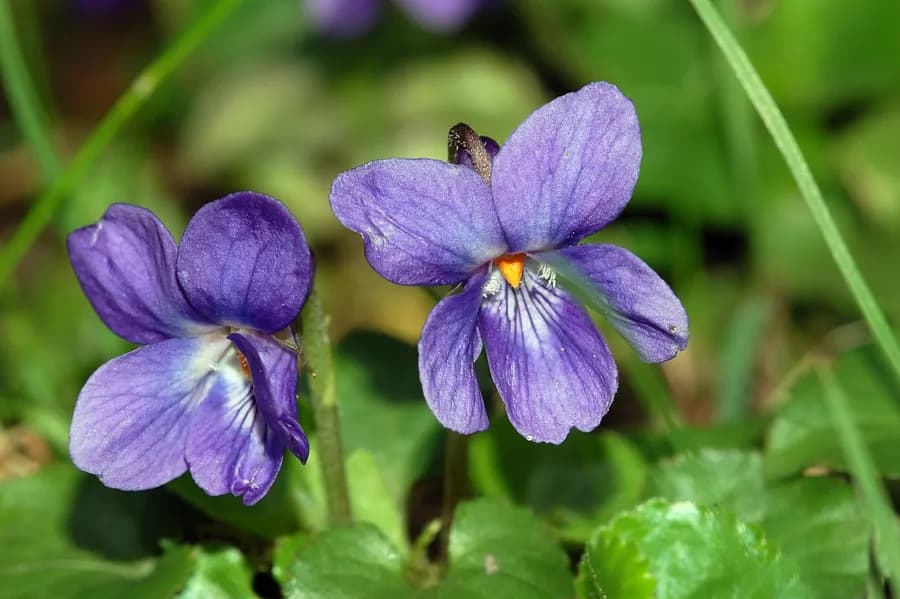
Banafsha: Benefits, Uses & Ayurvedic Properties
Banafsha (Viola odorata / Sweet Violet) is a powerful Ayurvedic herb for cough, asthma, fever, and skin inflammation. Discover its benefits, dosage, and traditional uses.
Badi Elaichi (Large Cardamom): Benefits, Uses & Ayurvedic Properties
Badi Elaichi (Amomum subulatum), Black or Large Cardamom, is an Ayurvedic spice herb prized for digestive, respiratory, and cardiac support. Learn its Ayurvedic properties, health benefits, and how to use it safely.