Sowa: Benefits, Uses & Ayurvedic Properties
Learn about Sowa (Shatapushpa / Anethum sowa — Indian Dill). Explore its Ayurvedic properties, benefits for digestion, women’s health, blood sugar, and.

Key Takeaways
- Its Sanskrit name Shatapushpa means hundred flowers, describing its umbrella-shaped clusters.
- Carvone and limonene relax intestinal muscle, making it a classical remedy for infant colic.
- Classical texts recommend it specifically for artava kshaya, or scanty menstruation.
- Also supports stanya, enhancing breast milk production in nursing mothers.
- Experimental studies show it improves insulin sensitivity for Prameha, or diabetes.
- Regular seed use is linked to modest reductions in total cholesterol and LDL levels.
What is Sowa?
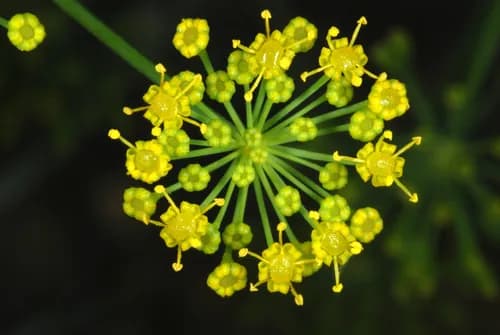
Sowa, known in Sanskrit as Shatapushpa (शतपुष्पा) or Mishreya, is an important aromatic herb in Ayurveda with the botanical name Anethum sowa (Indian Dill). It is a feathery annual herb belonging to the carrot family (Apiaceae), native to South Asia and widely cultivated across India for both culinary and medicinal purposes. The Sanskrit name Shatapushpa means “hundred flowers,” reflecting the herb’s characteristic umbrella-shaped flower clusters (umbels).
Ayurvedic Properties of Sowa
| Property | Detail |
| --- | --- |
| Sanskrit Name | Shatapushpa (शतपुष्पा), Mishreya |
| Rasa (Taste) | Katu (Pungent), Tikta (Bitter) |
| Guna (Quality) | Laghu (Light), Tikshna (Sharp), Snigdha (Slightly unctuous) |
| Virya (Potency) | Ushna (Hot) |
| Vipaka (Post-digestive) | Katu (Pungent) |
| Dosha Effect | Balances Vata and Kapha; mild Pitta stimulation |
| Part Used | Seeds, leaves, essential oil |
Health Benefits of Sowa
- Digestive Health and Carminative Action Sowa is one of Ayurveda’s premier carminative herbs, highly effective for relieving gas, bloating, flatulence, and colic. Its volatile oils — particularly carvone and limonene — relax intestinal smooth muscle, promote the expulsion of trapped gas, and stimulate digestive enzymes. It is commonly given to infants and young children for colic, and to adults for irritable bowel-type digestive complaints.
- Women’s Health and Menstrual Regulation Shatapushpa is a deeply revered herb in Ayurvedic gynaecology. It acts as an emmenagogue (menstrual flow promoter), helps regulate irregular menstruation, relieves menstrual cramps (dysmenorrhoea), and supports lactation in nursing mothers. Classical texts specifically recommend Shatapushpa in formulations for artava kshaya (scanty menstruation) and stanya (breast milk) enhancement.
- Anti-inflammatory and Joint Health Sowa’s hot potency and anti-inflammatory essential oils make it beneficial for managing joint pain, arthritis, and muscular aches. When used externally as dill essential oil diluted in carrier oil, it provides warming relief to inflamed joints. Internally, it helps reduce systemic inflammation contributing to chronic pain conditions.
- Blood Sugar Management Sowa has demonstrated blood sugar-lowering effects in experimental studies, supporting its traditional use in managing prameha (metabolic disorders including diabetes) in Ayurveda. Its compounds help improve insulin sensitivity and regulate glucose metabolism, making it a useful adjunct herb for metabolic health.
- Cholesterol and Cardiovascular Support Regular use of Sowa seeds has been associated with modest reductions in total cholesterol and LDL levels in clinical observations. The flavonoids and volatile oils in dill contribute to cardiovascular health by reducing oxidative stress, improving lipid profiles, and supporting healthy blood circulation.
- Liver Function and Detoxification Sowa stimulates liver enzyme activity and promotes bile production, supporting efficient fat digestion and detoxification. Its antioxidant compounds help protect liver cells from damage caused by free radicals and environmental toxins. Classical Ayurvedic formulations for liver health often include Shatapushpa as a supporting herb.
How to Use Sowa
| Form | Dosage | How to Take |
| --- | --- | --- |
| Seed powder (Churna) | 1–3 g twice daily | Mix with warm water or buttermilk; take after meals for digestion |
| Seed decoction (Kwatha) | 30–50 ml twice daily | Boil 5 g seeds in 200 ml water; reduce to 50 ml; strain and drink warm |
| Fresh herb in cooking | As desired (1–2 tbsp daily) | Add fresh or dried leaves to food as seasoning for digestive benefits |
| Dill water (Arkatype preparation) | 15–30 ml as needed | Traditional gripe water equivalent for infant colic and adult gas relief |
Side Effects & Precautions
Sowa is generally very safe when used in culinary amounts. Therapeutic doses should be avoided during pregnancy as Shatapushpa may stimulate uterine contractions. People with allergies to plants in the Apiaceae family (carrots, celery, fennel) may experience cross-reactions. Those with low blood pressure should use it cautiously as it may mildly lower blood pressure. Avoid use in very high doses as prolonged high-dose consumption may cause photosensitivity.
Classical References
Shatapushpa is mentioned prominently in Charaka Samhita (Chikitsasthana 30) in the context of gynaecological disorders, where it is recommended for promoting menstrual flow and enhancing milk production. Sushruta Samhita includes it in the Shatapushpadi gana for abdominal and urinary conditions. Ashtanga Hridayam recommends Shatapushpa as a key herb in stanyajanana (lactation-promoting) formulations. Bhavaprakasha Nighantu describes its properties in the Haritakyadi varga, noting its carminative, digestive, and uterine-stimulating actions.
Frequently Asked Questions
Related Articles

Bharangi: Benefits, Uses & Ayurvedic Properties
Bharangi (Clerodendrum serratum) is a classical Ayurvedic herb for asthma, sinusitis, and chronic cough. Explore its properties, dosage, and evidence-based respiratory benefits.


Banafsha: Benefits, Uses & Ayurvedic Properties
Banafsha (Viola odorata / Sweet Violet) is a powerful Ayurvedic herb for cough, asthma, fever, and skin inflammation. Discover its benefits, dosage, and traditional uses.

Badi Elaichi (Large Cardamom): Benefits, Uses & Ayurvedic Properties
Badi Elaichi (Amomum subulatum), Black or Large Cardamom, is an Ayurvedic spice herb prized for digestive, respiratory, and cardiac support. Learn its Ayurvedic properties, health benefits, and how to use it safely.