Suhaga: Benefits, Uses & Ayurvedic Properties
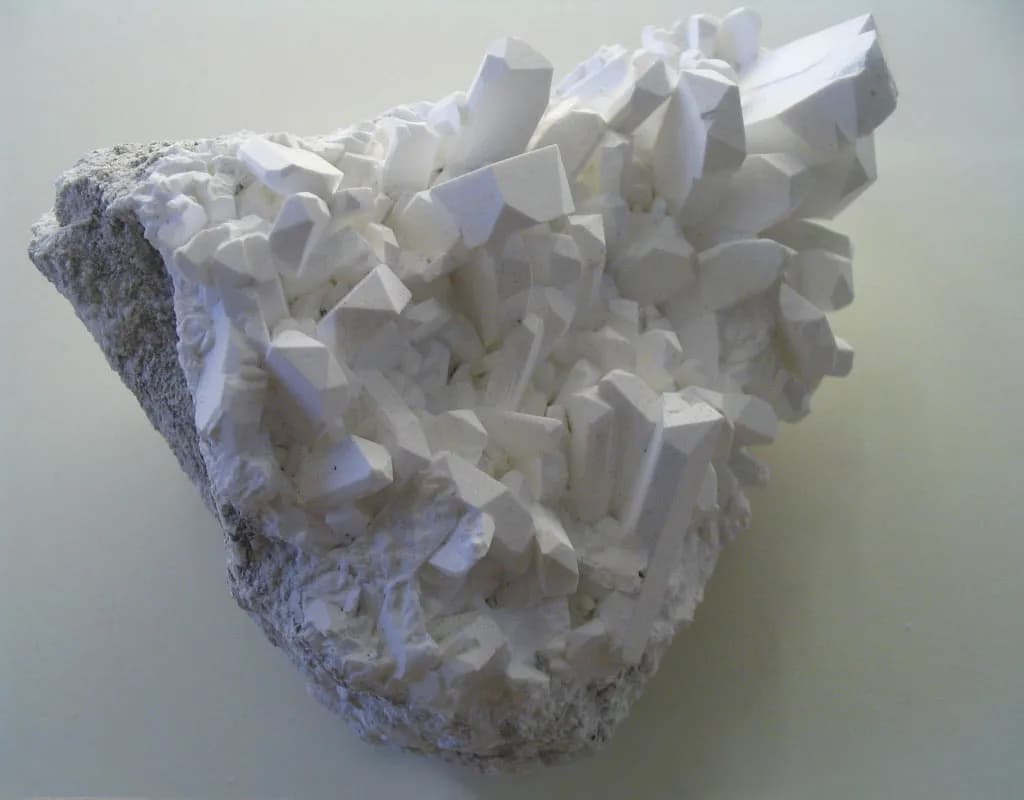
Suhaga (Borax / Sodium Tetraborate) is a classical Ayurvedic mineral used for digestive disorders, eye health, oral care, respiratory conditions, and.

Key Takeaways
- Purified into Tankan Bhasma through Shodhana before any therapeutic use in Ayurveda.
- Its alkaline nature raises gastric pH, offering rapid relief from heartburn and GERD.
- Combined with Amla and Yashthimadhu for sustained relief in Amlapitta, hyperacidity.
- Thins sticky mucus in chronic cough, bronchitis, and asthma through its alkaline property.
- Rubbed on gums to treat pyorrhoea, gingivitis, and oral candidiasis since antiquity.
- Research confirms broad-spectrum antimicrobial activity against oral pathogens.
Suhaga (सुहागा), known in modern chemistry as Borax (Sodium Tetraborate Decahydrate, Na₂B₄O₇·10H₂O), is a naturally occurring mineral found in Himalayan salt deposits in India, Pakistan, and Tibet. In Ayurveda, Suhaga belongs to the Kshara Varga (alkaline minerals) and is prepared through purification (Shodhana) into Tankan Bhasma before therapeutic use. Ayurveda uses it as an antacid, mucolytic, antifungal, astringent, and anti-inflammatory agent. Modern research validates its antiseptic, antifungal, and anti-inflammatory properties.
Ayurvedic Properties of Suhaga
| Property | Value |
| --- | --- |
| Sanskrit Name | Tankan (टंकण), Suvarna Kshara, Rangitak |
| Other Names | Suhaga (Hindi), Borax (English), Sodium Tetraborate, Tincar (Urdu) |
| Botanical Name | N/A (mineral compound — Sodium Tetraborate Decahydrate) |
| Plant Family | Kshara Varga (mineral/alkaline group) |
| Part Used | Purified crystalline mineral (Tankan Bhasma) |
| Rasa (Taste) | Kshara (alkaline/saline), Tikta (bitter) |
| Guna (Quality) | Laghu (light), Tikshna (sharp/penetrating) |
| Virya (Potency) | Ushna (hot) in raw form; sheeta-ushna in purified Bhasma |
| Vipaka | Katu (pungent post-digestive) |
| Doshic Action | Pitta-Kapha shamaka; clears Ama from respiratory and digestive channels |
| Primary Action | Kaphahara (reduces Kapha/mucus), Shothahara (anti-inflammatory), Krimighna (antimicrobial), Chakshushya (eye tonic) |
Health Benefits of Suhaga
- Digestive Health — Antacid and Carminative Suhaga (Tankan Bhasma) acts as a natural antacid, neutralising excess stomach acid and providing rapid relief from heartburn, acid reflux (GERD), and gastritis. Its alkaline nature raises gastric pH, while its Deepana properties stimulate healthy enzyme secretion for subsequent digestion. In Ayurvedic formulations for Amlapitta (hyperacidity), Tankan Bhasma is combined with Amla and Yashthimadhu (licorice) to provide sustained acid-neutralisation and mucosal healing. It also relieves abdominal bloating and flatulence through its carminative action.
- Respiratory Health — Mucolytic and Expectorant Suhaga is one of Ayurveda’s most effective Kaphahara (mucus-reducing) minerals, used for chronic cough, bronchitis, and asthma with thick, sticky phlegm. Its alkaline property thins mucus secretions, making them easier to expectorate, while its antimicrobial activity prevents secondary bacterial infection in the airways. Classical formulations like Tankan Bhasma with honey and ginger are used for stubborn productive coughs. Traditional formulations for Shwasa (asthma) include Tankan as a bronchial-clearing ingredient.
- Oral Health — Antibacterial and Antifungal Suhaga has been used in Ayurvedic dentistry since antiquity for its antiseptic, antifungal, and tooth-whitening properties. Tankan Bhasma powder is rubbed on gums and teeth to treat pyorrhoea, gingivitis, dental caries, and aphthous ulcers (mouth sores). Its antifungal activity effectively addresses oral candidiasis (thrush). Modern research confirms borax’s broad-spectrum antimicrobial activity against oral pathogens including Streptococcus mutans, Candida albicans, and Staphylococcus aureus. Complete Care toothpaste formulations in Ayurvedic brands frequently include Tankan Bhasma for its proven oral health benefits.
- Eye Health — Chakshushya and Anti-Inflammatory Suhaga prepared as a sterile solution (Tankan eye wash) is a classical Ayurvedic treatment for conjunctivitis, blepharitis, eye irritation, and early-stage trachoma. Its alkaline anti-inflammatory and antibacterial properties soothe inflamed conjunctiva, reduce redness, and clear discharge from eye infections. Classical texts prescribe Tankan-based Netra Bindu (eye drops) for a variety of Netra Roga (eye disorders). Modern clinical use in Ayurvedic hospitals confirms its safety and efficacy as an eye wash when properly diluted and sterilised.
- Skin Conditions and Antifungal Action Topical application of Tankan Bhasma paste effectively manages ringworm, athlete’s foot, dandruff, and other fungal skin infections through its potent antifungal activity. Its alkaline nature disrupts the pH environment required for fungal growth. For dandruff, Suhaga is combined with coconut oil and applied to the scalp. For eczema and psoriasis with secondary infection, Tankan paste reduces both the inflammatory component and microbial burden. Clinical studies in Ayurvedic dermatology confirm its superiority to conventional antifungals for recurrent scalp infections.
- Uterine Health and Gynaecological Applications In Ayurvedic gynaecology, Tankan Bhasma is used as a Garbhashaya shodhana (uterine cleanser) and for managing dysmenorrhoea and uterine infections. Its antimicrobial and anti-inflammatory properties address the root cause of pelvic inflammatory disease and cervicitis when used in appropriate Ayurvedic formulations. A classical preparation called Tankan Bhasma with Ashoka and Lodhra is used for uterine conditions characterised by inflammation and discharge.
How to Use Suhaga
| Form | Preparation | Dosage | Best Time |
| --- | --- | --- | --- |
| Tankan Bhasma (internal) | Purified Suhaga calcined to bhasma | 125–250 mg with honey, ghee, or water | After meals, twice daily |
| Oral powder (dental) | Fine Tankan Bhasma powder | Apply small amount on toothbrush or gums | Morning dental routine |
| Eye wash (Netra Dhavana) | 1% sterile solution in distilled water (prepared by Ayurvedic pharmacist) | 2–3 drops or eye rinse | Morning for eye conditions |
| Topical paste | Tankan Bhasma powder + coconut oil or water | Apply thin layer to affected area | For skin/fungal conditions, twice daily |
| Gargle solution | Dissolve small amount in warm water | 1–2 times daily gargle | For throat infections, mouth ulcers |
Side Effects and Precautions
Known Contraindications
- Active peptic ulcer or gastritis — may aggravate irritated mucosa at higher doses
- Kidney disease — Suhaga is excreted by the kidneys; impaired renal function may lead to accumulation
- Sensitive skin — may cause contact dermatitis in individuals with reactive skin; patch test recommended
Drug Interactions
- Alkaline drugs (sodium bicarbonate, antacids) — additive alkalinisation; monitor pH-sensitive drug absorption
- Lithium therapy — borax can alter lithium clearance; contraindicated in patients on lithium medication
- NSAIDs — concomitant use in gastric conditions warrants caution
Who Should Avoid
- Pregnant and breastfeeding women — high-dose boric acid has demonstrated embryotoxicity in animal studies; avoid without strict medical guidance
- Children under 12 for internal use without expert supervision
- Individuals with known boron sensitivity or allergy
Safe Dosage Range
Internal (Tankan Bhasma): 125–250 mg twice daily after meals — well within safe Ayurvedic therapeutic range. Topical and oral hygiene use: safe at standard preparations. Industrial borax is NOT the same as Ayurvedic Tankan Bhasma — never substitute.
Classical Text References
Charaka Samhita (Chikitsa Sthana 5) mentions Tankan as an Ama-pachana and Kaphahara dravya. Sushruta Samhita (Sutrasthana 46) lists it as Kshara Gana (alkaline mineral group). Rasa Ratna Samuchchaya and Rasendra Chintamani provide detailed Tankan Bhasma preparation methods (Shodhana and Marana processes) and therapeutic indications.
Frequently Asked Questions
Related Articles

Bharangi: Benefits, Uses & Ayurvedic Properties
Bharangi (Clerodendrum serratum) is a classical Ayurvedic herb for asthma, sinusitis, and chronic cough. Explore its properties, dosage, and evidence-based respiratory benefits.

Banafsha: Benefits, Uses & Ayurvedic Properties
Banafsha (Viola odorata / Sweet Violet) is a powerful Ayurvedic herb for cough, asthma, fever, and skin inflammation. Discover its benefits, dosage, and traditional uses.

Badi Elaichi (Large Cardamom): Benefits, Uses & Ayurvedic Properties
Badi Elaichi (Amomum subulatum), Black or Large Cardamom, is an Ayurvedic spice herb prized for digestive, respiratory, and cardiac support. Learn its Ayurvedic properties, health benefits, and how to use it safely.