
Tea Tree Oil: Benefits, Uses & Ayurvedic Properties
Tea Tree Oil is a powerful essential oil with broad-spectrum antimicrobial, antifungal, and anti-inflammatory properties. Discover how Ayurveda uses this.

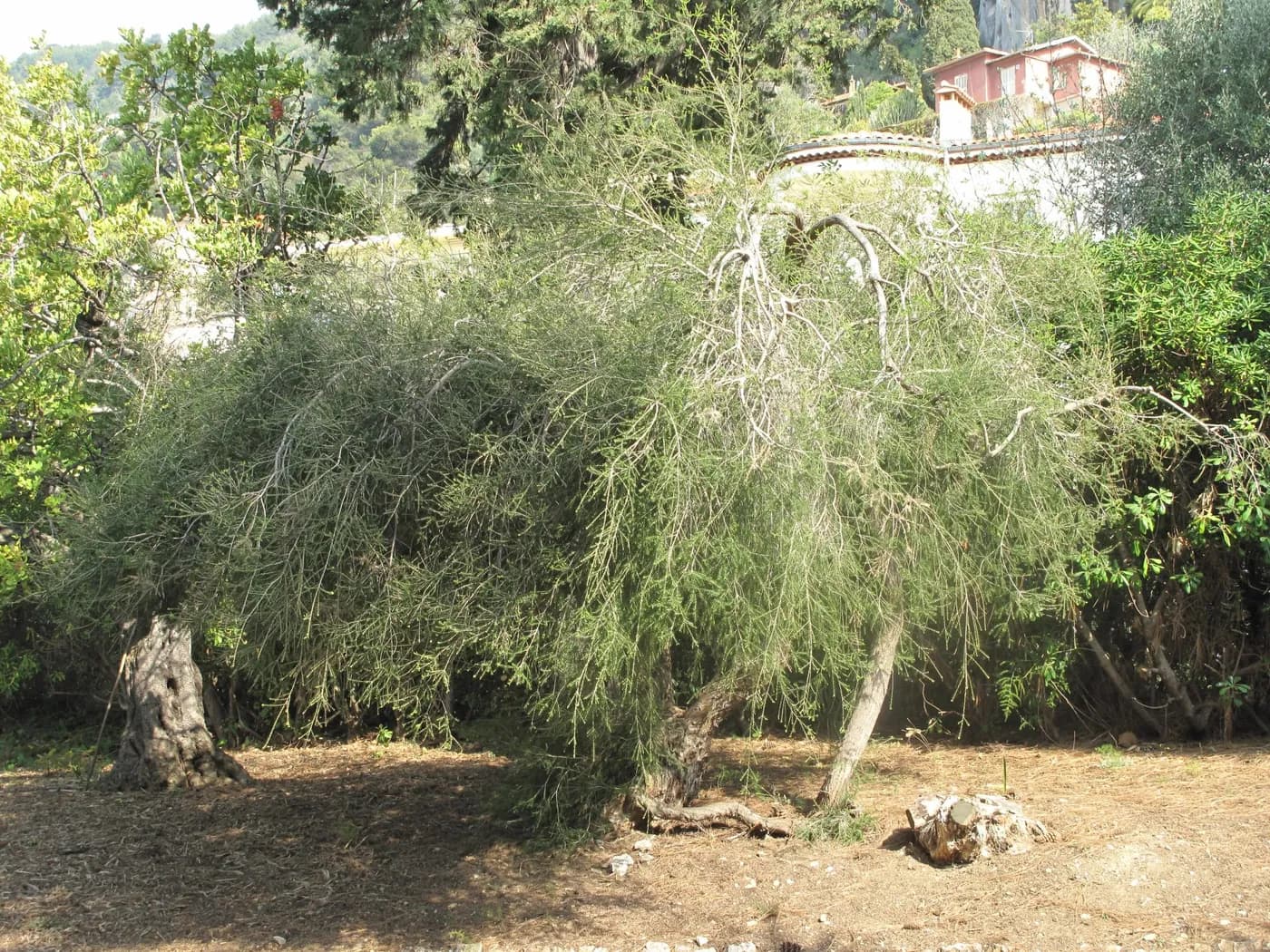
Key Takeaways
- Not a classical Ayurvedic herb, but steam-distilled from Melaleuca alternifolia leaves in Australia.
- Its compound terpinen-4-ol disrupts bacterial membranes, inhibiting even MRSA strains.
- Clinically validated against acne, comparable to benzoyl peroxide with fewer side effects.
- A 5% shampoo significantly reduces dandruff severity caused by Malassezia fungus.
- Well-studied for treating onychomycosis, or fungal nail infections, applied twice daily.
- Aligns with Ayurvedic Krimighna, Kushtaghna, and Shothahara categories despite its modern origin.
What is Tea Tree Oil?
Tea Tree Oil is a potent essential oil steam-distilled from the leaves of Melaleuca alternifolia, a small tree native to Australia. While not a classical Ayurvedic herb, it has been widely incorporated into modern Ayurvedic practice due to its exceptional antimicrobial, antifungal, antiviral, and anti-inflammatory properties. Known in Sanskrit-inspired practice as Tea Tree Tel (टी ट्री तेल), it aligns with Ayurvedic principles of Krimighna (anti-microbial), Kushtaghna (anti-skin disease), and Shothahara (anti-inflammatory) herbs.
Ayurvedic Properties of Tea Tree Oil
| Property | Detail |
| --- | --- |
| Sanskrit Name | Tea Tree Tel (टी ट्री तेल) — contemporary nomenclature |
| Rasa (Taste) | Tikta (Bitter), Katu (Pungent) |
| Guna (Quality) | Laghu (Light), Tikshna (Sharp), Ruksha (Dry) |
| Virya (Potency) | Ushna (Hot) |
| Vipaka (Post-digestive) | Katu (Pungent) |
| Dosha Effect | Kapha-Pitta Shamak; can aggravate Vata if used excessively or undiluted |
| Part Used | Leaves (essential oil extracted by steam distillation) |
Health Benefits of Tea Tree Oil
- Powerful Antimicrobial Action Tea Tree Oil’s primary active compound, terpinen-4-ol, disrupts bacterial cell membranes and inhibits the growth of over 20 strains of bacteria, including antibiotic-resistant strains like MRSA. It is one of the few natural substances with broad-spectrum efficacy against bacteria, viruses, and fungi, making it invaluable for topical treatment of wounds, cuts, and skin infections when diluted appropriately.
- Acne Treatment & Skin Clarity Tea Tree Oil is clinically validated as an effective acne treatment, comparable to benzoyl peroxide but with fewer side effects. Its Krimighna (antimicrobial) properties target Cutibacterium acnes bacteria, while its anti-inflammatory compounds reduce the redness and swelling of active acne lesions. When diluted with a carrier oil, it can be applied as a targeted spot treatment or added to face wash formulations.
- Dandruff & Scalp Health Clinical studies have shown that a 5% Tea Tree Oil shampoo significantly reduces the severity of dandruff caused by Malassezia fungus. When mixed with a carrier oil like coconut or sesame oil and massaged into the scalp, it helps reduce flakiness, itching, and excess sebum production. In Ayurvedic hair care, it is used to address Shiro Roga (head diseases) involving fungal origin.
- Fungal Nail Infection Treatment Tea Tree Oil is a well-studied natural treatment for onychomycosis (fungal nail infections). Applied twice daily to affected nails, it can inhibit and gradually eliminate fungal growth due to its antifungal compounds, including terpinen-4-ol and alpha-terpineol. In Ayurveda, this aligns with its Krimighna action against Krimi (microbial) infections affecting the nails and surrounding tissue.
- Eczema, Psoriasis & Skin Inflammation Tea Tree Oil’s anti-inflammatory properties help soothe the chronic skin inflammation associated with eczema and psoriasis. Its ability to modulate immune responses in the skin reduces histamine-mediated reactions, alleviating itching, scaling, and redness. It should always be diluted in a soothing carrier oil such as coconut oil before application on inflamed skin conditions.
- Wound Healing & Antiseptic Protection Ayurveda’s principle of Vranaropana (wound healing) is well-supported by Tea Tree Oil’s antiseptic and tissue-regenerating properties. Applied to minor cuts, abrasions, and insect bites after appropriate dilution, it creates an antimicrobial barrier, reduces infection risk, and supports faster healing of superficial wounds. It is particularly useful for skin conditions in humid environments where bacterial proliferation is rapid.
- Oral Health Applications Tea Tree Oil mouthwash formulations have been shown to reduce oral bacteria, combat bad breath (halitosis), and help treat gingivitis and mouth ulcers. However, it must never be swallowed — Tea Tree Oil is toxic when ingested. Used as a diluted rinse (1–2 drops in a glass of water for gargling, not swallowing), it can support oral hygiene as a complementary practice.
How to Use Tea Tree Oil
| Form | Dosage | How to Take |
| --- | --- | --- |
| Topical spot treatment | 1–2 drops diluted in 1 tsp carrier oil | Apply to affected skin area with a cotton bud; 1–2 times daily |
| Scalp massage oil | 5–10 drops in 30 ml carrier oil | Massage into scalp, leave for 30–60 minutes, then wash out |
| Face wash addition | 2–3 drops per pump of cleanser | Mix into daily face wash; avoid contact with eyes |
| Nail treatment | Apply undiluted with cotton bud (nails only) | Apply twice daily to affected nail; avoid surrounding skin |
Side Effects & Precautions
Tea Tree Oil must never be taken internally — it is toxic when swallowed and can cause serious side effects including confusion, ataxia, and coma. Always dilute before applying to skin to avoid irritation, rashes, or allergic contact dermatitis. A patch test is recommended before widespread use. Avoid use near eyes, ears, and mucous membranes. Pregnant and breastfeeding women should consult a healthcare provider before use. Those with sensitive skin should use lower concentrations (1–2%) and observe carefully for reactions.
Classical References
Tea Tree Oil is not found in classical Ayurvedic texts, as Melaleuca alternifolia is native to Australia and was not known to ancient Indian physicians. However, modern Ayurvedic practice has integrated it based on its compatibility with classical Krimighna, Kushtaghna, and Shothahara herb categories. Its properties align with those of Nirgundi (Vitex negundo) and Karanja (Pongamia pinnata), which serve similar antimicrobial and anti-inflammatory roles in classical formulations.
Frequently Asked Questions
Related Articles

Banyan Tree: Benefits, Uses & Ayurvedic Properties
The Banyan tree (Ficus benghalensis), sacred in Ayurveda as Vata Vriksha, is a powerful medicinal plant used for digestive health, skin conditions, diabetes, reproductive health, and wound healing. Explore its complete Ayurvedic profile.


Bharangi: Benefits, Uses & Ayurvedic Properties
Bharangi (Clerodendrum serratum) is a classical Ayurvedic herb for asthma, sinusitis, and chronic cough. Explore its properties, dosage, and evidence-based respiratory benefits.

Banafsha: Benefits, Uses & Ayurvedic Properties
Banafsha (Viola odorata / Sweet Violet) is a powerful Ayurvedic herb for cough, asthma, fever, and skin inflammation. Discover its benefits, dosage, and traditional uses.