
Vata, Pitta and Kapha: Meaning, Evidence and Safe Use
Vata, Pitta and Kapha are doshas described in Ayurveda, a traditional Indian system of health.


Key Takeaways
- Vata, Pitta and Kapha are traditional Ayurvedic concepts, not measurable nutrients or lab results.
- A dosha quiz cannot diagnose thyroid disease, anaemia, diabetes or any other condition.
- Dosha-based eating should still be varied and meet energy, protein and micronutrient needs.
- Ayurvedic products can interact with medicines and some have contained lead, mercury or arsenic.
Vata, Pitta and Kapha are doshas described in Ayurveda, a traditional Indian system of health. They are used to discuss patterns of constitution and imbalance, but they are not laboratory diagnoses or nutrients. This guide explains Vata Pitta Kapha respectfully while separating traditional concepts from evidence-based medical assessment and nutrition, so that the framework never hides a medical warning sign.
What the three doshas mean in Ayurveda
Ayurvedic texts describe Vata in relation to movement, Pitta to transformation and Kapha to structure and stability. Practitioners may use these ideas to interpret constitution, digestion, sleep, temperature preference and other observations. Meanings can vary between schools and practitioners.
The Vata Pitta Kapha framework belongs to a traditional medical system with its own history and philosophy. It should not be presented as if a blood test has confirmed a dosha. Respecting a tradition does not require claiming that every modern health outcome has been scientifically validated.
Why online dosha quizzes have limits
Short quizzes often classify people from broad traits such as body shape, appetite, mood or skin. These characteristics change with age, stress, sleep, illness, medicines and environment. Different quizzes may therefore give different results, and a mixed result is common.
A quiz cannot diagnose the cause of fatigue, weight change, hair loss, digestive symptoms or irregular periods. These may require medical history, examination and tests. Labelling a symptom as excess Vata, Pitta or Kapha should not delay evidence-based care.
Using the framework without rigid food rules
Some people find dosha-based meal ideas culturally meaningful or helpful for noticing routine and comfort. That can be compatible with good nutrition when the diet still includes enough energy, protein, fibre, vitamins and minerals. Taste and digestion can guide preparation without turning foods into moral categories. Food advice based on Vata Pitta Kapha still needs to meet everyday nutritional needs.
Be cautious with long forbidden-food lists. Removing dairy, gluten, pulses, fruit or oils without a clear reason can create nutritional gaps and social stress. A dietitian can adapt familiar Indian meals when allergy, coeliac disease, diabetes, kidney disease or another condition requires real restrictions.
Warm, cold, light and heavy are descriptions
Ayurvedic guidance may describe foods as warming, cooling, light or heavy. These are traditional qualities, not literal measurements of body temperature, calories or digestion speed. A warming spice does not treat hypothermia, and a cooling food does not replace care for fever or heat illness.
Use these descriptions as culinary or personal-experience language if they are useful. Notice actual symptoms and portions. If a food repeatedly causes reflux, diarrhoea, allergy or pain, address that response rather than assuming discomfort is a necessary balancing process.
Herbs, supplements and product quality
Ayurvedic products may contain one herb, many herbs, minerals or metals. Composition and dose matter. Some products have been found to contain lead, mercury or arsenic, and herbs can interact with medicines or affect the liver, kidneys, blood glucose, blood pressure or sedation.
Choose clearly labelled products from accountable manufacturers and seek qualified advice before concentrated remedies. Pregnancy, breastfeeding, childhood, surgery and chronic disease deserve extra caution. Do not use a Vata Pitta Kapha label to justify an unlisted mixture or to stop prescribed treatment.
Cleanses, fasting and oil practices
Panchakarma and other intensive practices may include fasting, laxatives, enemas, vomiting or oil treatments. These are not ordinary wellness habits and can cause dehydration, infection, aspiration, electrolyte disturbance or medicine problems when performed unsafely.
An online dosha result is not enough reason to start a cleanse. Safer everyday foundations include regular meals, sleep, movement, hygiene and appropriate medical care. Traditional practices should be discussed openly with clinicians so risks and interactions can be reviewed without dismissing the person's values.
Mind-body practices and shared care
Mind-body practices such as yoga, breathing or meditation may be offered within Ayurvedic care. Their possible value should be assessed as specific practices, not as proof of every dosha claim. Choose methods that suit your mobility, pregnancy and medical conditions, and stop if they cause dizziness, pain or distress.
Tell each practitioner about the other treatments being used, including powders, teas, oils and products taken only occasionally. Names vary by language and brand, so carry the packet or a clear label photograph to reduce the chance of duplicate ingredients or hidden interactions. A practitioner who promises a guaranteed cure, discourages necessary tests or refuses to disclose ingredients should raise concern. Children and older adults may be more vulnerable to dosing errors or dehydration, so keep remedies labelled and out of reach.
A balanced way to approach the tradition
If Ayurveda matters to you, use a practitioner who asks about diagnoses, medicines, pregnancy and laboratory results and is willing to coordinate with medical care. Record the start date of any product and any new symptoms. Stop and seek help for jaundice, fainting, severe vomiting, breathing difficulty, rash or confusion.
Vata Pitta Kapha can be understood as a traditional interpretive framework, not a substitute for anatomy, nutrition science or diagnosis. Use it for reflection or cultural context if helpful, while keeping meals varied, avoiding unsafe products and treating persistent symptoms through appropriate care.
Editorial sources
Frequently Asked Questions
Related Articles
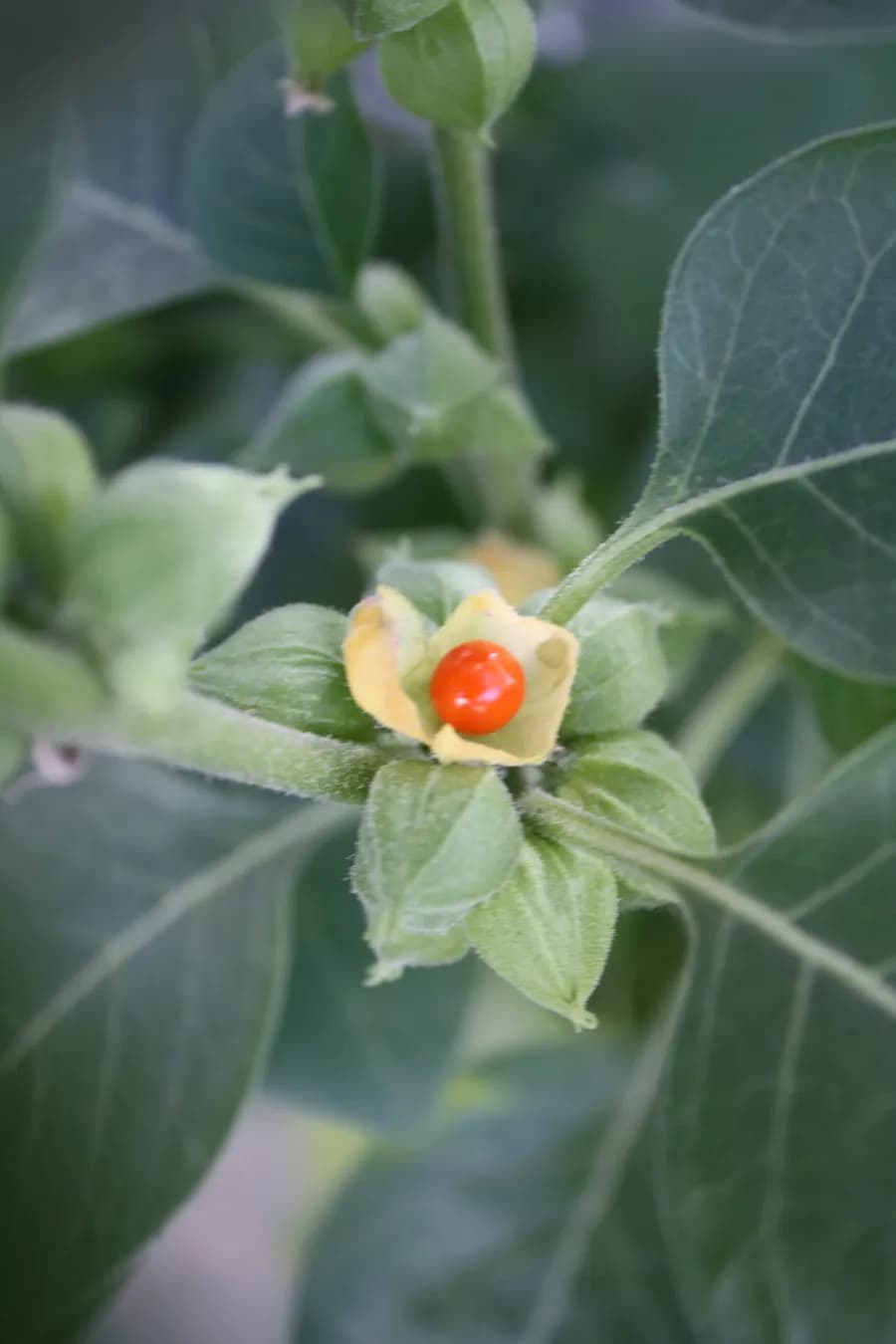
Ayurvedic Medicine for Sleep: Natural Remedies for Insomnia
Ayurvedic medicine for sleep treats restlessness as a sign of aggravated vata, not just a bad night — so the remedy is rebalancing the body, not sedating it. See the herbs, dosages and daily routine that actually help.

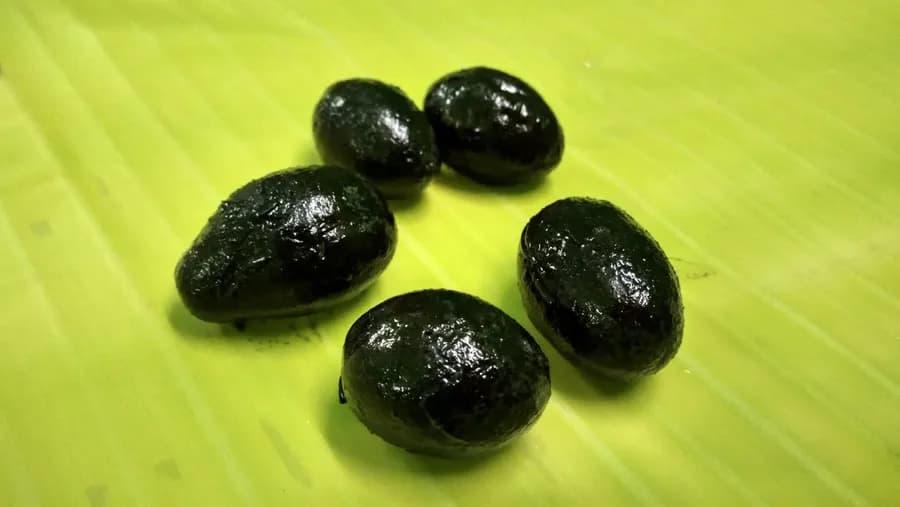
Triphala: Benefits, Uses & Ayurvedic Properties
Triphala, the classic three-fruit Ayurvedic formula of Amalaki, Bibhitaki, and Haritaki, is one of Ayurveda’s most powerful Rasayana herbs. Explore its.


Mindful Eating: What It Means and How to Practice It
Mindful eating means paying full attention to the taste, texture, and pace of a meal, and your body’s hunger signals — not counting calories. Learn what.
