
50 healthy vegetarian foods for everyday eating
Healthy eating does not need rare ingredients. Use this practical list of 50 vegetarian foods to build varied Indian meals, snacks and daily habits.
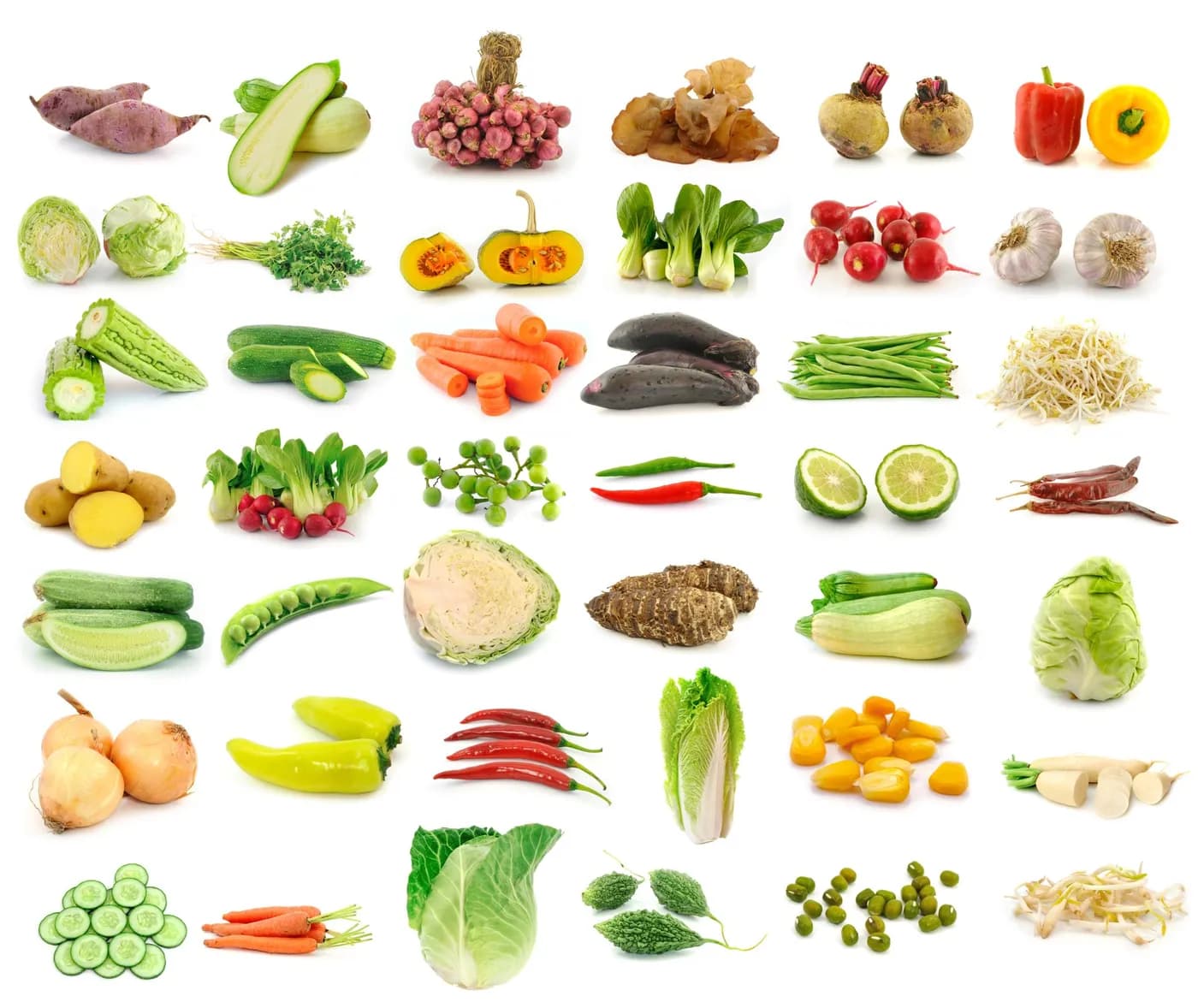
Key Takeaways
- Choose variety across vegetables, fruit, pulses, grains, dairy and seeds.
- Affordable local foods can be as useful as imported “superfoods.”
- Most foods work best in simple, minimally processed forms.
- Build habits around foods you enjoy and can buy regularly.
Healthy eating does not need rare ingredients. Use this practical list of 50 vegetarian foods to build varied Indian meals, snacks and simple daily habits.
Healthy vegetarian foods at a glance
- Healthy vegetarian foods can be grouped into grains, pulses, dairy, fruit, vegetables, nuts and seeds.
- Healthy vegetarian foods do not need to be rare, imported or expensive to be useful.
- Healthy vegetarian foods work best rotated through the week rather than repeated every day.
- Healthy vegetarian foods can cover protein, fibre, calcium, iron and vitamin needs together.
- Healthy vegetarian foods are easiest to keep up with when planned around a simple weekly list.
- Healthy vegetarian foods pair well with a consistent cooking routine, not constant new recipes.
- Healthy vegetarian foods can fit almost any regional Indian cuisine.
- Healthy vegetarian foods are a starting list, not a strict rulebook.
- Healthy vegetarian foods still need variety, since no single food covers every nutrient.
- Healthy vegetarian foods can be batch-cooked to save time during the week.
- Healthy vegetarian foods work for most budgets when built around seasonal produce.
- Healthy vegetarian foods are more sustainable as a habit than any short-term diet plan.
What makes a food healthy?
No food is healthy in every amount or for every person. A useful food gives nutrients, fits your health needs and works in a balanced pattern.
The 2025–2030 Dietary Guidelines encourage nutrient-dense foods and less highly processed food. They focus on variety rather than one perfect ingredient. (1)
Use this list as inspiration, not a strict plan. Allergies, diabetes, kidney disease, digestive conditions and prescribed diets may change what suits you.
Vegetables
- Spinach
Spinach adds folate, vitamin K and carotenoids. Cooked or raw both count.
- Fenugreek leaves
Methi adds flavour and leafy-green variety to rotis, dal and vegetables.
- Amaranth leaves
Chaulai is a useful local green for stir-fries and dal.
- Carrots
Carrots provide beta-carotene. Pair them with a little fat for a satisfying meal.
- Tomatoes
Tomatoes add vitamin C, potassium and the red pigment lycopene.
- Capsicum
Red, yellow and green peppers add crunch and vitamin C.
- Cauliflower
Use it in sabzi, soup, roasting or mixed rice dishes.
- Cabbage
Cabbage is affordable, keeps well and works in sabzi or salad.
- Bottle gourd
Lauki is mild and useful in dal, kofta or simple curries.
- Okra
Bhindi adds fibre and works best with moderate oil.
Fruit
- Guava
Guava provides vitamin C and fibre. Eat the edible peel after washing.
- Amla
Indian gooseberry is tart and rich in vitamin C. Avoid turning it into a sugary tonic.
- Papaya
Ripe papaya is soft, hydrating and easy to add to breakfast.
- Banana
Bananas are portable and useful before activity or with curd and nuts.
- Orange
Whole oranges provide more fibre than juice.
- Apple
Keep the washed peel for extra fibre if you enjoy it.
- Mango
Mango is nutritious fruit, not forbidden sugar. Portion and meal context matter.
- Pomegranate
The arils add colour, fibre and flavour to curd or salads.
- Kiwi
Kiwi provides vitamin C and works well in fruit bowls.
- Blueberries
Fresh or frozen unsweetened berries can add variety when affordable.
Pulses and soy
- Moong dal
Moong is versatile for dal, khichdi, chilla and sprouts.
- Masoor dal
Red lentils cook quickly and provide protein, fibre and iron.
This connects well with High Protein Vegetarian Foods and Daily calorie needs if you want the fuller picture.
- Toor dal
Toor is a familiar base for dal and sambar.
- Chickpeas
Chana works in curry, hummus, chaat and salads.
- Kidney beans
Rajma provides protein and fibre. Soak and cook beans fully.
- Black-eyed peas
Lobia is useful in curry and salad.
- Green peas
Peas add protein, fibre and sweetness to mixed dishes.
- Tofu
Tofu provides soy protein and can take on Indian spices easily.
- Tempeh
Fermented soy tempeh has a firm texture and works in stir-fries.
- Unsweetened soy milk
Choose a fortified product and check the label for calcium and B12.
Whole grains and starches
- Oats
Oats add soluble fibre and work in porridge, chilla or savoury upma.
- Whole wheat
Atta rotis can be a practical whole-grain staple.
- Brown rice
Brown rice adds whole-grain variety, though white rice can also fit balanced meals.
- Barley
Barley is rich in soluble fibre and useful in soups or mixed grain dishes.
- Ragi
Finger millet can add variety and calcium, depending on the food and portion.
- Jowar
Sorghum is a gluten-free whole grain used for bhakri or porridge.
- Bajra
Pearl millet is useful in rotis and winter meals.
- Quinoa
Quinoa is nutritious but not essential; local grains and pulses can do the same job.
- Sweet potato
It provides carbohydrate, fibre and beta-carotene.
- Potato
Potatoes can be healthy when boiled, roasted or cooked with vegetables rather than deep-fried.
Dairy, nuts and seeds
- Plain curd
Curd adds protein and calcium without the added sugar of many flavoured products.
- Milk
Milk provides protein, calcium and B12. Fortified plant milk can be an alternative.
- Paneer
Paneer is protein-rich, but portion and saturated fat matter.
- Peanuts
Peanuts are affordable sources of protein and unsaturated fat.
- Almonds
A small portion adds crunch, fat and some protein.
- Walnuts
Walnuts provide ALA, a plant omega-3 fat.
- Sesame seeds
Til adds calcium, fat and flavour to chutneys and laddus with limited sugar.
- Pumpkin seeds
They provide magnesium, zinc, fat and protein.
- Chia seeds
Chia adds fibre and plant omega-3. Mix it into moist food.
- Flax seeds
Ground flax is easier to use than whole seeds and adds fibre and ALA.
How to use the list
Pick one food from four or five groups each day. A normal meal might be dal, rice, bhindi, curd and guava.
MyPlate includes vegetables, fruit, grains, dairy and protein foods such as beans, lentils, soy, nuts and seeds. (2)
You do not need all 50 foods every week. Repeat your staples and rotate a few seasonal options.
A simple 7-day food-variety habit
Write down the vegetables, fruits, pulses and grains you eat this week. Add one colour or one pulse you did not have last week.
Keep the goal small: one extra vegetable at lunch, one fruit snack or one dal change. Variety should make meals more enjoyable, not more complicated.
For a simple plate structure, read Habuild’s Diet and Nutrition guide.
Foods to limit, not fear
Highly processed snacks, sugary drinks, large amounts of sweets and frequent deep-fried foods can crowd out nutrient-dense choices.
A healthy diet can still include celebration food. Look at the weekly pattern, portions and how often a food appears.
Frequently Asked Questions
Related Articles
Protein rich vegetarian foods: the perfect plate habit
Learn how protein rich vegetarian foods support energy, strength and fullness. Use the perfect plate habit with greens, grains and protein.

Protein-rich vegetarian foods: 1/4th plate habit
Explore protein, carbohydrates, healthy fats and meal planning for strength training, muscle building and recovery.

Healthy fats: why your body needs fat
Healthy fats help your body absorb vitamins and support brain, hormones, joints, cells and daily meals. Learn simple vegetarian sources and habits.