
Alkaline Diet: What Food Can and Cannot Change
The alkaline diet encourages fruit and vegetables, but food does not meaningfully change blood pH in a healthy body.
Key Takeaways
- Food can change urine pH, but not the blood pH of a healthy person.
- The lungs, kidneys and chemical buffers keep blood pH within a narrow range.
- More fruit and vegetables helps health without any alkaline explanation.
- People with kidney disease need test-based specialist advice, not generic alkaline food lists.
The alkaline diet encourages fruit and vegetables, but its central claim is misleading: food does not meaningfully change blood pH in a healthy body. The lungs and kidneys regulate that range tightly.
How pH regulation works
Blood pH is maintained within a narrow range by breathing, the kidneys and chemical buffers in the blood. When acids are produced by metabolism, these systems respond within minutes to days to keep the range stable. A meaningful shift in blood pH is a medical problem that needs treatment, not a wellness goal to chase with food.
Blood pH versus urine pH
Meals can alter urine pH because the kidneys excrete excess acids and bases. This is why home urine strips often show changes after eating differently. That observation shows the kidneys doing their job; it does not prove that the blood has been alkalised.
What food can and cannot change
Food can change urine pH and the amount of acid the kidneys have to handle. It cannot push a healthy person's blood into a more alkaline state, and it cannot change the pH of particular organs or tissues on demand. The useful part of an alkaline diet is the food pattern it promotes, not the chemistry it claims.
Why people may feel better
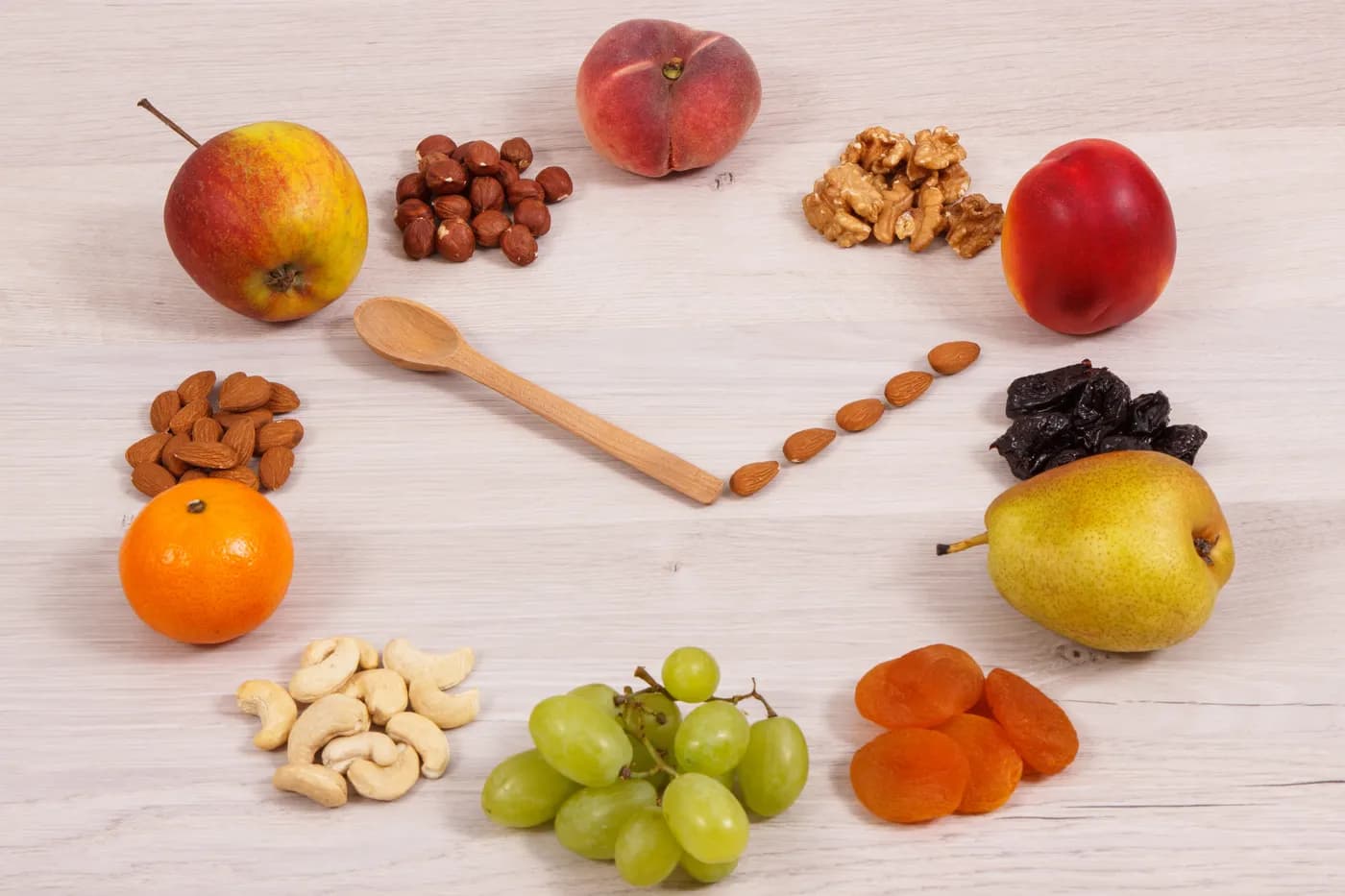
Eating more vegetables, fruit and pulses and fewer ultra-processed foods can improve overall diet quality, fibre intake and fullness. Those benefits are real, but they do not require the acid-ash explanation.
Protein foods are not toxic acid

Dal, beans, soy, dairy, nuts and grains provide protein and essential nutrients. Avoiding them broadly because they are labelled "acid-forming" can make a vegetarian diet less adequate, especially for older adults, growing children and anyone trying to maintain muscle.
Acidic foods are not automatically harmful
Tomato, citrus and curd may taste acidic, yet they do not make the body dangerously acidic. Some can aggravate reflux or sensitive teeth, which is a local effect rather than a change in blood pH. Manage the actual symptom with appropriate advice instead of adopting a sweeping alkaline restriction.
Bone-health claims
The body does not routinely dissolve bone simply because a meal is classified as acidic. Bone health depends on regular weight-bearing activity, adequate protein, calcium and vitamin D, and overall energy intake.
Kidney disease needs individual care
Kidney conditions can alter how the body handles acid, and some people develop metabolic acidosis that is diagnosed with blood tests. Treatment is based on those tests and specialist advice, not a general internet list. Some people with advanced kidney disease are also advised to limit potassium, which is found in many fruits and vegetables, so following an alkaline diet without guidance could cause harm. Anyone with kidney disease should discuss diet changes with their nephrologist or renal dietitian.
Supplements and powders
Bicarbonate and mineral "alkalising" products can affect sodium intake, interact with medicines and disturb acid-base balance. Concentrated use deserves professional advice, particularly for people with heart, kidney or blood pressure conditions.
A note on alkaline water
Alkaline water may taste different and can briefly neutralise some stomach acid, but it does not reset body pH or treat disease. Our separate guide to alkaline water covers it in more detail.
Cancer misinformation
Tumours are not cured by alkaline foods. Delaying evidence-based treatment for a restrictive diet can be dangerous, and people undergoing cancer treatment often need more protein and energy, not less.
A better practical takeaway
Keep the useful part: eat varied vegetables, fruit, pulses, whole grains and minimally processed foods while maintaining adequate protein and energy. You can follow that pattern without testing your urine or labelling foods as acid or alkaline.
Editorial sources
Frequently Asked Questions
Related Articles

Alkaline Water Benefits: Evidence, pH, Uses and Safety
Alkaline water has a higher pH than ordinary drinking water. It may also contain added minerals or be produced by an ionising machine.

Green Vegetables Benefits: Nutrition and Everyday Uses
Green vegetables include leafy greens, beans, peas, broccoli, okra and many local varieties.


Acidity Home Remedies (Heartburn & GERD Relief Guide)
Acidity is a burning sensation in the chest or throat after eating, caused by stomach acid moving up the food pipe. See home remedies for instant relief.