
Ambali Benefits: A Cooling Morning Drink
A glass of thin Ambali — millet flour, water, and buttermilk or curd — can feel cooler and lighter than a chai-and-biscuits morning. See how it works as.
Key Takeaways
- A thin millet drink that can feel cooling and lighter than a heavy breakfast.
- Buttermilk or curd in the base adds a little protein alongside hydration.
- Meant to support a better routine over time, not deliver instant results from one glass.
- Millet gives steady carbohydrate energy, avoiding the empty feeling after only tea.
- Try swapping in one or two mornings a week rather than stopping chai completely.
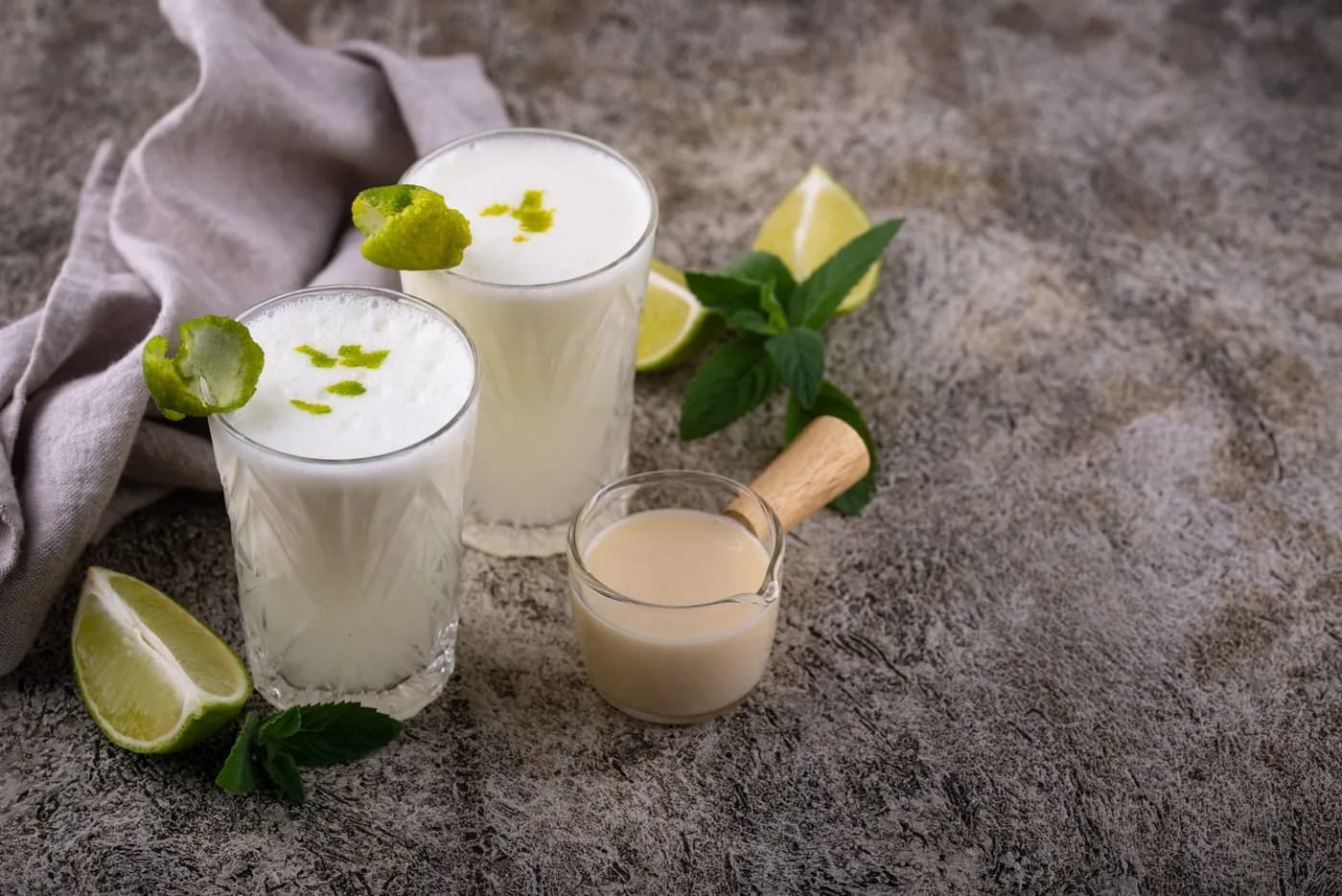
Ambali benefits are easy to understand when summer mornings feel hot, heavy and rushed. A glass of thin Ambali can feel cooling, light and more hydrating than the usual chai-biscuits routine. It is made with millet flour, water and buttermilk or curd, depending on the recipe used at home.
The two images show the same habit from two angles. One image says Ambali can slowly become a regular habit. The other compares chai and biscuits with thin Ambali on a busy summer morning. Together, they make one simple point: if breakfast feels too heavy or too sugary, Ambali can be a calmer start.
Ambali is not a magic drink. It is a traditional millet-based drink that can support a better morning routine when made cleanly, kept thin and consumed fresh.
Why Ambali works well in summer mornings
Summer mornings often need something cooling and easy. Many people start with hot tea and biscuits because it is quick. The problem is that biscuits may not hydrate you, and they may not keep you full for long.
It is light on the stomach
Thin Ambali is diluted, smooth and easy to sip. It does not sit in the stomach like a heavy meal. This is useful when the weather is hot or when you do not feel like eating a full breakfast immediately.
It can help you hydrate
Ambali contains water and buttermilk or curd, so it can support hydration as part of your morning routine. It should not replace plain water, but it can be better than starting the day only with biscuits.
It gives steady energy
Millet flour gives some carbohydrate, and curd or buttermilk adds a little protein and freshness. This can feel steadier than a very sweet snack. Indian dietary guidance also encourages variety in cereals and pulses, along with curd or milk where suitable. Source: ICMR-NIN My Plate
What you may notice over time
Over time, you may notice easier digestion, steadier energy and a cooler feeling in hot weather. These are practical, everyday benefits. They come from using Ambali as part of a better routine, not from drinking it once and expecting instant results.
Easier digestion
A thin drink can feel easier than a dry snack in the morning. If your Ambali is fermented lightly and prepared safely, it may also feel more comfortable than a heavy fried breakfast.
More steady energy
A glass of Ambali gives a small meal-like base. It is not as rich as a full breakfast, but it may prevent the empty feeling that comes after only tea.
Feeling cooler in hot weather
Buttermilk-based drinks are common in Indian summers because they feel cooling. Ambali uses that same idea and adds millet to make it more filling.
Ambali vs chai and biscuits
Chai and biscuits are common because they are quick. But quick is not always enough. The image compares them simply: chai and biscuits may give a sugar spike, may not hydrate well and may leave you tired quickly. Thin Ambali can feel more hydrating, energising and light.
Why the swap is easy
You do not have to stop chai forever. Start with one or two mornings a week. Replace the biscuit part first. Drink water, then have Ambali, and keep chai later if you still want it.
When Ambali works best
Ambali works well on hot mornings, after a walk, before a light breakfast or as a mid-morning drink. It is not meant to be a huge meal. Keep it thin and fresh.
How to make thin Ambali at home
There are many home versions of Ambali. This is a simple version for beginners.
- Mix 1 to 2 teaspoons ragi or jowar flour with a little water to make a smooth paste.
- Add 1 cup water and cook on low flame until the raw smell goes away.
- Keep stirring so there are no lumps.
- Let the cooked mixture cool completely.
- Add 1/2 to 1 cup thin buttermilk or diluted curd.
- Add salt, roasted jeera powder and coriander if you like.
- Add more water if you want it thinner.
- Drink fresh. Do not keep it outside for long in hot weather.
Taste ideas
- Roasted jeera powder for flavour
- Coriander leaves for freshness
- A small pinch of salt
- Thin buttermilk for a lighter texture
- More water if you want a very thin drink
Food safety tip
Always cool the cooked millet mixture before adding curd or buttermilk. If you add curd to a hot mixture, it may split and taste sour.
How to build the Ambali habit slowly
The image says, “No rush, just enjoy Ambali at your own pace.” That is the right approach. New food habits should feel doable.
- Start with a small glass, not a large serving.
- Try it once or twice a week.
- Keep it thin in summer.
- Use ragi first if that is familiar, then try jowar.
- Do not make it too spicy in the morning.
- After a few weeks, see whether it suits your digestion and routine.
Who should be careful
People with lactose intolerance can try a curd-free version or avoid it if it does not suit them. People with diabetes, kidney disease, gut issues or a medical diet should follow professional guidance before making major changes.
Frequently Asked Questions
Related Articles

Healthy fats: why your body needs fat
Healthy fats help your body absorb vitamins and support brain, hormones, joints, cells and daily meals. Learn simple vegetarian sources and habits.

Good fats vs bad fats: choose fats wisely
Understand good fats vs bad fats in simple words. Learn which vegetarian fats to choose, what to reduce and how to read food labels better.
