
Antioxidant Rich Foods: A Simple Guide to Eating More of Them
Antioxidants protect your cells from everyday oxidative stress caused by pollution, sun exposure, and normal metabolism. See the easiest foods to build a.
Key Takeaways
- Neutralise free radicals from pollution, sun exposure, and normal metabolism.
- Deeply coloured fruits and vegetables often signal a dense concentration of antioxidants.
- Common Indian staples like turmeric, amla, and beans are genuinely high in antioxidants.
- Whole foods offer fibre and nutrients that isolated antioxidant supplements don’t replicate.
- Antioxidants don’t cancel out the effects of a diet high in sugar or processed food.
Antioxidant rich foods help protect your cells from everyday oxidative stress caused by pollution, sun exposure and normal metabolism, by neutralising unstable molecules called free radicals before they cause damage. Berries, colourful vegetables, spices like turmeric, nuts and green tea are some of the easiest ways to build a high antioxidant diet.
Best antioxidant rich foods at a glance
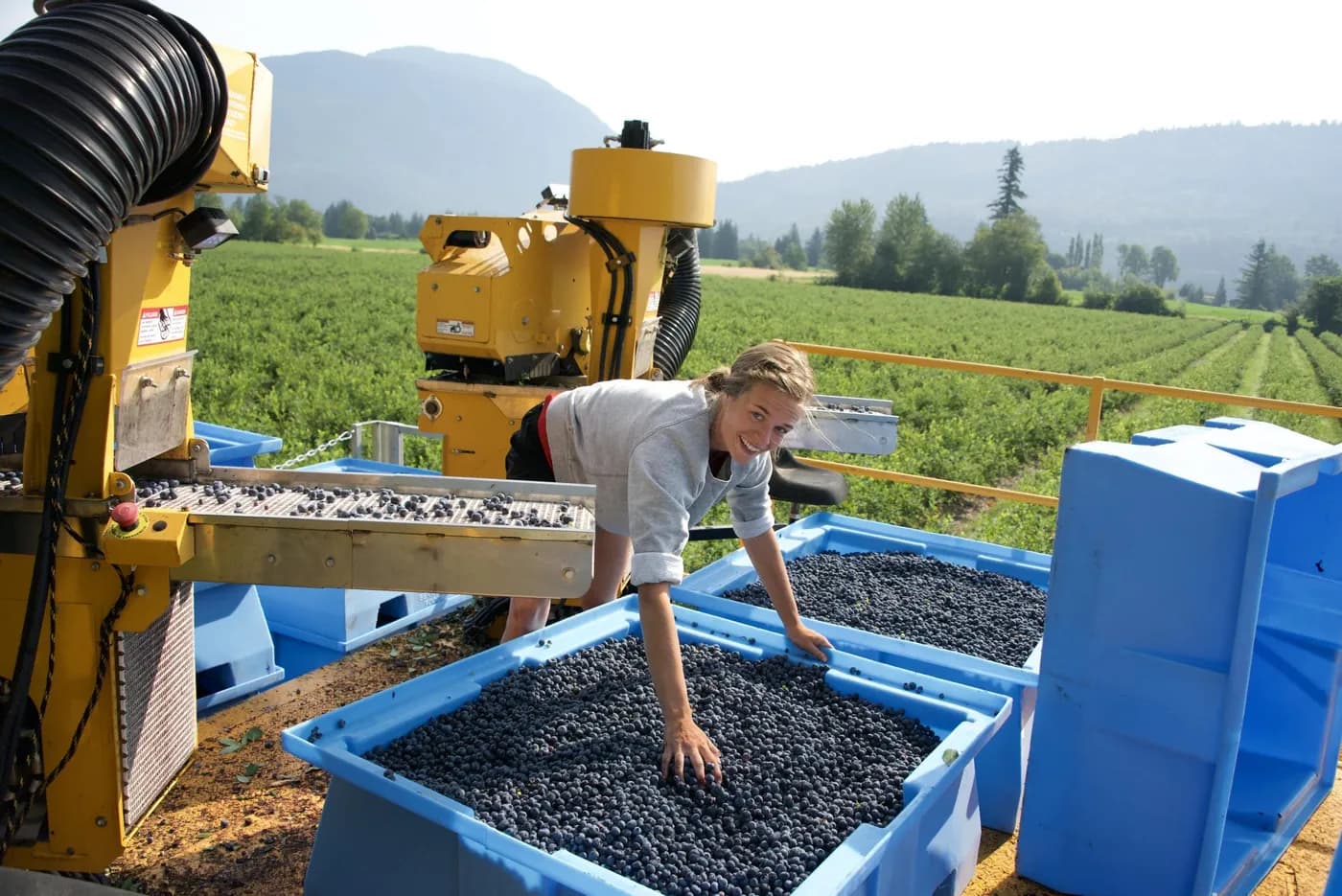
- Berries — blueberries, strawberries and blackberries are among the highest scoring foods for antioxidants
- Leafy greens and colourful vegetables — spinach, beetroot, carrots and purple cabbage
- Spices — turmeric, cloves and cinnamon are surprisingly concentrated sources
- Nuts and seeds — walnuts and flaxseeds contribute healthy fats alongside antioxidants
- Green tea — rich in catechins, a well-studied plant antioxidant
- Dark chocolate — in moderation, cocoa is genuinely one of the higher antioxidant foods
- Beans and legumes — often overlooked but a solid everyday source
What makes a food a “higher antioxidant food”
A higher antioxidant food typically gets its power from pigments and plant compounds — the same deep colours in berries, beetroot and purple cabbage often signal a dense concentration of polyphenols and flavonoids. As a general rule, the more vividly coloured a fruit or vegetable is, the more likely it is to rank as a higher antioxidant food, though spices and nuts break this pattern with their own concentrated compounds.
Building a high antioxidant diet day to day
Eating more antioxidant rich foods doesn’t need to be complicated or expensive — it’s mostly about consistency:
- Add a handful of berries or pomegranate to breakfast
- Use turmeric, cumin and other spices generously in daily cooking, as most Indian kitchens already do
- Include one raw salad with colourful vegetables at a meal
- Swap a sugary drink for green tea once a day
- Snack on a small handful of walnuts or almonds instead of processed snacks

Photo: Scott Bauer, USDA, Public Domain, via Wikimedia Commons
Common mistakes about antioxidant rich foods
- “Supplements work as well as food” — whole foods offer fibre and other nutrients that isolated supplements don’t replicate, and some antioxidant supplements in high doses have shown mixed results in research.
- “Only exotic superfoods count” — common Indian staples like turmeric, amla, beans and onions are genuinely high in antioxidants; you don’t need imported berries to build a strong diet.
- “Antioxidants cancel out an otherwise poor diet” — they support overall health but don’t offset the effects of high sugar, ultra-processed food or inactivity.
Who Should Be Cautious With Certain Antioxidant Rich Foods
Antioxidant rich foods are safe and beneficial for nearly everyone, but a few groups should be mindful of specific sources rather than the category as a whole. People on blood-thinning medication should check with their doctor before sharply increasing green tea intake, since very high amounts can interact with certain medications. Anyone with acid reflux may find that very acidic antioxidant rich foods, like citrus or tomatoes, worsen symptoms even though they’re nutritionally excellent choices otherwise. High-dose antioxidant supplements — as opposed to food sources — aren’t recommended during pregnancy or alongside certain chemotherapy treatments without medical guidance. For nearly everyone else, getting antioxidant rich foods from whole food sources carries essentially no downside.
Common Mistakes People Make With Antioxidant Rich Foods
- Relying on juice instead of whole fruit: Fruit juice loses much of the fibre found in whole antioxidant rich foods, and often adds concentrated sugar without the same benefits.
- Overcooking vegetables: Boiling colourful vegetables for too long can strip away a meaningful share of their antioxidant content, so steaming or light sautéing preserves more.
- Buying expensive imported “superfoods”: Assuming antioxidant rich foods need to be exotic or imported overlooks affordable, effective options already common in Indian kitchens, like turmeric, amla, and beans.
- Stacking supplements instead of meals: Popping an antioxidant capsule while skipping fruits and vegetables misses the fibre, vitamins, and other compounds that whole antioxidant rich foods provide together.
Antioxidants aren’t the only nutrient category worth building a shopping list around, either — iodine rich foods and potassium rich foods matter just as much for different reasons, and they’re worth stacking alongside these picks rather than treated as separate concerns.
Myths vs Facts About Antioxidant Rich Foods
Myth: More antioxidants always means better health. Fact: Balance matters more than volume — a reasonably varied diet with regular antioxidant rich foods offers most of the benefit, and extremely high supplement doses haven’t consistently shown extra gains in research.
Myth: Only brightly coloured fruits count as antioxidant rich foods. Fact: Spices like turmeric and cloves, plus nuts, green tea, and legumes, are also genuinely antioxidant rich foods, even without the bright pigment that berries and vegetables have.
Frequently Asked Questions
Related Articles
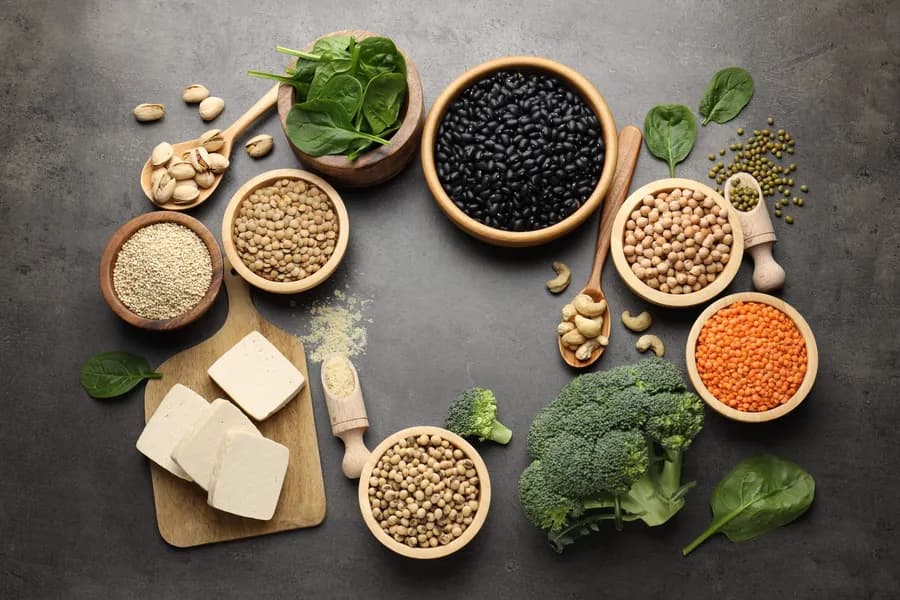
Protein rich vegetarian foods: the perfect plate habit
Learn how protein rich vegetarian foods support energy, strength and fullness. Use the perfect plate habit with greens, grains and protein.

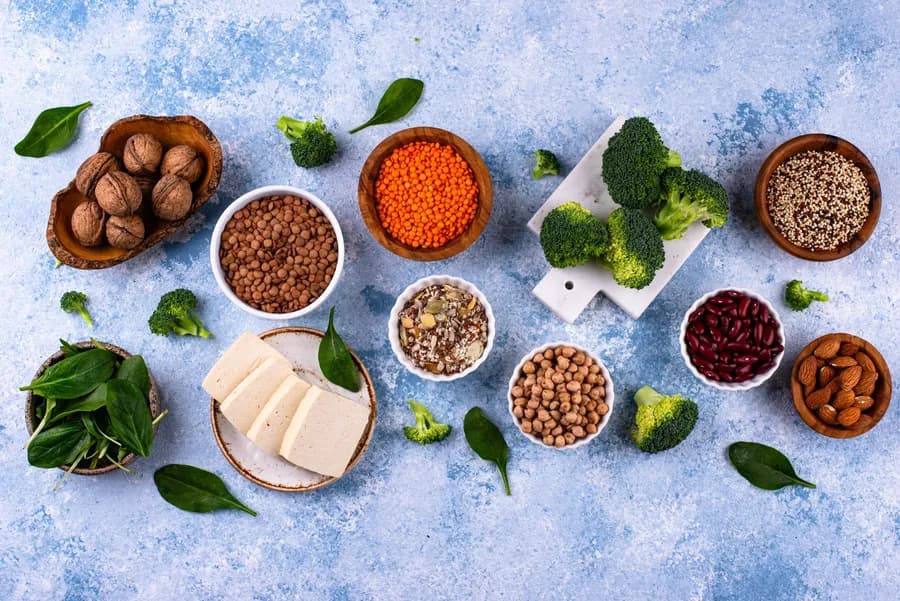
Iron rich foods need protein: 1/4th plate habit
Eating iron rich foods is important, but protein helps your body use iron better. Learn the 1/4th plate protein habit with simple vegetarian foods.
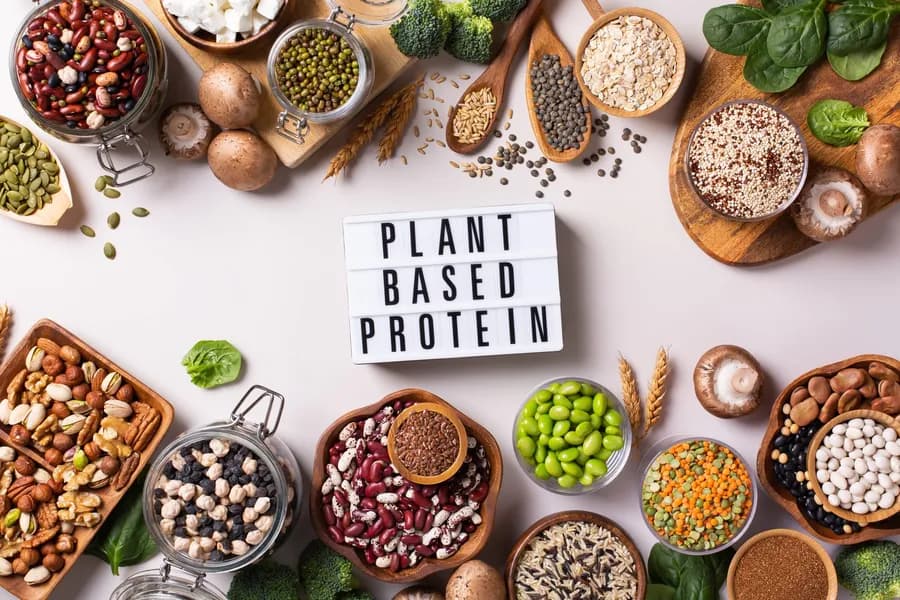
Protein-rich vegetarian foods: 1/4th plate habit
Explore protein, carbohydrates, healthy fats and meal planning for strength training, muscle building and recovery.
