
Antioxidants: Nutrition Facts, Uses and Safety
Antioxidants can add variety, flavour and useful nutrients to a vegetarian eating pattern. Its exact nutrition depends on the form, serving and.
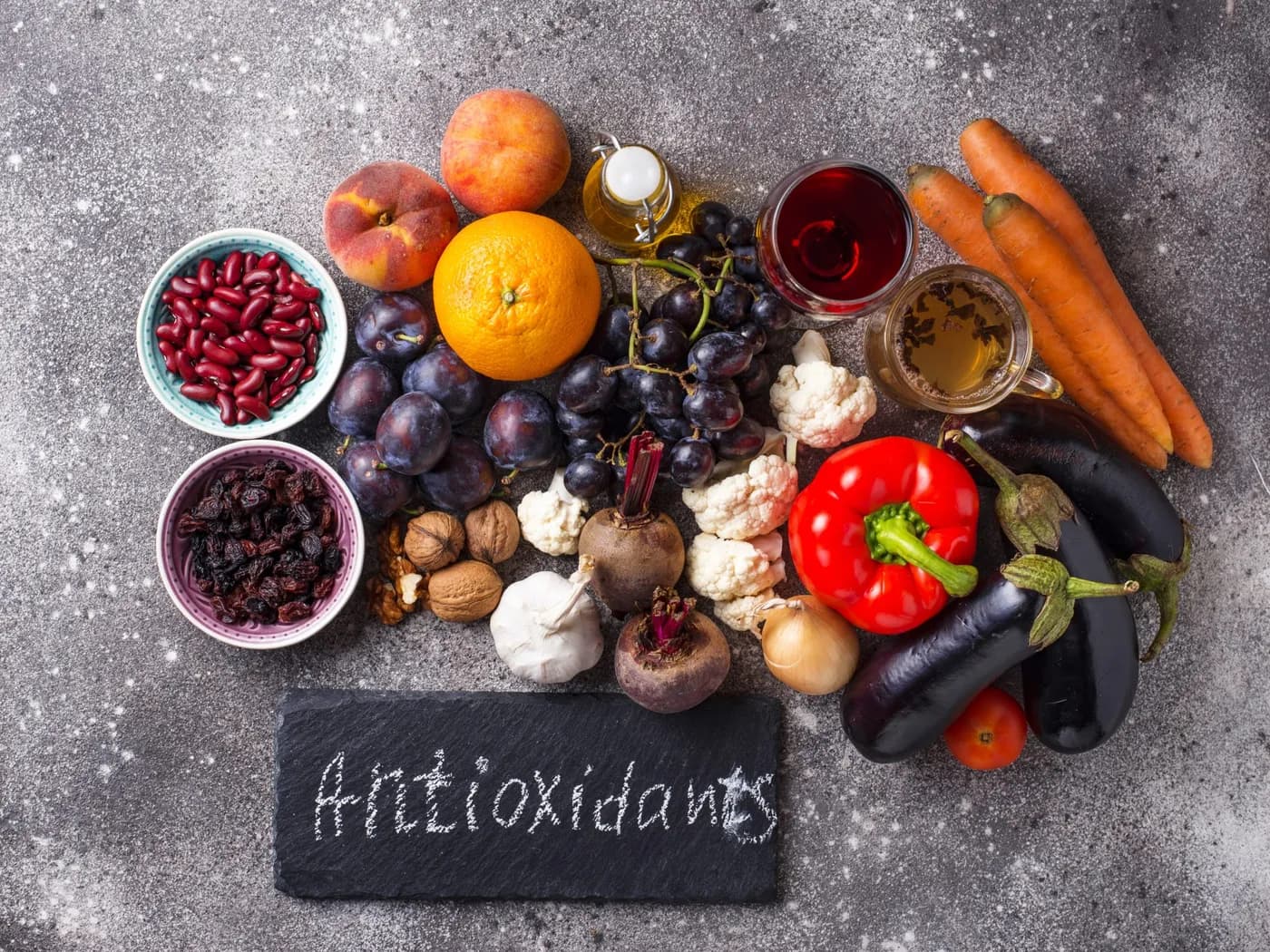
Key Takeaways
- Antioxidants help manage oxidative reactions, but free radicals also have normal roles in the body.
- Vegetables, fruit, pulses, nuts, seeds, whole grains, herbs and spices provide varied antioxidant.
- Benefits seen with plant-rich diets cannot be credited to one isolated nutrient.
- High-dose antioxidant supplements have not reliably prevented cancer or heart disease.
- Some supplements can cause harm or interact with medicines and cancer treatment.
Antioxidants are substances that help control reactions involving free radicals. The body makes some antioxidants, while foods provide others, including vitamin C, vitamin E, carotenoids and many plant compounds.
They are important, but the word antioxidant is often used as a marketing shortcut. A colourful food may support health as part of a balanced diet; this does not mean one juice, powder or capsule can prevent ageing, detoxify the body or cure disease.
What are antioxidants?
Free radicals are reactive molecules produced during normal metabolism and in response to factors such as tobacco smoke, air pollution and ultraviolet radiation. When their production exceeds the body’s ability to manage them, oxidative stress can occur.
Antioxidants can donate or accept electrons and help limit damaging chain reactions. This is not a simple battle between “good” antioxidants and “bad” free radicals. Reactive molecules also contribute to cell signalling and immune defence, so the body regulates rather than eliminates them.
Types found in food
Vitamin C
Vitamin C is a water-soluble nutrient found in amla, guava, citrus fruit, capsicum, tomatoes and several vegetables. It contributes to collagen formation, iron absorption and immune function in addition to its antioxidant activity.
Vitamin E
Vitamin E is fat-soluble and helps protect cell membranes. Vegetarian sources include nuts, seeds and vegetable oils. Because it is stored differently from vitamin C, concentrated supplements require more caution than ordinary food portions.
Carotenoids
Beta-carotene, lycopene, lutein and related pigments occur in colourful produce. Carrots, pumpkin, leafy greens, tomatoes and papaya are examples. Some carotenoids can be converted to vitamin A, while others have different functions.
Polyphenols and other plant compounds
Tea, cocoa, berries, grapes, legumes, herbs and spices contain diverse polyphenols. Laboratory antioxidant measurements do not show exactly what a food will do in the human body because digestion, absorption, dose and metabolism all matter.
What research actually shows
People who eat plenty of vegetables and fruit often have better health outcomes. However, these foods also provide fibre, vitamins, minerals and thousands of compounds. People who eat them may also have other supportive habits. It is rarely possible to credit one antioxidant.
Large trials of isolated antioxidant supplements have generally not shown that they prevent cancer or cardiovascular disease in otherwise healthy people. This difference between food patterns and pills is why “more antioxidants” is not automatically better. (NCCIH)
Cancer claims
Antioxidants protect molecules from oxidation in laboratory settings, but that does not make supplements cancer-preventing treatments. Evidence does not support taking antioxidant supplements to prevent cancer. High-dose beta-carotene has increased lung-cancer risk in smokers and people exposed to asbestos. (NCCIH)
Heart and brain health
Plant-rich eating patterns are associated with cardiovascular benefits, but vitamin E, beta-carotene and other isolated antioxidants have not consistently prevented heart disease. Evidence that supplements maintain memory or prevent cognitive decline is also insufficient.
Exercise and recovery
Exercise temporarily increases oxidative processes while also triggering useful training adaptations. Fruits and vegetables fit an active diet, but high-dose vitamin C or E supplements are not a shortcut to faster recovery and may be unnecessary unless a deficiency exists.
Antioxidant-rich foods for vegetarian meals
Instead of chasing a single superfood, rotate colours and food groups. Practical choices include:
- Guava, amla, oranges, papaya, mango and seasonal berries.
- Tomatoes, carrots, pumpkin, capsicum, beetroot and leafy vegetables.
- Rajma, chana, lentils, soy foods and other pulses.
- Walnuts, almonds, peanuts, sesame, flax and other seeds.
- Whole grains, tea, cocoa, herbs and spices used in sensible amounts.
Colour is useful for variety, not a perfect antioxidant score. Pale foods such as onions, garlic and cauliflower also provide valuable nutrients. Frozen produce can be nutritious, while juices and dried fruit are easier to consume in concentrated amounts.
Cooking and absorption
Cooking can reduce some heat-sensitive nutrients while improving the availability of others. Vitamin C may fall with prolonged boiling, whereas cooking tomatoes can increase the availability of lycopene. Steaming, sautéing and using cooking liquid in a dish can help retain nutrients.
Carotenoids and vitamin E are fat-soluble, so a small amount of dietary fat can support absorption. A tomato or carrot dish prepared with measured oil, nuts or seeds can be practical. There is no need to eat all produce raw.
Supplements and safety
A supplement may be appropriate for a diagnosed deficiency or specific clinical need, but the label “antioxidant” does not prove benefit. Check the dose and avoid stacking several products containing the same vitamins.
High supplemental doses of vitamin E can increase bleeding risk and may interact with anticoagulant or antiplatelet medicines. High-dose beta-carotene is unsuitable for smokers and some former smokers. Excess preformed vitamin A can be harmful, particularly during pregnancy.
Antioxidant supplements may also interfere with some chemotherapy or radiation treatments. Anyone undergoing cancer treatment should discuss every supplement with the oncology team rather than assuming it is protective. (Health Professional Fact Sheet)
What antioxidants cannot do
They cannot detoxify the liver, erase ageing, compensate for smoking or poor sleep, or guarantee protection from cancer and heart disease.
Antioxidant-rich foods are valuable because they form part of an overall nutritious pattern, not because they work like medicines.
Frequently Asked Questions
Related Articles

Healthy fats: why your body needs fat
Healthy fats help your body absorb vitamins and support brain, hormones, joints, cells and daily meals. Learn simple vegetarian sources and habits.

Good fats vs bad fats: choose fats wisely
Understand good fats vs bad fats in simple words. Learn which vegetarian fats to choose, what to reduce and how to read food labels better.
