
Avarakkai Benefits: Nutrition of Broad Beans (Hyacinth Beans)
Avarakkai, or the broad bean, brings fibre, plant protein, and a useful spread of minerals to dishes like avarakkai curry and poriyal — and it’s a.
Key Takeaways
- A distinct vegetable from cluster beans (kothavarangai), despite similar-looking pods.
- Low in calories but fibre-forward, roughly 3-4g fibre per 100g cooked.
- Rich in vitamin C and antioxidants alongside iron and potassium.
- Traditionally paired with dal or rice since it’s not a dense protein source itself.
- Common preparations include avarakkai curry and a coconut-based poriyal.
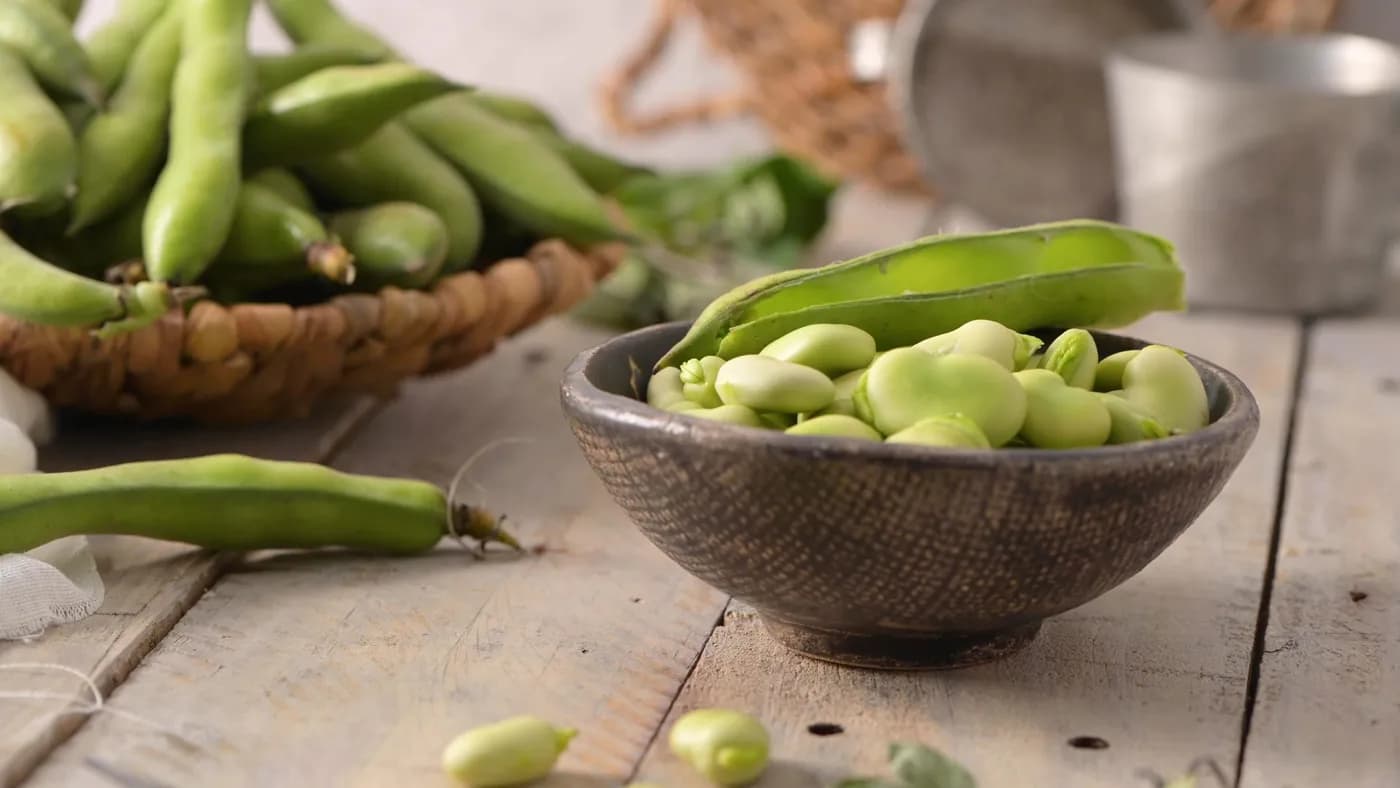
Avarakkai benefits go well beyond its familiar place in South Indian kitchens. This flat, pale-green pod — known in English as the broad bean or hyacinth bean, and botanically as Lablab purpureus — is a legume-vegetable that brings fibre, plant protein, and a useful spread of minerals to everyday dishes like avarakkai curry and avarakkai poriyal. It’s worth being clear from the start: avarakkai is a distinct vegetable from cluster beans (kothavarangai), even though both are common in Tamil and South Indian cooking and sometimes get grouped together loosely as “beans.”
Avarakkai Benefits at a Glance
- Good source of dietary fibre: the pods support digestion and contribute to a feeling of fullness after meals.
- Contains plant protein: modest but meaningful, especially when eaten alongside rice or millets as part of a balanced plate.
- Rich in vitamin C and antioxidants: avarakkai contributes to everyday immune support and helps neutralise oxidative stress from normal metabolic activity.
- Provides iron and potassium: useful minerals for energy metabolism and maintaining healthy blood pressure levels.
- Low in calories: a filling vegetable option that fits easily into a calorie-conscious diet without feeling restrictive.
- Versatile in South Indian cooking: works equally well in a spiced curry, a coconut-based poriyal, or a simple sambar addition.
What Exactly Is Avarakkai?
Avarakkai is the flat, broad seed pod of the hyacinth bean plant, widely grown across South India and known by different names regionally — sem in Hindi, avarakkai in Tamil, and chikkudukaya in Telugu. It’s typically cooked whole or sliced while the pods are still young and tender, before the beans inside fully mature and the pod turns fibrous. This is different from kothavarangai, or cluster beans, which are slender, ridged pods from an entirely separate plant (Cyamopsis tetragonoloba). The two are often prepared in similar poriyal-style dishes, which is likely why they get confused, but they are not interchangeable vegetables nutritionally or botanically — the avarakkai benefits and the cluster bean benefits come from two genuinely different plants.
Photo: whologwhy, CC BY 2.0, via Openverse
Nutritional Profile of Avarakkai
Per 100g of cooked avarakkai, you can generally expect somewhere around 30-40 calories, 2-3g of protein, 3-4g of dietary fibre, and a useful supply of vitamin C, folate, iron, and potassium. The exact numbers vary depending on the pod’s maturity and cooking method, but the broad pattern holds: avarakkai is a low-calorie, fibre-forward vegetable rather than a dense protein source, which is why it’s traditionally paired with dal, rice, or other protein-rich foods in a full meal. This nutrient mix is the foundation of most avarakkai benefits discussed in traditional South Indian nutrition advice.
If you’re trying to work out how avarakkai stacks up against similar-looking pods, kothavarangai benefits breaks down how cluster beans compare nutritionally, and for a broader look at how legumes fit into a protein-focused diet, beans health benefits covers the wider family.
Avarakkai Benefits for Everyday Health
Most of the avarakkai benefits people notice day to day come down to fibre and micronutrients rather than any single standout compound. The fibre in avarakkai supports regular digestion and can help slow down how quickly a meal’s carbohydrates are absorbed, which is one reason it’s a staple in traditional South Indian thalis alongside rice. Its vitamin C content supports the body’s everyday immune and antioxidant functions, while the iron and folate contribute to energy metabolism and red blood cell formation. Because avarakkai is naturally low in calories and fat, it’s a practical vegetable to build meals around if you’re watching your overall calorie intake without wanting to feel like you’re missing out on volume or variety. Some of the antioxidant compounds found in hyacinth bean pods have also been studied for their general role in reducing oxidative stress, though avarakkai should be seen as part of an overall balanced diet rather than a targeted remedy for any specific condition. Taken together, these benefits are steady and cumulative rather than dramatic, which is really how most whole-food nutrition works.
Popular Avarakkai Preparations
Avarakkai curry is probably the most common preparation — the pods are chopped, sautéed with onion, tomato, and South Indian spices, and simmered until tender. Avarakkai poriyal takes a drier route, with the sliced pods stir-fried with mustard seeds, curry leaves, and grated coconut for a lightly textured side dish. It also shows up chopped into sambar or mixed vegetable kootu, where it adds bulk and fibre without overpowering the other flavours. Choosing younger, more tender pods generally gives the best texture and reduces the stringy fibre that older pods can develop, and lighter cooking methods like these tend to preserve the avarakkai benefits better than heavily fried preparations.
Frequently Asked Questions
Related Articles
Healthy fats: why your body needs fat
Healthy fats help your body absorb vitamins and support brain, hormones, joints, cells and daily meals. Learn simple vegetarian sources and habits.

Good fats vs bad fats: choose fats wisely
Understand good fats vs bad fats in simple words. Learn which vegetarian fats to choose, what to reduce and how to read food labels better.
