
Balanced Diet Chart for a Week: A Practical Example for Indian Households
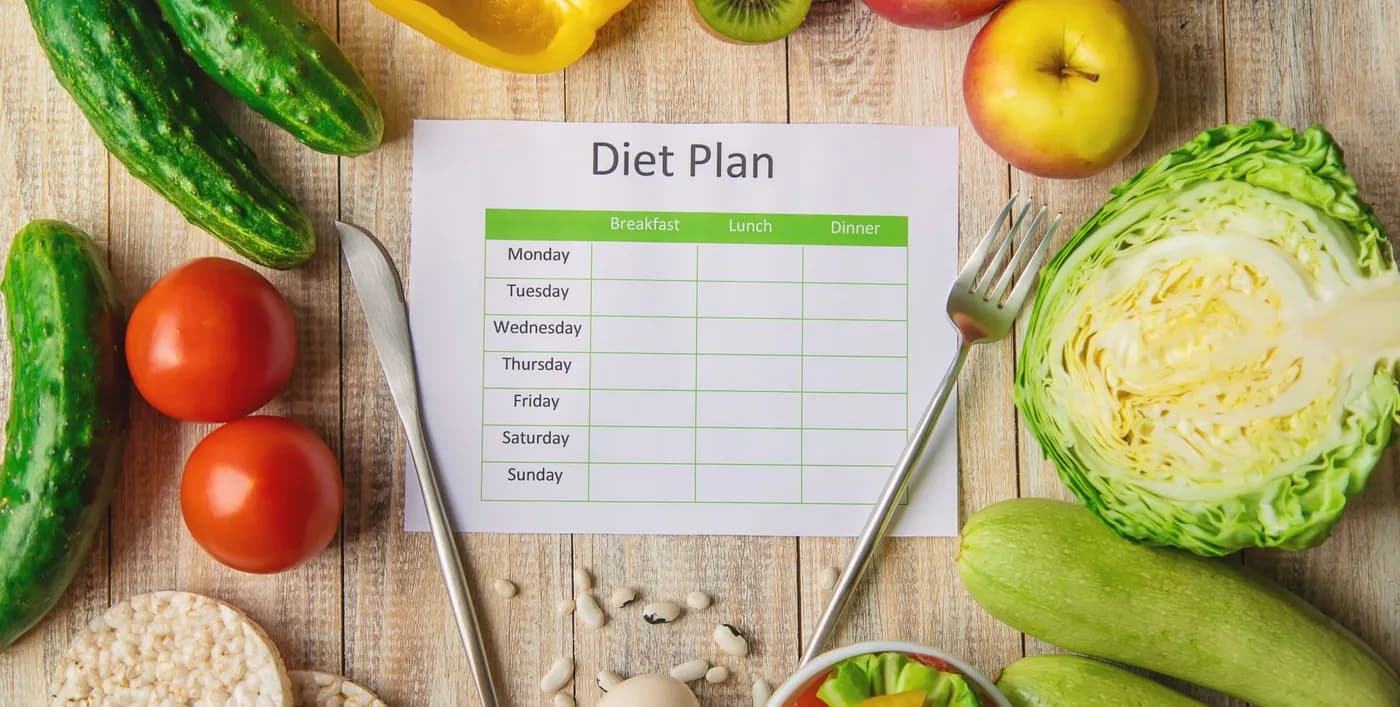
A balanced diet chart is easiest to understand as a template, not a timetable — a way of thinking about protein, fibre, carbs, and fat across your meals..

Key Takeaways
- A template for proportions, not a fixed menu – roughly 45-60% carbs, 15-20% protein, 20-30% fat.
- A protein source at every meal spreads intake through the day instead of loading dinner.
- Whole grains and millets support steadier blood sugar than maida-heavy foods.
- A vegetable at both lunch and dinner, ideally two colours, covers most micronutrients.
- Fruit works best as a snack, not a meal replacement, since it lacks protein and fat.
A balanced diet chart for a week is easiest to understand as a template rather than a timetable — a way of thinking about how much protein, fibre, carbohydrate and fat should show up across your meals, illustrated with familiar Indian food. What follows is one workable example, not a prescription. Your age, activity level, health conditions, and personal taste will all change the details, so treat the numbers and meals here as a starting structure you adjust to fit your own life. Think of this balanced diet chart for a week as a flexible frame, not a fixed menu.
What a Balanced Diet Chart for a Week Actually Balances
Before mapping out specific days, it helps to know what “balanced” refers to. Most nutrition guidance points to a rough macronutrient split of 45-60% of calories from carbohydrates, 15-20% from protein, and 20-30% from fat, alongside 25-30g of fibre a day and adequate water, vitamins and minerals. These proportions are what make any balanced diet chart for a week actually balanced, regardless of which specific dishes fill it. In practical terms, that usually means:
- A protein source at every meal — dal, paneer, curd, tofu, soy, or legumes, so intake is spread through the day rather than loaded into dinner.
- Whole grains over refined ones — atta roti, brown rice, millets (jowar, bajra, ragi) instead of maida-heavy foods, for steadier blood sugar and more fibre.
- A vegetable at lunch and dinner, ideally two colours — this is where most of the fibre, potassium and micronutrients come from.
- A small portion of healthy fat — ghee, mustard oil, nuts, or seeds, used in cooking or as a garnish rather than avoided altogether.
- Fruit as a snack, not a replacement for a full meal, since it lacks the protein and fat that keep you satisfied.
A Sample Balanced Diet Chart for a Week
This is one way to structure a week — swap any dish for a regional or personal equivalent that hits the same food groups.
Monday: Vegetable poha with peanuts (breakfast), dal, roti, bhindi sabzi, curd (lunch), roasted chana (snack), khichdi with ghee and a cucumber salad (dinner).
Tuesday: Moong dal cheela with mint chutney (breakfast), rajma, rice, lauki sabzi (lunch), a fruit with a handful of almonds (snack), grilled paneer with sautéed vegetables and one roti (dinner).
Wednesday: Vegetable upma with curry leaves (breakfast), curd rice with a side of beans poriyal (lunch), sprouts chaat (snack), paneer or tofu curry with roti and a green salad (dinner).
Thursday: Besan chilla with tomato chutney (breakfast), chole, roti, cabbage sabzi (lunch), buttermilk with roasted makhana (snack), vegetable pulao with raita (dinner).
If you want more structured ideas for that first meal specifically, Healthy Breakfast Options breaks down what actually makes a morning meal work, and if fibre is the piece of this chart you’re most focused on, High-Fiber Diet goes deeper into hitting that 25-30g target through everyday Indian foods.
Friday: Idli with sambar (breakfast), dal, jeera rice, palak sabzi, curd (lunch), roasted chana or fruit (snack), grilled paneer or tofu with sautéed mixed vegetables (dinner).
Saturday: Vegetable oats with peanuts (breakfast), rajma or lobia, roti, bhindi (lunch), roasted peanuts and jaggery (snack), light khichdi with vegetables (dinner).
Sunday: Paratha with curd and pickle in moderation (breakfast), a slightly bigger family meal — dal, rice, roti, two sabzis, salad (lunch), fruit chaat (snack), a lighter soup-and-salad or vegetable stir-fry dinner.
Photo: Rajeeb Dutta, CC BY-SA 4.0, via Wikimedia Commons
Why Flexibility Matters More Than Following It Exactly
No single chart works for everyone, and that’s by design, not a flaw. That’s exactly the spirit a balanced diet chart for a week should be built around. Someone recovering from illness, managing diabetes, training intensely, or eating for two needs different quantities and, sometimes, different foods altogether. Use this balanced diet chart for a week as a reference for proportions — enough protein, enough fibre, a mix of colours — rather than a checklist to tick off dish by dish. If Tuesday’s dinner doesn’t happen exactly as written, replacing it with any meal that has a grain, a protein and a vegetable keeps you on track just as well.
Meal Timing Principles Worth Keeping
Timing matters less than most people assume, but a few habits do help: eating breakfast within a couple of hours of waking to steady energy and appetite through the day, keeping 3-4 hours between meals so digestion isn’t rushed, and having dinner at least 2-3 hours before sleeping. Beyond that, the exact clock times can flex around work, family, and routine — consistency across most days matters more than precision on any single day. Getting timing roughly right matters just as much as the food choices in any balanced diet chart for a week.
Frequently Asked Questions
Related Articles

Diet for Strength Training: a Practical Eating Guide for Muscle and Recovery
Explore protein, carbohydrates, healthy fats and meal planning for strength training, muscle building and recovery.

How Many Sets Per Muscle Group Per Week? A Complete Volume Guide
Most people need 10-20 working sets per muscle group per week to build muscle consistently, hitting each group at least twice. See the volume guide by experience level.

Best Diet Plan for Muscle Building
A consistent supply of protein, quality carbohydrates, and healthy fats repairs muscle tissue and fuels workouts — training is only half the equation. See what the right nutrition looks like.