
Best Diet Plan for Muscle Building
A consistent supply of protein, quality carbohydrates, and healthy fats repairs muscle tissue and fuels workouts — training is only half the equation. See what the right nutrition looks like.
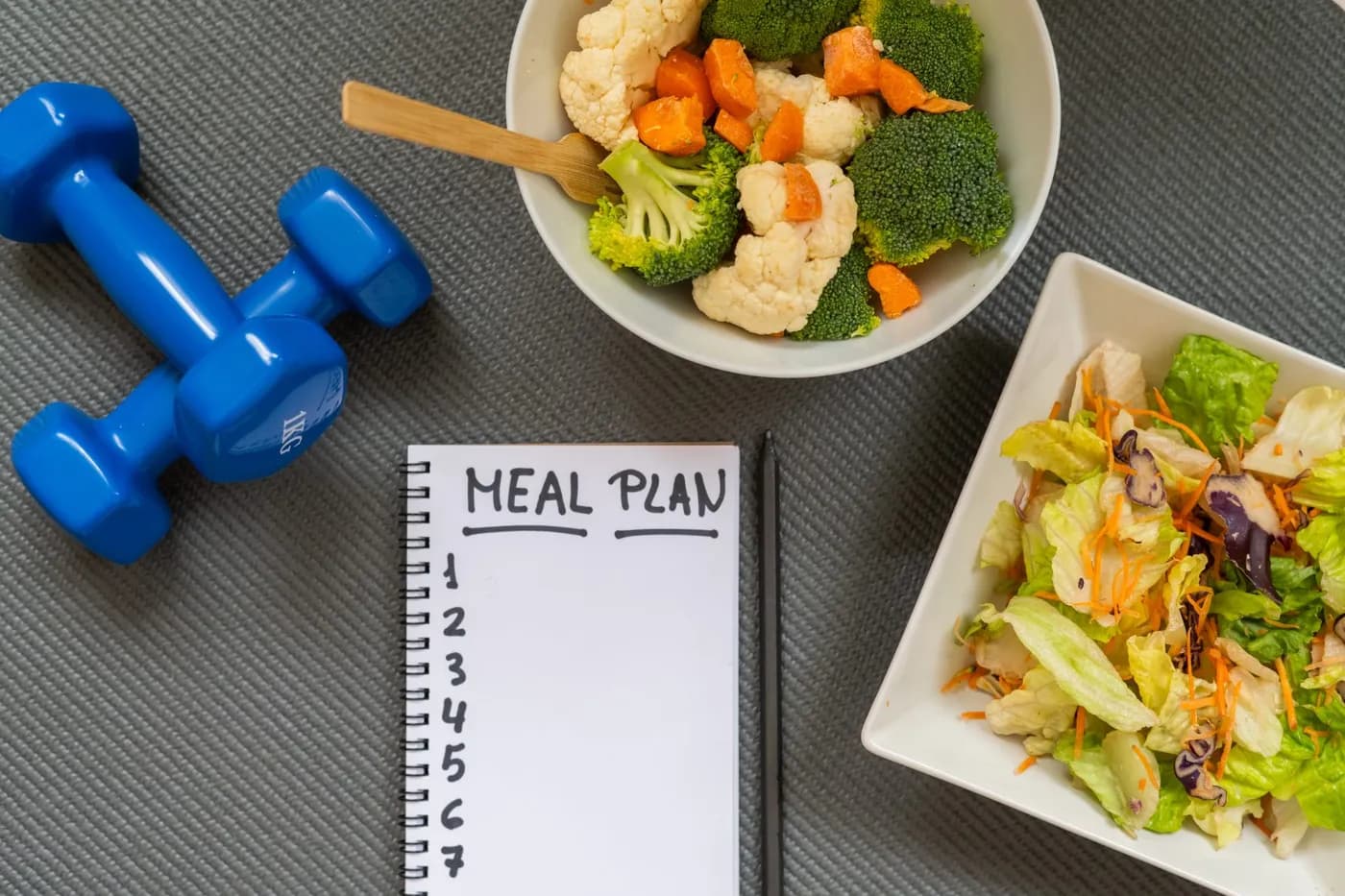
Key Takeaways
- Protein spread across meals supplies amino acids to repair muscle micro-tears
- Carbs keep glycogen stores topped up so training sessions don't run out of fuel
- Aim for roughly 1.6-2.2 grams of protein per kilogram of bodyweight daily
- Healthy fats from eggs, nuts, and avocado support muscle-growth hormones
- Visible muscle-building results typically take eight to twelve weeks
- Diet alone won't build muscle — it needs structured training alongside it
The best diet plan for muscle building gives your body a consistent supply of protein, quality carbohydrates, and healthy fats to repair muscle tissue, fuel workouts, and support steady progress over time. Combined with structured training, the right nutrition makes a measurable difference from the very first week.
If you want to build muscle effectively, training hard is only half the equation — what you eat matters just as much. Whether you're a beginner or returning to structured training, getting your nutrition right from day one sets you apart from those who rely on effort alone.
Key Benefits of Following a Muscle Building Diet
- Builds and Repairs Lean Muscle Tissue Protein is the building block your muscles rely on after every training session. Eating adequate protein — spread across meals — gives your body the amino acids it needs to repair micro-tears in muscle fibres and gradually increase muscle mass.
- Boosts Workout Performance and Energy Carbohydrates are your muscles' primary fuel source. A well-structured muscle building diet ensures your glycogen stores are topped up before and after training, so you can push through sessions without running out of energy midway.
- Supports Faster Recovery Between Sessions Nutrients like magnesium, zinc, and omega-3 fatty acids play a quiet but important role in reducing inflammation and supporting tissue recovery. Eating a varied whole-food diet makes it easier to hit these micronutrient targets naturally.
- Improves Hormonal Balance for Muscle Growth Healthy fats — found in foods like eggs, nuts, and avocado — support testosterone and growth hormone levels, both of which influence how efficiently your body builds muscle over time.
- Helps Manage Body Composition A structured diet plan for muscle gain gives you a caloric surplus without unnecessary fat accumulation. Eating the right foods at the right times — rather than just eating more — helps you add lean mass while keeping body fat in check.
How to Get Started with a Muscle Building Diet
What You Need to Begin
You don't need expensive supplements or complicated meal plans to start eating for muscle. A few simple habits set the foundation: prioritise whole foods, track protein intake loosely, and stay consistent. Most beginners do well aiming for roughly 1.6–2.2 grams of protein per kilogram of bodyweight per day.
Pairing your diet with a guided strength training program gives you the stimulus your muscles need to respond to improved nutrition — food alone won't build muscle without the training signal.
Setting Realistic Goals
Muscle building is a slow, consistent process. Expecting dramatic changes in two weeks sets you up for frustration. A more useful mindset is to focus on weekly habits — hitting protein targets most days, eating enough calories to support training, and sleeping well. Results typically become visible after eight to twelve weeks of consistent effort.
Start with the Basics
Before worrying about meal timing or advanced strategies, nail the fundamentals. Eat three to four balanced meals a day, include a protein source at every meal, and don't skip carbohydrates — especially around your workouts. Hydration matters too; even mild dehydration reduces strength output.
Best Foods for a Muscle Building Diet
Eggs
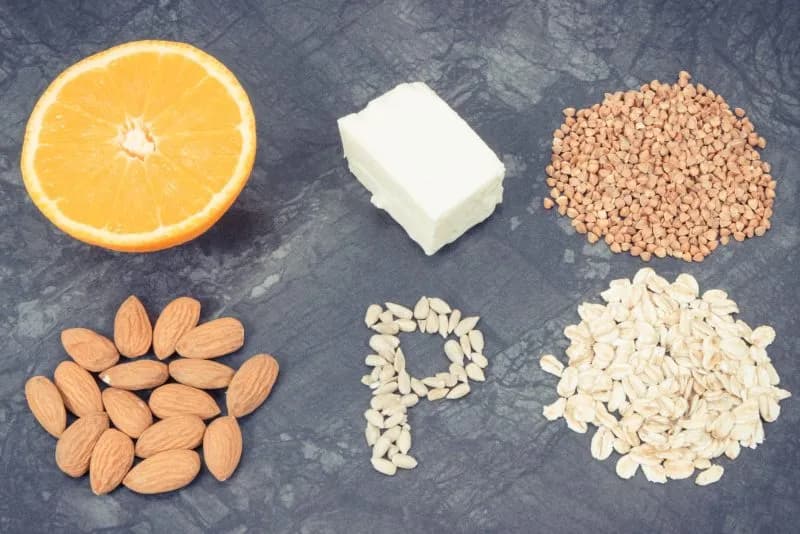
One of the most bioavailable protein sources available. Whole eggs provide leucine — the amino acid most directly linked to triggering muscle protein synthesis — along with healthy fats and vitamin D. Aim for 2–3 whole eggs per day as part of a balanced intake.
Paneer
For vegetarians, paneer is a reliable alternative — roughly 18g of protein per 100g — and pairs well with high-carb meals. Include one of these at lunch and dinner.
Brown Rice and Oats
Complex carbohydrates that provide sustained energy for training. Brown rice is ideal as a post-workout carb source alongside a protein-rich dish. Oats make an excellent pre-workout breakfast — slow-digesting, filling, and easy to prepare. Target 60–80g (dry weight) per serving.
Lentils and Chickpeas (Dal and Chana)
Affordable, high-protein plant foods that also deliver fibre, iron, and B vitamins. A cup of cooked lentils provides around 18g of protein. Including a dal at one meal per day is a practical way to keep protein intake up without relying heavily on animal sources.
Greek Yoghurt and Milk
Both contain a mix of fast-digesting whey and slow-digesting casein protein — making them particularly useful as a pre-sleep snack to support overnight muscle recovery. A bowl of Greek yoghurt with a handful of nuts is a simple, effective option.
Nuts, Seeds, and Healthy Oils
Almonds, walnuts, flaxseeds, and olive oil provide the healthy fats needed for hormone production. A small handful of mixed nuts between meals also helps maintain a caloric surplus without large, heavy meals that might affect training energy.
Bananas and Sweet Potatoes
Both are fast-fuel carbohydrate sources best consumed around workouts. A banana 30 minutes before training or a portion of roasted sweet potato after training helps replenish glycogen and supports recovery. These are staples in a practical diet plan for muscle gain.
Common Mistakes to Avoid on a Muscle Building Diet
- Not Eating Enough Protein This is the most common mistake. Many people training for muscle gain underestimate how much protein they actually need. Eating a protein-rich food once or twice a day isn't enough — distribution across three to four meals produces better muscle protein synthesis throughout the day.
- Skipping Carbohydrates Out of Fear Carbs are not the enemy of muscle building — they're essential. Cutting carbs aggressively while strength training leaves you under-fuelled, which directly limits how hard you can train and how well you recover. Keep carbohydrate intake moderate to high, especially on training days.
- Relying Too Heavily on Supplements Protein powders and creatine can play a supporting role, but they shouldn't replace whole food meals. Supplements are just that — supplemental. A well-structured whole-food diet will always outperform a poor diet patched over with powders.
- Inconsistency in Eating Patterns Eating well for three days and then reverting to irregular, low-protein eating over the weekend significantly slows progress. Muscle building requires a sustained nutritional environment — not perfect eating, but consistent enough eating. This mirrors the consistency principle that underlies building both muscle strength and endurance over time.
Who Should Follow a Muscle Building Diet Plan?
- Beginners If you've just started training, your body responds quickly to even modest nutritional improvements. You don't need a complex plan — focus on hitting protein targets and eating enough calories to support training. Simple, repeatable meals work better than elaborate ones you won't stick to.
- Women Women benefit enormously from structured muscle building nutrition, and the approach is largely the same as for men. The concern that eating for muscle will cause bulk is largely unfounded — women have significantly lower testosterone levels, which means muscle gain is a slow, lean process. A muscle building diet supports female strength training goals without unwanted bulk.
- Older Adults After age 40, the rate of muscle protein synthesis naturally slows — a process called sarcopenia. A higher protein intake (closer to 2–2.2g per kg) combined with structured resistance training can help manage this gradual loss of muscle mass. Always consult a healthcare professional before making significant dietary changes if you have existing health conditions.
- Working Professionals A practical muscle building diet doesn't require hours of meal prep. Batch-cooked dal, rice, eggs, and yoghurt cover most nutritional bases and can be prepared in under an hour for the entire week. For people with limited time, consistency with simple meals matters far more than dietary perfection.
Build Strength with a Routine That Actually Works
Building muscle isn't about doing random workouts or following a complex diet for a few weeks — it's about consistency, structured guidance, and a nutritional approach that works alongside your training. With the right support, you can train effectively from home and see real, gradual progress over time.
What You Get with Habuild's Strength Training Program:
- Daily live guided strength sessions led by expert trainers
- Beginner to advanced progression so you're always challenged appropriately
- No-equipment and home-friendly workout options
- Guidance on form to keep training safe and effective
- A consistent community that keeps you accountable
Pair your muscle building diet with a structured program and the results compound over time. Explore how dedicated strength training for muscle strength complements the nutritional foundation you're building.
Start Your Muscle Building Journey
Enrol in Habuild's Strength Training Program →
Related reads: How to Lose Fat While Building Muscle · Muscle Building Exercises at Home: Complete Guide
Nutrition only delivers on its promise when it's paired with training that progresses at a similar pace — protein and calories without a structured lifting plan behind them can only do half the job. Following a program that sequences your workouts the way this piece sequences your meals is what turns good nutrition into visible muscle. Strong Everyday provides that structured training counterpart, so your diet and your workouts are finally working toward the same goal.
Frequently Asked Questions
Related Articles

Muscle Building Exercises at Home: Complete Guide
Discover the best muscle building exercises at home — no gym needed. Build strength, boost metabolism & start your ₹1 trial with Habuild today.


How to Lose Fat While Gaining Muscle: A Complete Guide
Body recomposition is achievable with structured resistance training, adequate protein, and consistent effort — most beginners see visible changes within 8-12 weeks. See the complete guide.

How to Build Upper Chest Muscles: Exercises, Tips & a Plan That Works
The upper chest responds to incline pressing and upward fly movements at 30-45 degree angles — producing visible fullness near the collarbone within 8-12 weeks. See the full plan.

Back Workout with Dumbbells: Exercises, Benefits & How to Get Started
Rows, deadlifts, and pullovers target the latissimus dorsi, rhomboids, trapezius, and erector spinae, with minimal equipment needed. See the benefits and best exercises.

What Muscles Do Squats Work?
Squats recruit the quadriceps, glutes, hamstrings, hip flexors, core stabilisers, and calves simultaneously — the exact emphasis shifts with variation, stance, and depth. See the full muscular breakdown.

Strength Training and Endurance: Benefits, Exercises & Tips
Discover how strength training and endurance work together to build muscle stamina, boost performance, and improve overall fitness. Start your 14-day free trial trial today.