
Banana Benefits: Nutrition, Ripeness and Best Times to Eat One
Bananas provide carbohydrate, fibre, potassium and vitamin B6 in a portable fruit. Learn ripeness, portions and the best times to eat one.
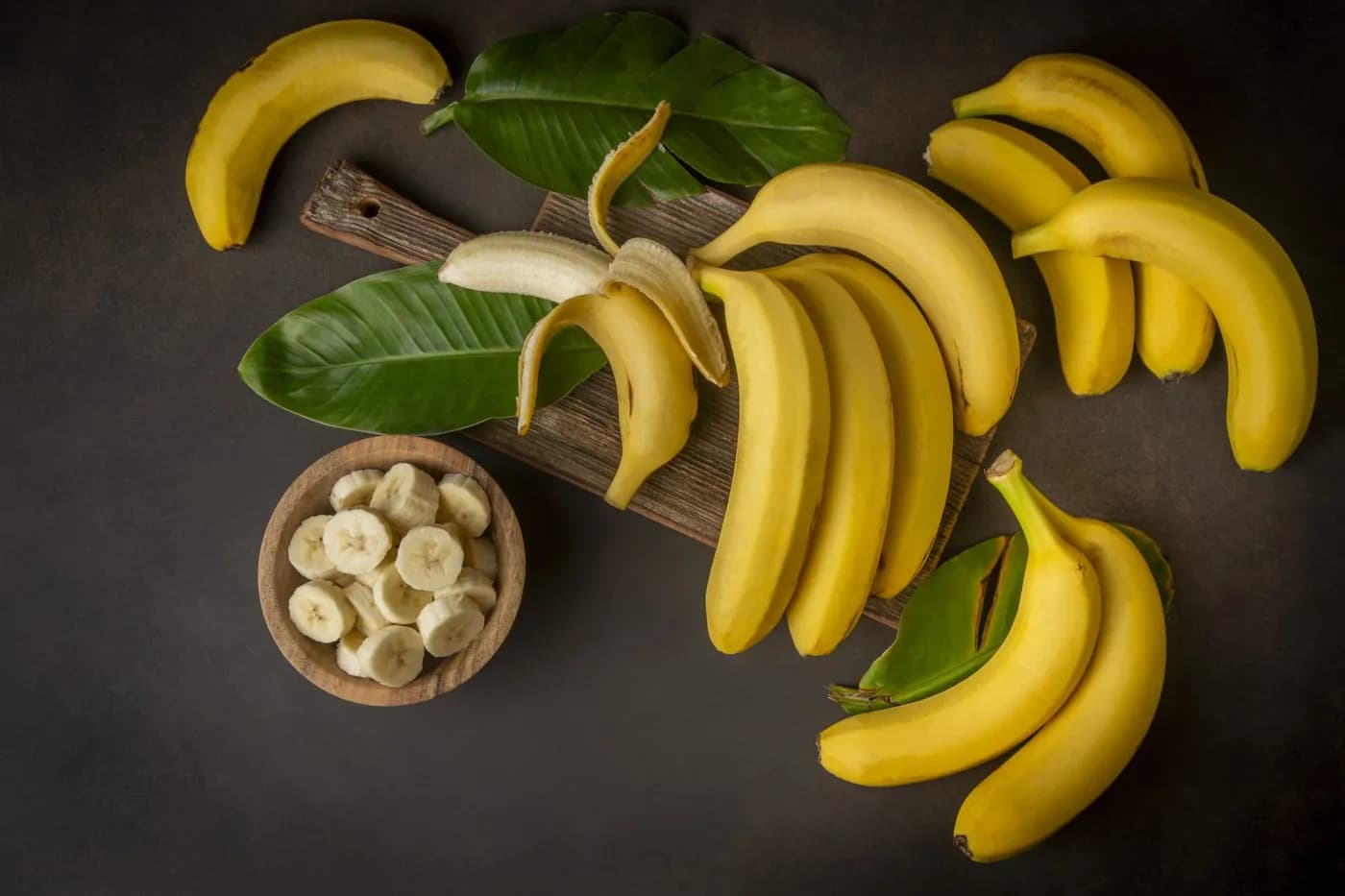
Key Takeaways
- Bananas provide carbohydrate, fibre, potassium and vitamin B6.
- Ripening changes some starch into sugar, but the fruit remains nutritious.
- Pairing it with curd, nuts or seeds can make a snack more balanced.
- Whole fruit is generally more filling than juice or a sweetened shake.
- People following a potassium restriction should ask their clinician about portions.
Bananas are affordable, portable and easy to add to an Indian meal or snack. They provide carbohydrate, fibre, potassium and vitamin B6, but they are sometimes described as either a perfect food or a fruit to avoid. Neither view is accurate.
Realistic banana benefits depend on portion, ripeness, what you eat with the fruit and your individual health needs. A banana can provide convenient energy and useful nutrients, but it does not cure weakness, cause weight gain automatically or become unhealthy simply because it is ripe.
Banana nutrition at a glance
A medium fruit mainly provides carbohydrate, along with fibre and naturally occurring sugars. It also contributes potassium and vitamin B6. The exact amount varies with size and variety, so a small elaichi banana and a large Cavendish banana are not identical portions.
Potassium supports nerve and muscle function and fluid balance. Vitamin B6 is involved in metabolism, while fibre supports digestion and fullness. These banana benefits come within a whole fruit rather than a strained drink.
Banana nutrition is useful, but no single fruit supplies everything. Include different seasonal fruits, vegetables, dals, whole grains, nuts and seeds across the week. Habuild’s everyday diet and nutrition guide explains how variety supports a more balanced plate.
Possible banana benefits
Convenient energy
Its carbohydrate makes it a convenient snack before walking, yoga or a workout. These banana benefits may suit active days, although some people prefer half a fruit or more digestion time.
It is not an “energy cure.” Persistent tiredness can be linked to sleep, anaemia, thyroid problems, stress, infection or medicines and needs assessment.
Digestion and regularity
Fibre may support regularity alongside vegetables, pulses, whole grains and fluid. These banana benefits vary; one fruit will not cure constipation and may cause bloating in some people.
If your diet is low in fibre, increase it gradually. Habuild’s guide to high-fibre foods offers vegetarian options that can be introduced slowly.
Potassium and blood pressure
Potassium-rich foods can form part of a heart-friendly pattern. However, banana benefits are not a treatment for high blood pressure; sodium, activity, sleep, medicines and the full diet matter more.
Do not stop blood-pressure medicine or start consuming several fruits daily based on this claim. People with kidney disease or prescribed potassium limits may need a different plan.
Fullness and weight management
Whole fruit provides texture and fibre. These banana benefits may support fullness, but the effect depends on what the fruit replaces. A sweetened shake differs from choosing whole fruit instead of dessert.
Bananas do not directly create belly fat, and avoiding them does not guarantee weight loss. Portions, total intake, activity, sleep and health conditions all influence weight.
Does ripeness change the fruit?
As the fruit ripens, some starch changes into sugars. A green or just-ripe banana is firmer and less sweet; a spotted one is softer and sweeter. The calorie difference is not dramatic enough to label one stage “good” and another “bad.” Size usually affects the portion more than peel colour.
Less-ripe fruit contains more resistant starch and may cause gas in sensitive people. Ripe fruit is easier to mash and may feel gentler.
Choose the stage you digest well. Very ripe pieces can sweeten porridge or pancakes, but discard mouldy, leaking or fermented fruit.
How to eat bananas in a balanced way
If you are wondering how to use bananas beyond eating them plain, keep the combinations simple and vegetarian:
- Slice one over oats or dalia and add a few nuts.
- Pair it with plain curd, chia or ground flax.
- Spread unsweetened peanut butter on half a fruit.
- Add pieces to a fruit bowl rather than drinking juice.
- Blend a small amount with milk or unsweetened soy milk without extra sugar.
- Mash it into atta or pancake batter for sweetness and moisture.
- Carry one with roasted chana for a practical travel snack.
Pairings help place banana benefits in a substantial snack. See Habuild’s protein-rich vegetarian foods for ideas.
What is a sensible portion?
There is no universal serving for everyone. One small or medium fruit is a practical portion for many adults, while a child or person with a smaller appetite may prefer half. Athletes or people with higher energy needs may choose more within a planned meal.
Appetite, activity, diabetes management and kidney function matter. Count the fruit within a carbohydrate plan rather than treating it as “free food.”
Best time to eat a banana
There is no required best time. Banana benefits can fit at breakfast, between meals or near exercise. Eating it at night does not automatically cause weight gain.
If eating fruit alone leaves you hungry, add curd, nuts, seeds or roasted chana. If it causes reflux or heaviness before bed, choose an earlier time. The best timing is one that supports comfort, appetite and consistency.
Safety and who should be careful
Most people can eat bananas as part of a varied diet. Seek personalised advice if you have kidney disease, take medicines that affect potassium or have been prescribed a potassium restriction. Do not increase intake simply because potassium is often described as heart-friendly.
Banana allergy is uncommon but possible, including in some people with latex allergy. Seek urgent help for breathing difficulty, facial swelling, faintness or widespread hives.
Serve children age-appropriate soft portions and supervise eating. Chips, sweetened shakes and desserts do not offer the same banana benefits as whole fruit and may contain added sugar, salt or fat.
A simple habit to try
Keep two or three fruits visible rather than buying a large bunch that may spoil. Pair one with a planned protein source on busy days—for example, plain curd or roasted chana. Review the habit after two weeks: keep it if it improves convenience and meal quality, and adjust the portion if it causes discomfort or waste.
Editorial sources
Frequently Asked Questions
Related Articles

Healthy fats: why your body needs fat
Healthy fats help your body absorb vitamins and support brain, hormones, joints, cells and daily meals. Learn simple vegetarian sources and habits.

Good fats vs bad fats: choose fats wisely
Understand good fats vs bad fats in simple words. Learn which vegetarian fats to choose, what to reduce and how to read food labels better.
