
Beans and Legumes: Protein, Fibre and Easy Meals
Learn the nutrition of beans and legumes, easy Indian meal ideas, soaking and cooking safety, portions and tips to reduce gas.
Key Takeaways
- Beans and pulses add plant protein, fibre and minerals to meals.
- Rotate pulse varieties within a varied vegetarian diet.
- Cook dried beans thoroughly, especially kidney beans.
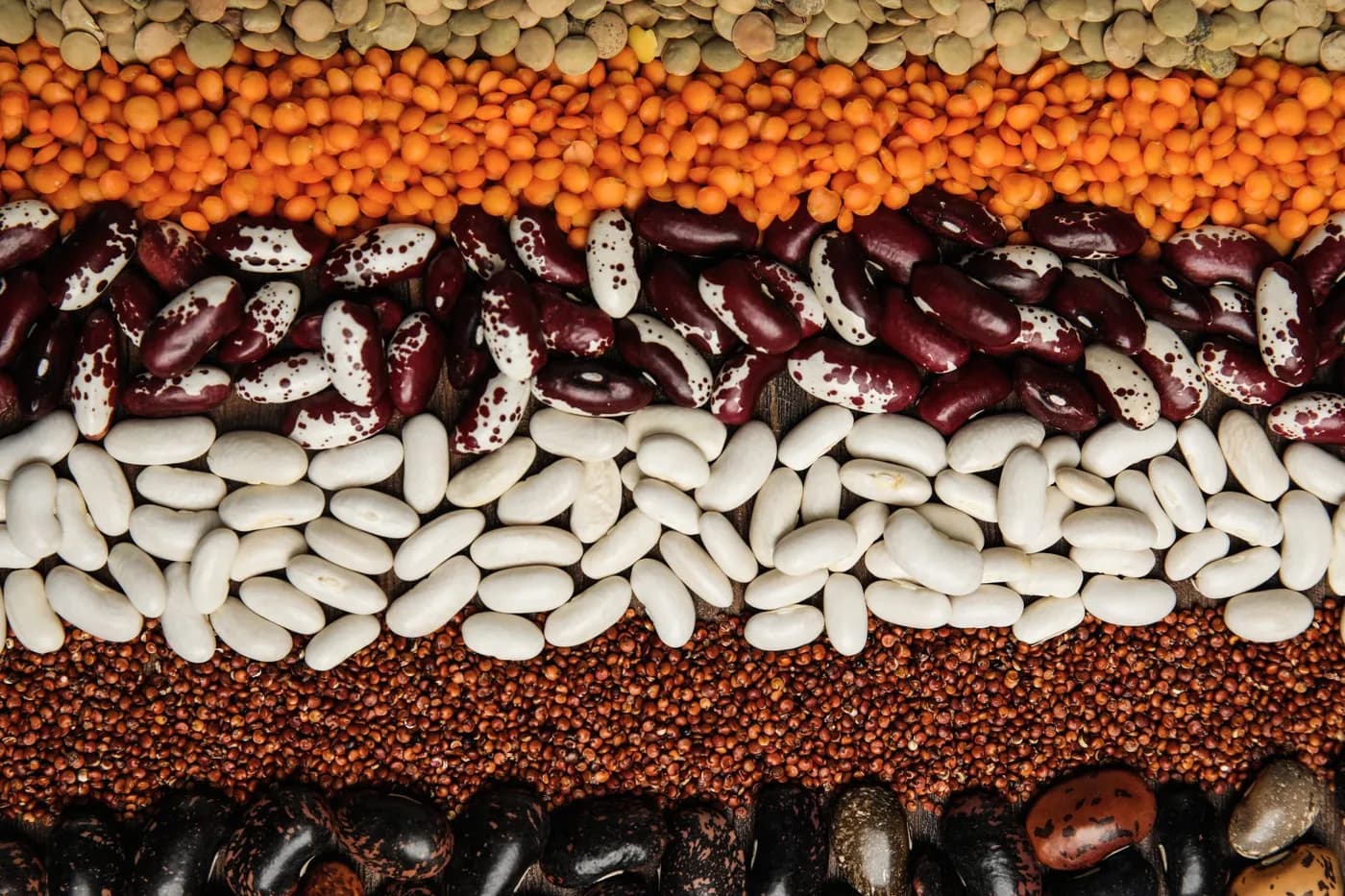
Beans and legumes are familiar foods in Indian kitchens, but their names can be confusing. Rajma, chana, moong, masoor, urad and lobia are Indian pulses that bring plant protein, fibre and minerals to everyday meals.
Their value is practical rather than magical. A bowl of dal will not fix an unbalanced diet by itself, and no single pulse provides everything the body needs. Used regularly with grains, vegetables, curd, nuts or seeds, however, pulses can help make vegetarian meals more substantial and varied.
Beans, legumes and pulses: what is the difference?
A legume is a plant that produces seeds inside a pod. The group includes fresh peas, soybeans and peanuts as well as dried dals and beans. The word pulse refers to the dried edible seed. This distinction helps when learning how to cook beans and choose pulse varieties for different dishes.
In everyday conversation, the terms overlap. It is more useful to rotate familiar varieties than memorise the botanical categories.
What do they add to a vegetarian diet?
Plant protein
Protein helps the body maintain and repair tissues. Legume protein varies by type and serving size. Beans and legumes need not be combined with a particular grain at the same sitting to “complete” the protein. A varied day—dal with rice, curd as a snack and roti with chana—can provide a useful amino-acid mix.
Fibre and fullness
High-fibre beans can support bowel regularity and help a meal feel satisfying. Their combination of fibre, carbohydrate and legume protein gives meals more structure than plain rice or bread.
This does not mean the largest portion is automatically the best. People who rarely eat pulses may feel uncomfortable after a very large serving. The amount that suits you depends on your usual diet, appetite and digestion.
Folate, iron and other minerals
Indian pulses can contribute folate, iron, potassium, magnesium and zinc. Add lemon, amla, guava, tomato or capsicum to a meal of beans and legumes because vitamin C helps the body absorb plant iron.
If iron deficiency is a concern, ask a clinician whether testing is needed. Food habits can support nutrition, but diagnosed anaemia may require individual treatment.
Choosing a pulse for the meal
There is no “best” bean for everyone. Choose high-fibre beans and dals according to the dish, cooking time and your digestion.
- Moong and masoor: Cook relatively quickly and work well in dal, khichdi and soups.
- Toor and chana dal: Useful for thicker dals, sambhar and vegetable preparations.
- Chickpeas and kidney beans: Hold their shape in curries, salads and bowls but need longer soaking and cooking when dried.
- Lobia and dried peas: Affordable options for curries, chaats and one-pot meals.
- Soybeans and soy foods: Useful when a meal needs a more concentrated vegetarian protein source.
How to cook beans safely
Sort and rinse dried pulses, removing stones or damaged pieces. Lentils and split dals may not need soaking, but larger beans usually cook more evenly after soaking as directed on the pack.
Discard the soaking water, rinse again and cook in fresh water until the centre is completely soft. A pressure cooker saves time, but the exact cooking time varies with the bean, its age and the appliance.
Anyone preparing dried kidney beans should take extra care. Raw or undercooked rajma contains a natural lectin called phytohaemagglutinin. Do not taste it before it is fully cooked or rely on a slow cooker for the initial stage unless the method reaches a proper boil. Canned kidney beans are already cooked.
Refrigerate cooked portions promptly in covered containers. Use clean utensils and reheat only what you need.
Canned or dried: which should you buy?
Dried pulses are economical but take planning. Canned beans save time. Avoid swollen, leaking or deeply dented cans. Choose a lower-sodium option when available, then drain and rinse the contents.
Neither form is automatically healthier. Choose the one you can prepare safely without excessive salt, cream or oil. This matters more than whether the beans come from a can or a dry packet.
Easy vegetarian meal ideas
Indian pulses fit naturally into everyday food. Try one of these combinations:
- Moong dal khichdi with a cooked vegetable and plain curd.
- Rajma with rice, cucumber and a squeeze of lemon.
- Chana salad with tomato, capsicum, coriander and roasted cumin.
- Besan chilla filled with vegetables, served with mint chutney or curd.
- Masoor dal soup with whole-grain toast and a side salad.
- Lobia curry with roti and seasonal sabzi.
- Hummus or a white-bean spread in a vegetable roll.
- Tofu and vegetable stir-fry with rice or millet.
For batch cooking, prepare one plain pulse and season smaller portions differently. It can become dal one day, a salad addition the next and a wrap filling later.
What if pulses cause gas or bloating?
Some carbohydrates in beans and legumes reach the large intestine, where bacteria break them down and produce gas. The response differs from person to person.
Begin with a small serving and eat slowly. Cook whole beans until soft, and try split moong or masoor if larger beans feel difficult. Avoid testing several unfamiliar high-fibre foods in one meal because it becomes hard to identify what caused the discomfort.
Persistent pain, vomiting, blood in the stool or an unexplained change in bowel habits needs medical advice. People with a digestive condition may benefit from a registered dietitian instead of removing an entire food group.
Who may need individual advice?
People with kidney disease may need personalised limits for potassium, phosphorus, protein or fluid. Those taking medicines for diabetes should monitor their readings as advised because the carbohydrate portion of a pulse meal still counts. Anyone with a known soy or peanut allergy must avoid the relevant legume.
Editorial sources
Editorial note: This article was independently researched and written for Habuild Habitology. It should be checked by a qualified nutrition or medical reviewer before publication.
Frequently Asked Questions
Related Articles

Healthy fats: why your body needs fat
Healthy fats help your body absorb vitamins and support brain, hormones, joints, cells and daily meals. Learn simple vegetarian sources and habits.

Good fats vs bad fats: choose fats wisely
Understand good fats vs bad fats in simple words. Learn which vegetarian fats to choose, what to reduce and how to read food labels better.
