
Beetroot Juice Benefits: Nutrition, Timing and Smart Choices
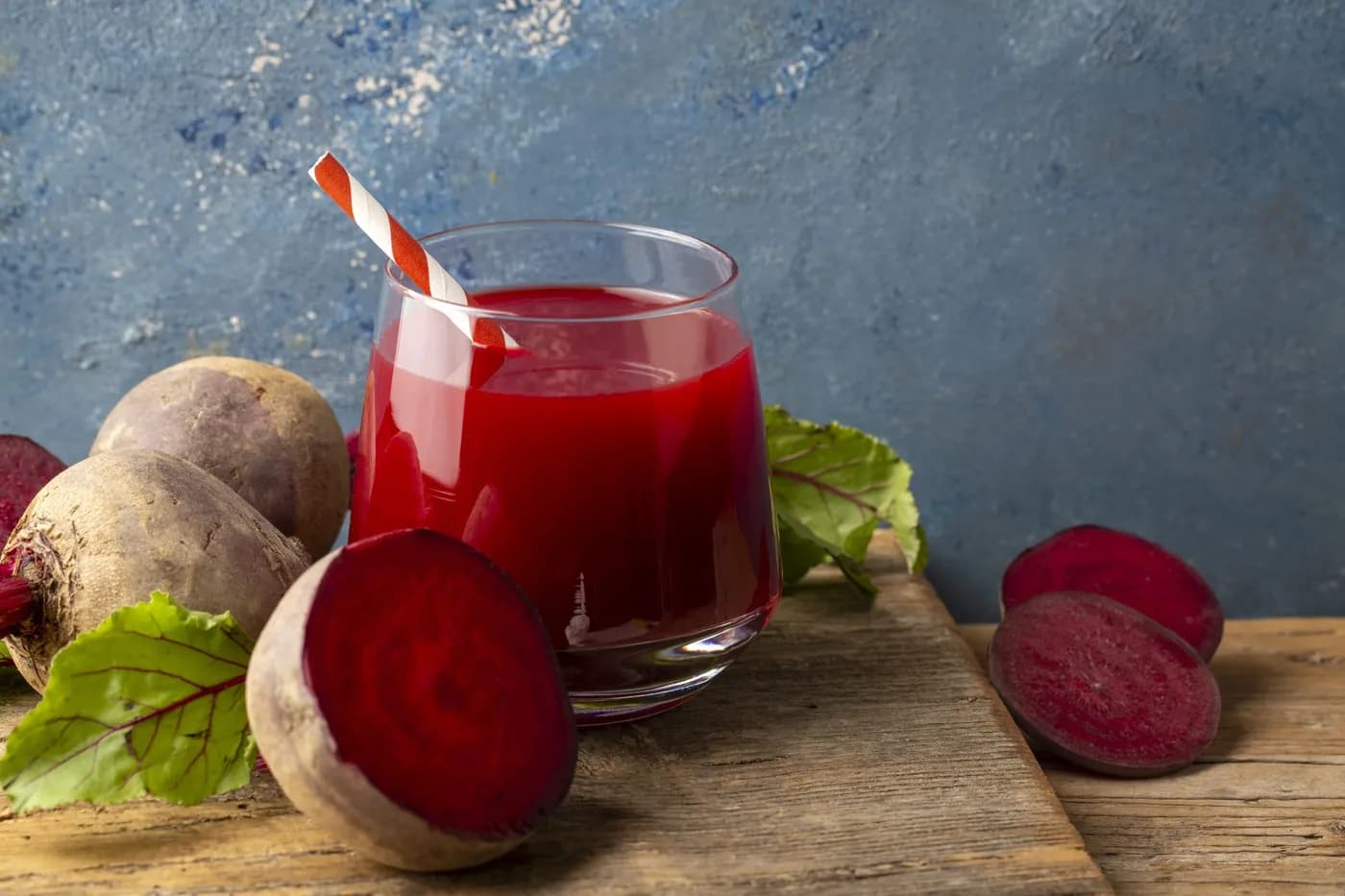
Beetroot juice benefits can affect hydration, energy or nutrient intake depending on its ingredients. Packaged and homemade versions may differ greatly.
Key Takeaways
- Beetroot juice supplies dietary nitrate, folate, potassium and betalain pigments.
- Research suggests a modest blood-pressure effect in some people, but results vary.
- A nitrate-rich serving taken before exercise may support endurance in some situations.
- Juicing removes much of the fibre found in whole beetroot.
- People with low blood pressure, kidney-stone concerns or regular medicines may need individual.
Beetroot juice is naturally colourful, earthy and rich in dietary nitrate. The body can convert this nitrate into nitric oxide, which helps blood vessels relax. This explains why beetroot juice benefits are often discussed in relation to blood pressure and exercise.
The research is interesting, but the drink is not a cure or a replacement for vegetables, medical treatment or a balanced diet. Its effect depends on the nitrate content, portion, timing and the person drinking it.
What is in beetroot juice?
Beetroot contains carbohydrate, folate, potassium and colourful betalain compounds. Juice concentrates some components into an easy-to-drink form, although its nutrition varies with the beet variety, processing and serving size.
The best-known component is nitrate. Bacteria in the mouth help convert dietary nitrate into nitrite, which can later contribute to nitric oxide production. This pathway is different from the nitrates and nitrites added to some processed meats.
Whole beetroot versus juice
Whole beetroot provides fibre and requires chewing, which can support fullness. A glass of juice may contain several beets but considerably less fibre.
Neither form is universally better. Whole beetroot suits everyday meals, while juice is convenient when a concentrated nitrate source is wanted.
Packaged drinks may be diluted or blended with apple, carrot or other juices. Check the ingredient list, serving size and added sugar instead of assuming every red drink has the same composition.
Possible beetroot juice benefits
Blood pressure
Dietary nitrate can increase nitric oxide availability and help blood vessels widen. Clinical studies suggest nitrate-rich beetroot juice may produce a small reduction in blood pressure, particularly systolic pressure, in some groups. (American Heart Association)
The response is not identical for everyone. A short-term change does not prove that the drink prevents heart attacks or strokes. Anyone with hypertension should continue prescribed treatment and regular monitoring.
Exercise performance
Beetroot juice is popular among runners, cyclists and other endurance athletes. By influencing blood flow and the efficiency with which muscles use oxygen, dietary nitrate may reduce the oxygen cost of exercise or help some people sustain effort for longer.
Benefits tend to be more consistent for endurance activity than for brief strength or sprint performance. Training status also matters. Highly trained athletes may experience a smaller or less predictable effect.
A supplement cannot compensate for inadequate training, sleep, hydration or fuelling.
Plant compounds
Betalains give red beetroot its deep colour and have antioxidant activity in laboratory research. Beetroot can contribute these compounds to a varied diet, but the term “antioxidant” does not mean the juice detoxifies the liver or treats inflammation by itself.
Digestion
Juice provides fluid but little fibre compared with the whole vegetable. If constipation or fullness is the goal, roasted beetroot, beetroot salad or grated beetroot may be more helpful.
A mixed diet containing pulses, vegetables, fruit and whole grains remains important.
When should you drink it?
For general nutrition, there is no special time. It can be taken with breakfast or another meal if the flavour and acidity are comfortable.
For exercise, research commonly uses nitrate-rich beetroot products around two to three hours beforehand. This allows time for nitrate conversion. (Mayo Clinic Press)
The actual nitrate amount matters more than the colour or volume, and many ordinary juices do not state it. Trying a new concentrated drink for the first time on race day is unwise.
How much is sensible?
There is no universal daily serving. Research protocols often use concentrated products with a defined nitrate dose, so their results cannot be transferred directly to every homemade glass.
For an everyday drink, start with a small serving and assess its taste, digestion and total carbohydrate. Larger quantities are not automatically better.
People managing diabetes should count the drink within their carbohydrate intake rather than treating it as a free food.
Simple ways to use beetroot juice
- Blend fresh beetroot with water, ginger and lemon, keeping some pulp instead of straining everything.
- Combine a small portion with carrot or orange for a milder taste without adding table sugar.
- Use leftover pulp in atta, soup, cutlets or vegetable patties.
- Choose pasteurised packaged juice with a short ingredient list.
- Refrigerate fresh juice promptly and prepare only the amount you will use.
Wash beetroot under running water before cutting. Use clean equipment and do not leave freshly prepared juice at room temperature for long.
Pregnant people, young children, older adults and those with reduced immunity should avoid unpasteurised packaged juices.
Safety and possible side effects
Low blood pressure and medicines
Because nitrate-rich juice may lower blood pressure, large or concentrated servings require caution in people who already have low readings or take blood-pressure medicines.
Dizziness, weakness or fainting needs medical attention.
Kidney stones and kidney disease
Beetroot contains oxalate, which may matter to people with a history of calcium oxalate kidney stones. Kidney disease can also change potassium and fluid needs. (health.clevelandclinic.org)
These conditions require individual dietary advice rather than a blanket ban for everyone.
Beeturia and digestive changes
Red or pink urine or stool after eating beetroot is called beeturia and is usually harmless. However, do not assume every red colour is food-related.
Seek medical advice when bleeding is possible, the colour persists or other symptoms occur.
Large servings may cause bloating, nausea or diarrhoea in some people. Beetroot allergy is uncommon but possible. Breathing difficulty, facial swelling, faintness or widespread hives require urgent help.
What beetroot juice cannot do
It cannot cure high blood pressure, instantly increase stamina, detoxify the body or guarantee weight loss.
It also does not provide the fibre and meal structure of whole vegetables. Its realistic role is as one optional nitrate-rich drink within a varied eating pattern.
Frequently Asked Questions
Related Articles

Healthy fats: why your body needs fat
Healthy fats help your body absorb vitamins and support brain, hormones, joints, cells and daily meals. Learn simple vegetarian sources and habits.

Good fats vs bad fats: choose fats wisely
Understand good fats vs bad fats in simple words. Learn which vegetarian fats to choose, what to reduce and how to read food labels better.
