
Best Vitamin Supplements for Women: What Your Body Actually Needs
The best vitamin supplements for women address the gaps most common at each life stage — iron, calcium, folate, and vitamin D. See what to choose based.
Key Takeaways
- Needs shift by life stage – iron and folate matter most in reproductive years.
- Calcium and vitamin D work together – vitamin D helps the body absorb the calcium.
- Pregnancy raises folate, iron, and iodine needs, usually met with a specific prenatal formula.
- Post-menopause, iron needs drop while calcium and vitamin D needs rise sharply.
- Whole food should be the starting point – supplements fill a confirmed gap.
The best vitamin supplements for women address the gaps most common at each life stage—iron, calcium, folate, and vitamin D—rather than a single one-size-fits-all pill. What’s actually useful depends on your age, diet, and whether you’re pregnant, breastfeeding, or approaching menopause.
How to Choose the Best Vitamin Supplements for Women
Quick answer: match the supplement to your life stage and diet, not to what’s trending.
- Iron — important during reproductive years due to monthly blood loss, but not automatically needed after menopause.
- Calcium and vitamin D together — vitamin D helps your body actually absorb the calcium, so look for both rather than calcium alone.
- Folate (not just folic acid) — essential during the reproductive years and especially before and during pregnancy, when it supports early fetal development.
- B12 — a common gap for women on a largely plant-based or low-dairy diet.
- Third-party tested — check for batch testing, since supplement quality varies far more than most people assume.
What the Best Vitamin Supplements for Women Cover at Different Life Stages
Requirements shift more for women than for men, largely because of menstruation, pregnancy, breastfeeding, and menopause. In the reproductive years, iron and folate needs are higher, especially for women with heavy or frequent periods, who may need more iron than a standard formula provides. During pregnancy, folate, iron, and iodine become critical for the baby’s development, which is why doctors usually prescribe a specific prenatal formula rather than a generic one. While breastfeeding, needs for vitamin D, calcium, and iodine stay elevated to support milk production. Post-menopause, iron needs actually drop as periods stop, while calcium and vitamin D needs rise sharply to protect bone density as estrogen declines and bone loss speeds up. This is exactly why the best vitamin supplements for women aren’t one-size-fits-all — the right formula changes as your body’s needs change.
Do You Need the Best Vitamin Supplements for Women, or Should Food Come First?
Whole food should always be the starting point. A plate with dal, leafy greens, dairy or a calcium-rich alternative, seasonal fruit, and nuts covers most everyday needs. The best vitamin supplements for women make the most sense when there’s a confirmed gap—heavy periods causing low iron, a restrictive diet, pregnancy, or a lab-confirmed deficiency. Supplementing without knowing your actual numbers means you could be taking something you don’t need, or missing something you do.
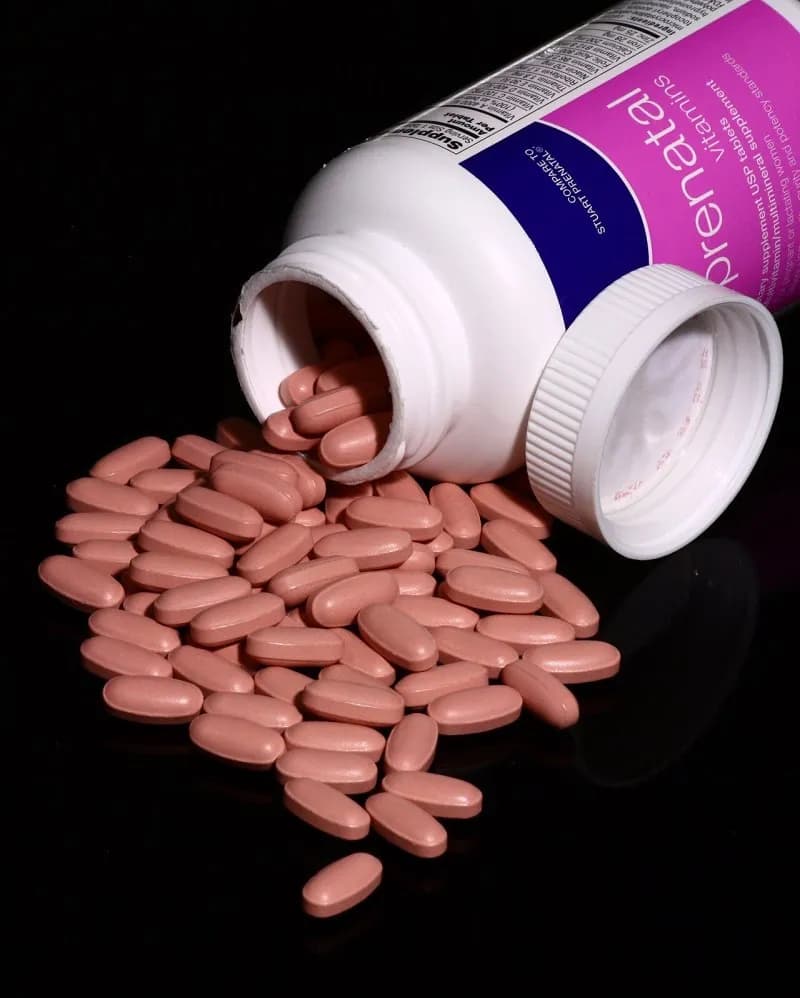
Photo: Ragesoss, CC BY-SA 3.0, via Wikimedia Commons
How to Evaluate the Best Vitamin Supplements for Women
Check the dose against your daily requirement rather than assuming “more is better.” Look at the form of iron used, since some forms cause less stomach upset than others, and check whether folate is listed as methylfolate or folic acid, as this matters for how well your body uses it. Avoid products that combine unusually high doses of vitamin A with iron, since both can be harmful in excess, especially during pregnancy. Getting this right is really what separates the best vitamin supplements for women from a generic multivitamin that just happens to be marketed to women.
The same label-reading habit applies if you’re shopping for the men in your life too — see the best multivitamin for men for the equivalent breakdown — and our multivitamin benefits guide covers what these supplements can and can’t realistically do.
Common Mistakes When Choosing the Best Vitamin Supplements for Women
A frequent mistake is taking a general multivitamin through pregnancy instead of switching to a prenatal formula with the right folate and iodine levels. Another is assuming every woman needs iron, when some women—especially post-menopause—may already have adequate or even high stores. And relying on a supplement to fix fatigue that’s actually caused by poor sleep, stress, or thyroid issues is a common and understandable mix-up worth ruling out with a doctor first.
Who Should Be Cautious Before Choosing a Supplement
Not every one of the best vitamin supplements for women is right for every body, and a few groups genuinely need to be more careful. Women with a history of kidney stones should check with a doctor before high-dose calcium or vitamin D supplements, since excess amounts can raise stone risk in susceptible people. Anyone on blood-thinning medication should be cautious with vitamin K and high-dose vitamin E, as both can interact with anticoagulants. Women with hemochromatosis or an iron-overload condition should avoid iron-containing formulas entirely, even though iron is a common ingredient in general women’s supplements. And anyone pregnant or planning pregnancy should always confirm with a doctor before continuing a general multivitamin rather than switching to a dedicated prenatal formula.
Common Mistakes to Avoid
- Taking a men’s or generic multivitamin instead: These often skip the extra iron and folate many women need, so a formula genuinely built as one of the best vitamin supplements for women tends to serve better.
- Assuming more calcium is always better: Excess calcium without enough vitamin D to help absorb it, or taken well past the daily requirement, doesn’t add extra bone benefit and can cause digestive discomfort.
- Stopping supplementation once symptoms improve: Fatigue or other deficiency signs can return quickly if a supplement is dropped before an underlying gap is actually corrected and confirmed by a follow-up blood test.
- Ignoring the folate form: Choosing a cheaper folic acid formula over methylfolate can matter for people who don’t convert folic acid efficiently, a detail easy to miss when comparing the best vitamin supplements for women on price alone.
Frequently Asked Questions
Related Articles

How to Improve Posture for Women: A Complete Guide
Poor posture contributes to chronic back pain, neck tension, low energy, and even breathing difficulties — and posture is trainable with the right.


Yoga for Weight Loss for Women: Poses, Routine & Tips That Actually Work
Dynamic poses, breathwork, and mindfulness support gradual, sustainable weight management — no gym, equipment, or prior fitness experience needed. See.

Yoga Benefits for Women: Poses, Routines & How to Get Started
Regular practice may gradually support hormonal balance, ease stress, strengthen the core, and help you feel more grounded in daily life. See which poses.