
Black chana and lauki sabzi: an easy lunch recipe
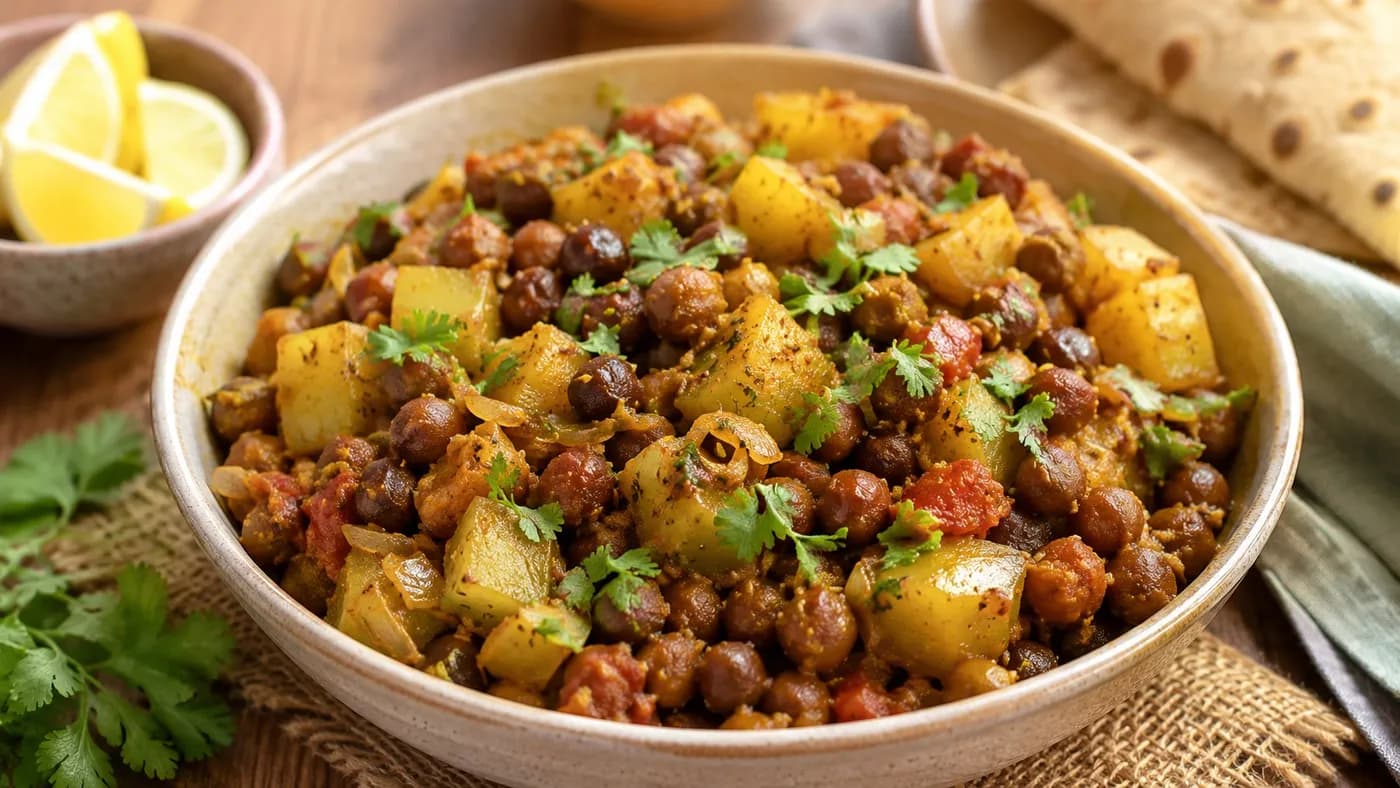
Black chana and lauki sabzi pairs a filling pulse with a light, water-rich vegetable in one lunch dish. See the full recipe.
Key Takeaways
- Combines kala chana’s protein and fibre with lauki’s water-rich, lighter texture.
- Squeezing lemon in after cooking adds vitamin C, which helps absorb plant-based iron.
- Undercooked chana is hard to digest and won’t absorb the gravy well.
- Check a raw piece of lauki for bitterness first – bitter bottle gourd can be unsafe.
- Use more lauki for a lighter gravy or more chana for a thicker curry.
Black chana and lauki sabzi combines a filling pulse with a light, water-rich vegetable. Kala chana gives the dish body and a nutty bite, while bottle gourd softens into the gravy. Tomato, ginger, cumin, turmeric and hing keep the flavour familiar, and lemon added at the end brightens the whole bowl.
This recipe works well for lunch because it can serve as the main vegetarian protein dish and the sabzi at the same time. Add roti, rice or millet and a small salad to complete the plate. The meal is simple, but soaking and cooking the chana properly makes a big difference to texture and digestion.
Plant foods such as kala chana provide iron, but the body does not absorb all plant iron equally. Adding lemon after cooking supplies vitamin C, which helps the body absorb plant-based iron better. This is a useful food pairing, though it does not replace medical treatment for low haemoglobin or anaemia.
Why black chana and lauki make a good pair
Kala chana contains protein, fibre and minerals. Lauki adds volume and moisture without making the dish too rich. Because the vegetable cooks down, it carries the spices and makes the chana feel less dry.
Pulses are an important vegetarian protein source in Indian dietary guidance. Combining them with vegetables is a practical way to improve the plate without needing a separate complicated recipe.
A meal that can be adjusted
Use more lauki for a lighter, gravy-style sabzi or more chana for a thicker curry. If kala chana feels heavy, begin with a smaller serving and cook it until very soft. Moong or masoor can be used on other days for variety.
Ingredients and preparation
- 1 cup kala chana, soaked overnight and boiled
- 2 cups chopped bottle gourd or lauki
- Tomato, ginger and chilli paste
- Cumin seeds
- A pinch of hing
- Turmeric and salt
- Optional chilli or dhania powder
- Half a lemon
- A small amount of cooking oil
Prepare the chana well
Sort and rinse the chana, then soak it in plenty of water overnight. Drain, rinse again and pressure cook with fresh water until it can be pressed easily between the fingers. Undercooked chana is hard to digest and does not absorb the gravy well.
Choose a fresh lauki
The bottle gourd should feel firm and have a clean, mild taste. If a small raw piece tastes unusually bitter, do not use it. Bitter bottle gourd can be unsafe.
How to cook black chana and lauki sabzi
- Heat a small amount of oil in a pressure cooker or deep pan.
- Add cumin and a pinch of hing. Let the cumin sizzle without burning.
- Add the tomato-ginger-chilli paste and cook for about two minutes.
- Add chopped lauki, turmeric and a small splash of water. Cover and cook until the lauki begins to soften.
- Add the boiled kala chana, salt and optional spices. Mix well.
- Add enough cooking liquid for the consistency you want, then simmer for five to eight minutes so the flavours combine.
- Turn off the heat. Squeeze in lemon just before serving and add coriander if available.
If you are using a pressure cooker for the full recipe, cook the lauki only briefly after adding the already-boiled chana. Too many whistles can turn the vegetable watery and break the chana apart.
How lemon supports plant iron absorption
Kala chana contains non-haem iron, the form found in plants. Vitamin C helps convert this iron into a form that is easier for the body to absorb. Lemon, amla, guava, tomato and capsicum are useful sources.
Add lemon after the heat is off for a fresh taste. You can also serve tomato-cucumber salad or a small piece of guava with the meal. Older Indian nutrition guidance specifically notes the value of vitamin C-rich foods with plant iron sources.
Keep tea and coffee away from the meal
Tea and coffee contain compounds that can reduce iron absorption when taken with food. If iron is a concern, leave a gap rather than drinking strong tea immediately after lunch. People with diagnosed anaemia still need proper testing and medical advice.
Serving ideas, storage and digestion tips
Build the plate
- Black chana-lauki sabzi + roti + salad
- Black chana-lauki sabzi + a small rice portion
- Black chana-lauki sabzi + millet roti
- Black chana-lauki sabzi + plain curd when dairy suits you
Make it easier to digest
Soak the chana, discard the soaking water, cook it soft and begin with a modest portion. Chew well. Hing, cumin and ginger add flavour, but they are not a guarantee against gas. Your gut may need time to adjust to pulses.
Store safely
Cool leftovers within a reasonable time and refrigerate in a covered container. Use within one to two days and reheat until steaming. Add fresh lemon after reheating rather than storing the dish with a large amount of lemon juice.
You can save time by boiling a larger batch of kala chana and freezing it in meal-size portions. Cool the cooked chana first, pack it with a little cooking liquid and thaw only what you need. This makes the sabzi practical on busy days without using canned or undercooked chana.
Frequently Asked Questions
Related Articles
Veg Daliya Recipe: A Simple High-Fibre Meal
Veg daliya recipe made with broken wheat or millet daliya, mixed vegetables, jeera and ghee. A simple high-fibre meal for breakfast or lunch.


Healthy fats: why your body needs fat
Healthy fats help your body absorb vitamins and support brain, hormones, joints, cells and daily meals. Learn simple vegetarian sources and habits.