
Black Seed Oil: Evidence, Side Effects and Safe Use
Black seed (kalonji) oil is sold as capsules and liquid. What the evidence shows, how to use it safely and which medicines may interact.
Key Takeaways
- Clinical evidence is promising in places but not strong enough for cure claims.
- The oil can cause digestive upset, allergy or medicine interactions.
- Blood-sugar and blood-pressure medicines require extra caution.
- Pregnancy and surgery are reasons to seek professional guidance.
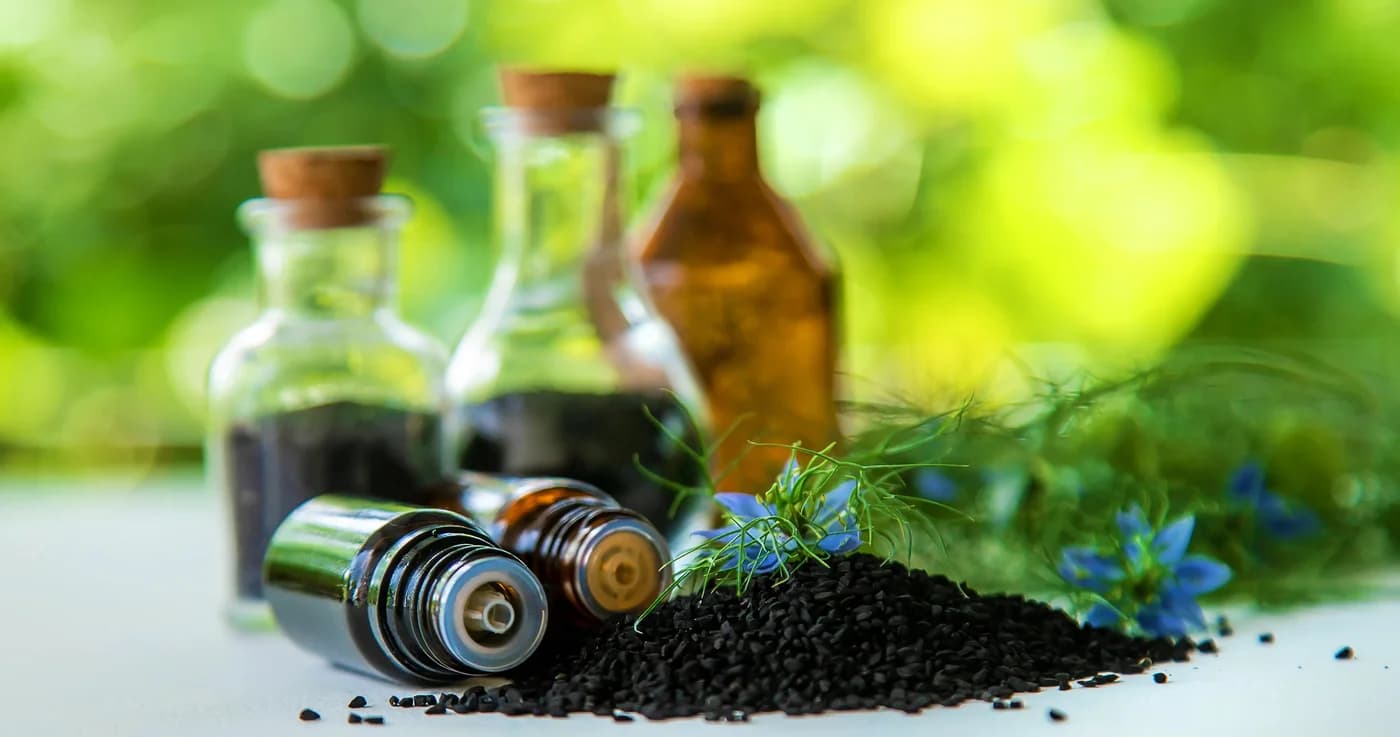
Black seed oil is pressed from Nigella sativa seeds, known in India as kalonji, and contains thymoquinone among many other compounds. Small trials have explored blood sugar, blood pressure, asthma and other outcomes, but products, doses and study quality vary. Culinary black seeds can flavour food; concentrated oil is a supplement and should not replace prescribed treatment or be treated as harmless because it is traditional. This guide focuses on the oil: its forms, what the evidence shows, side effects and who should be careful.
What is black seed oil?
It comes from the seeds of Nigella sativa. Cold-pressed oils retain the seed's characteristic flavour and compounds, while extracts may be standardised differently. Research on one preparation cannot automatically be transferred to a spoonful from another bottle.
Oil, capsules and skin products
Black seed oil is sold as a liquid oil, as capsules and in creams or cosmetic oils for skin and hair. These are different products. Capsules make the amount per serving clearer and avoid the strong taste, while liquid oils vary in flavour and freshness. Do not swallow topical, cosmetic or unidentified oil as a supplement. On the skin, the oil can irritate, especially when undiluted, so stop if redness or itching develops.
Separate kalonji in food from oil as medicine
A pinch of black seeds in naan, dal or vegetables is a culinary amount that adds flavour and texture. A spoonful of concentrated oil delivers a different exposure and should be judged as a supplement. Keeping these categories separate prevents traditional food use from being cited as proof that high-dose oil treats disease. Enjoy the seeds in recipes if tolerated.
Can it lower blood sugar?
Some small studies report modest changes, but the evidence is not sufficient to replace diabetes care. Combining the oil with glucose-lowering medicine could increase the risk of low blood glucose. Monitor according to your care plan and tell the prescribing clinician before starting a concentrated product.
What about blood pressure?
Trials have explored small reductions, yet methods and products differ. A supplement cannot substitute for prescribed medicine, sodium reduction, regular movement or follow-up. Dizziness or faintness after combining products needs prompt review rather than an assumption that the body is "detoxing".
Does it help asthma or immunity?
Laboratory and early clinical work is sometimes marketed as proof of broad immune boosting. Asthma can become life-threatening and requires an action plan and prescribed inhalers. Black seed oil should never be used for an acute attack or as a reason to stop controller medicine.
What side effects can occur?
Reported effects include nausea, bloating, diarrhoea, headache and skin reactions. Seek urgent help for swelling of the face or throat, breathing difficulty or collapse. Persistent milder symptoms are a reason to stop, not to increase the amount.
Which medicines may interact?
Possible effects on blood glucose, blood pressure, blood clotting and drug-metabolising enzymes create interaction concerns. Share the exact product with a pharmacist, especially if you take anticoagulants, and before any planned surgery. Limited interaction data means uncertainty, not proof that combinations are safe.
Pregnancy and breastfeeding
Culinary seed amounts differ from concentrated oil or extracts. Medicinal use in pregnancy and breastfeeding lacks sufficient safety evidence and may affect uterine activity. Avoid unsupervised supplementation and discuss any regular use with the maternity team.
How much should you take?
There is no universally established dose, and the amounts used in studies vary. Follow the product label rather than online recommendations, and if you are considering the oil for a health outcome, define the goal, check your medicines and agree on a stopping point with a qualified professional.
How do you choose and store it?
Choose a food or supplement product from a reliable manufacturer with transparent ingredients and testing. Dark glass and cool storage may help protect the oil. Discard it if the aroma becomes paint-like or rancid.
Editorial sources
Frequently Asked Questions
Related Articles
Kalonji Benefits: Uses and Safety
A clear guide to kalonji uses, realistic health evidence, simple food ideas and safety concerns around black seed oil and supplements.
How to Reduce Blood Sugar Level Immediately: 7 Fast, Natural Ways That Actually Work
Some interventions bring down an elevated reading within 10-30 minutes; others compound over the following hours. See 7 fast, natural ways that actually work.


Saw Palmetto: Evidence, Side Effects and Supplement Safety
Saw palmetto is sold for prostate and hair concerns, but good trials show little benefit over placebo. Here is what to know before trying it.
