
Kalonji Benefits: Uses and Safety
A clear guide to kalonji uses, realistic health evidence, simple food ideas and safety concerns around black seed oil and supplements.
Key Takeaways
- Kalonji is the seed of Nigella sativa, not regular cumin.
- Use small culinary amounts in rotis, vegetables, dals and pickles.
- Studies often test oils, powders or capsules rather than cooking amounts.
- Research does not justify replacing prescribed treatment.
- Medicines, pregnancy, breastfeeding and childhood require extra care with supplements.
Kalonji is a familiar spice in many Indian kitchens, but it is also sold as an oil and supplement. This has led to wide claims about kalonji benefits for blood sugar, cholesterol, immunity and weight. The seeds can add flavour and variety to food, while the research on concentrated products is still developing. Here is a practical guide to what we know, how to use it and when to be careful.
What is kalonji?
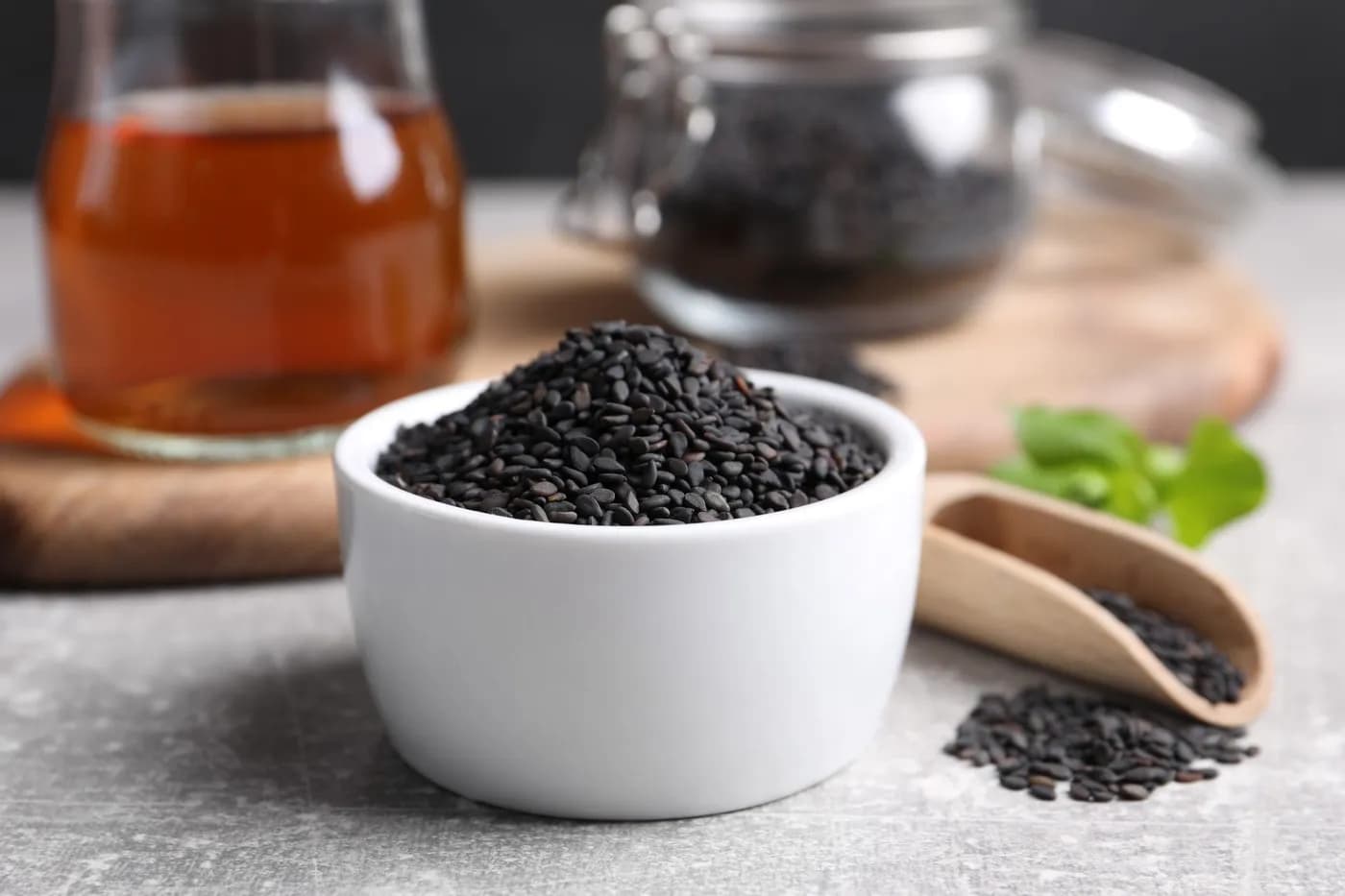
Kalonji consists of the small, dark seeds of the flowering plant Nigella sativa. You may also see it called black seed, black caraway or black cumin. Despite these names, it is botanically different from jeera and shah jeera.
The seeds have a slightly bitter, peppery and onion-like taste. In everyday cooking, a small quantity is used mainly for flavour. It may be added to tadka, mixed into atta or included in achar masala.
Kalonji seeds contain fat, fibre and several plant compounds. Thymoquinone is the best studied, but its amount varies with the seed, processing and product. Results from a standardised extract therefore cannot automatically be applied to every packet of seeds.
Possible kalonji benefits: what does the research say?
Research has examined the seeds for several metabolic and inflammatory markers. However, an overview of 20 meta-analyses found that most of the evidence was low or very low in quality. Differences in dose, product and participant health also make broad conclusions difficult. (1)
Blood sugar
Some trials report improvements in fasting blood sugar or HbA1c after supplementation. A 2024 review found possible reductions in these measures, but results varied greatly between studies. The authors also called for stronger, longer research to identify an effective dose and duration. (2)
This does not mean the spice benefits everyone with diabetes. Never adjust or stop diabetes medicine without medical advice; combining treatment with a supplement may lower blood sugar more than expected.
Cholesterol and blood pressure
Reviews have explored black seed benefits for cholesterol, triglycerides and blood pressure. Some pooled results suggest modest changes, but trials use different oils, powders, capsules and doses. A result measured under study conditions does not guarantee that a retail product will work in the same way.
For heart health, varied plant foods, regular movement, enough sleep, not smoking and taking prescribed medicine correctly still matter more. Kalonji can season meals, but it is not a treatment.
Inflammation, immunity and weight
Laboratory research and small human trials have studied antioxidant and inflammatory markers. A change in a marker does not prove that a food prevents illness. Claims about immunity and weight loss are often stronger than the evidence: kalonji is not an infection shield, fat burner or detox method.
How to use kalonji in everyday food
If you are wondering how to use kalonji, begin with its traditional role as a seasoning. Its flavour is distinctive, so a small pinch is usually enough.
- Add it to a tadka with jeera or mustard seeds for dal and vegetables.
- Mix a small amount into atta for rotis, parathas or savoury crackers.
- Sprinkle it over roasted cauliflower, pumpkin or potatoes before cooking.
- Include it in homemade pickle masala, while keeping salt and oil sensible.
- Add a pinch to chutneys, raita or a vegetable-based spread.
- Combine it with coriander, turmeric and other spices rather than taking it alone.
Try it in one familiar recipe and notice whether you enjoy the taste and digest it comfortably.
For a wider approach to balanced meals, use Habuild’s everyday Diet and Nutrition guide to build simple, repeatable habits.
Seeds, kalonji oil and supplements are not equal
A pinch of seed is different from a spoonful of oil or a concentrated capsule. Oil lacks the same fibre and food structure, while supplements may contain much larger amounts than a normal serving.
Product strength and purity differ. Labels such as “cold pressed”, “natural” or “herbal” do not prove effectiveness or safety. Check the ingredients, directions, manufacturer and expiry date. Never swallow a cosmetic product.
Kalonji safety and possible interactions
Larger amounts may cause nausea, stomach discomfort, diarrhoea or an unpleasant aftertaste. Topical use can cause irritation or allergy; stop if burning, swelling, rash or breathing trouble occurs.
Kalonji products may affect blood sugar, blood pressure or blood clotting. Speak with a doctor or pharmacist before regular supplement use if you take:
- diabetes medicines;
- blood-pressure medicines;
- blood thinners or antiplatelet medicines;
- medicines that affect the liver or kidneys; or
- several medicines for a long-term condition.
Stop supplement use before surgery if your surgical team advises it. Do not wait until the day of the procedure to mention herbal products.
Pregnancy, breastfeeding and children
Culinary use and medicinal-dose use should not be treated as the same. Safety information for concentrated products during pregnancy and breastfeeding is limited, so avoid large amounts or supplements unless a qualified clinician recommends them.
A recent paediatric review found limited studies using different forms and doses. Researchers said more high-quality evidence is needed before effectiveness and safety can be established. (3)
Do not give capsules or kalonji oil to a child as a remedy without paediatric advice. Seeds may also be a choking concern for very young children.
Choosing and storing kalonji
Buy seeds from a reliable food retailer. They should smell fresh, not damp or stale. Keep them airtight and away from heat, light and moisture. Store oil as directed and discard it if its smell or taste changes.
What kalonji cannot do
Kalonji cannot cure diabetes, high blood pressure, thyroid disease, infertility, asthma or cancer. It should not replace prescribed medicines, vaccinations, diagnostic tests or professional care.
Use the spice as one small part of a varied diet with vegetables, fruit, dals, beans, whole grains, nuts and seeds. If you dislike it, there is no need to force it into your routine.
Editorial sources
Frequently Asked Questions
Related Articles

Healthy fats: why your body needs fat
Healthy fats help your body absorb vitamins and support brain, hormones, joints, cells and daily meals. Learn simple vegetarian sources and habits.

Good fats vs bad fats: choose fats wisely
Understand good fats vs bad fats in simple words. Learn which vegetarian fats to choose, what to reduce and how to read food labels better.
