
Blueberries: nutrition, benefits and easy ways to eat them
Blueberries add fibre, vitamin C and colourful plant compounds to meals. Learn what studies show, how to choose them and simple ways to eat them.
Key Takeaways
- Blueberries provide fibre, vitamin C and anthocyanin pigments.
- Fresh, frozen and unsweetened berries can all be useful.
- Research shows possible benefits, not a cure for any disease.
- A small, repeatable fruit habit matters more than a “superfood” label.
Blueberries add fibre, vitamin C and colourful plant compounds to meals. Learn what studies show, how to choose them and simple ways to eat them.
What are blueberries?
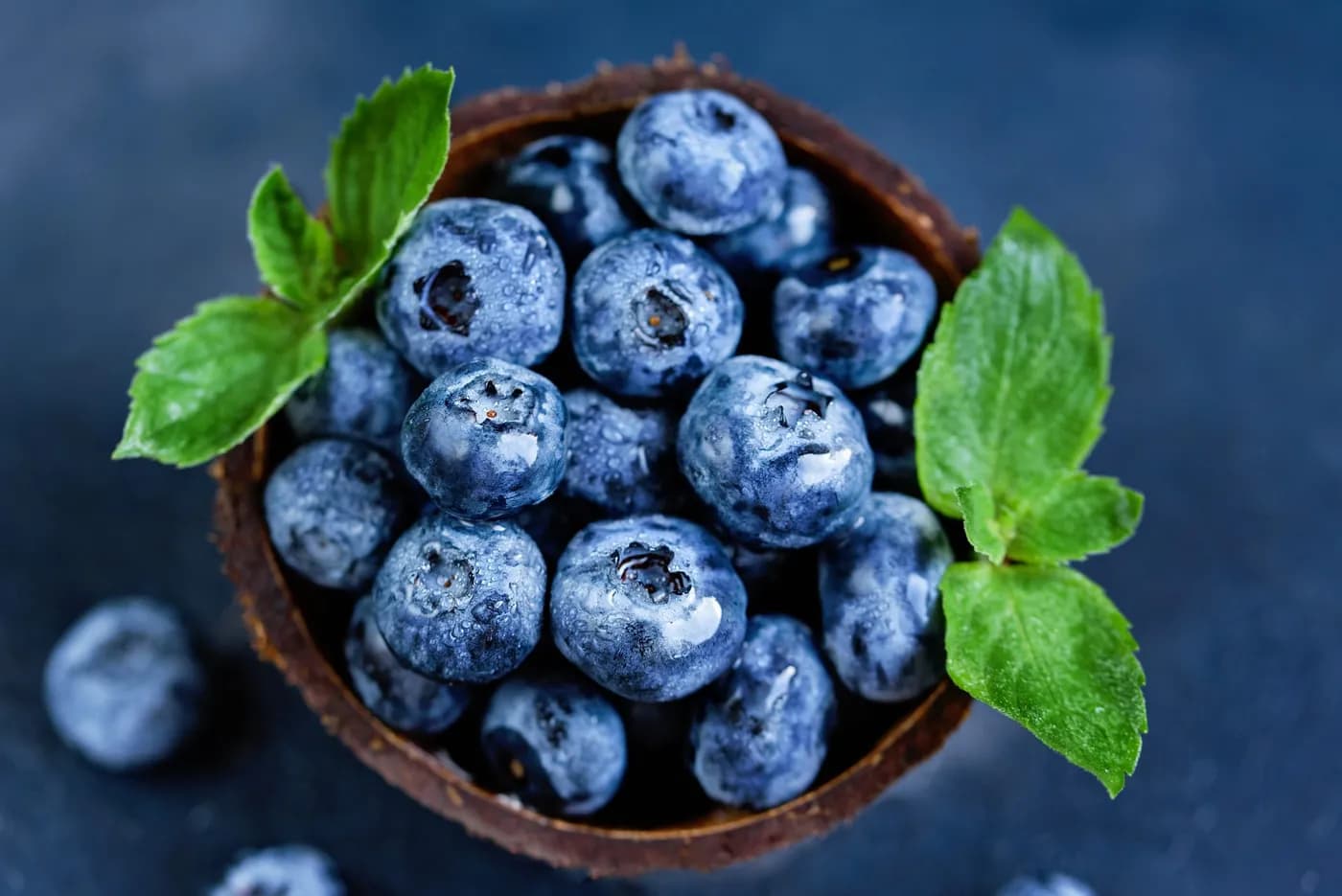
Blueberries are small blue-purple fruits from the Vaccinium plant family. Their colour comes largely from plant pigments called anthocyanins.
They are mostly water and also provide carbohydrate, fibre, vitamin C, vitamin K and manganese. Exact values change with variety, ripeness and serving size. USDA FoodData Central provides reference nutrient data for raw blueberries. (1)
Blueberries are a nutritious fruit, but they are not magic. Local fruits such as jamun, amla, guava or oranges can also add useful nutrients and variety.
What does research say?
Blood sugar
A review combined trials of blueberry and cranberry products. In people with diabetes, the berries were linked with small average improvements in fasting blood sugar and HbA1c. Results were not clear in the general population. (2)
The studies used different fruits, powders, juices and doses, so the result does not mean a bowl of blueberries treats diabetes. Whole berries still contain carbohydrate and should fit your meal plan.
Heart and blood vessels
A 2024 review of blueberry trials found a possible improvement in endothelial function, which describes how blood vessels respond and widen. Study size, product and duration varied. (3)
Another large review of berry trials found mixed effects across blood pressure, cholesterol and inflammation. Food habits, medicines, sleep, movement and smoking remain far more important than one berry.
Brain health
Blueberries are often marketed as “brain food.” Reviews of berry trials report possible improvements in some memory or attention tests, but not every test or group benefits.
A 2026 trial in 57 healthy older adults found no clear effect on its main brain biomarkers or cognitive tests after 24 weeks, although one blood-pressure measure changed. Small trials can give different results, so stronger evidence is still needed. (4)
Fresh, frozen or dried?
Fresh blueberries
Choose berries that look dry, firm and evenly coloured. A dusty white coating called bloom is natural. Avoid mould, leaks or a strong fermented smell.
Frozen blueberries
Frozen berries are convenient and can be just as useful for oats, curd and smoothies. Buy an unsweetened pack. Follow the product’s washing or cooking directions.
Dried blueberries
Dried fruit is more concentrated and often has added sugar or oil. Use a small amount and check the label. It is easier to eat several fruit portions without noticing.
Blueberry juice
Juice has less fibre than whole fruit and is easy to drink quickly. Whole or blended berries are usually more filling.
For related reading, see Chia seeds: benefits, nutrition and how to eat them and Diet and Nutrition.
Easy ways to eat blueberries
- Add them to plain curd with chia or nuts.
- Stir them into oats or muesli.
- Mix fresh and local seasonal fruit in a bowl.
- Blend a small portion with unsweetened curd or milk.
- Use frozen berries in a simple smoothie.
- Add them to a salad with greens and seeds.
- Cook them into an unsweetened fruit topping.
You do not need a special blueberry supplement. Whole fruit gives fibre and is easier to use as part of a meal.
How to wash and store blueberries
- Keep unwashed berries dry in the fridge.
- Remove mouldy or crushed berries.
- Rinse gently under clean running water just before eating.
- Do not use soap or detergent.
- Dry carefully if you are not eating them immediately.
- Freeze extra berries in a single layer, then move them to a container.
Mould can spread through soft fruit. If several berries are mouldy or the pack smells wrong, discard the pack.
A simple 7-day berry habit
Pick two days when fruit would improve a meal or snack. Add a small handful of blueberries to curd or oats.
If blueberries are costly, use them occasionally and choose affordable seasonal fruit on other days. Health does not depend on imported foods.
At the end of the week, ask whether the habit was enjoyable, affordable and easy to repeat.
For more simple fruit habits, read Habuild’s Diet and Nutrition guide.
Who should be careful?
Blueberry allergy is uncommon but possible. Get urgent help for breathing trouble, facial swelling, fainting or widespread hives.
People taking warfarin should keep vitamin K intake reasonably consistent and follow their clinician’s advice. Do not suddenly change large amounts of any vitamin-K food.
If you have diabetes, count blueberries as part of the meal’s carbohydrate. If you have kidney disease or another prescribed diet, ask about portions.
Young children need berries cut or softened to an age-safe size because whole round foods can be a choking risk.
Frequently Asked Questions
Related Articles

Healthy fats: why your body needs fat
Healthy fats help your body absorb vitamins and support brain, hormones, joints, cells and daily meals. Learn simple vegetarian sources and habits.

Good fats vs bad fats: choose fats wisely
Understand good fats vs bad fats in simple words. Learn which vegetarian fats to choose, what to reduce and how to read food labels better.
