
Broccoli Benefits: Nutrition, Cooking Tips and Easy Indian Meal Ideas
Broccoli provides fibre, vitamin C, vitamin K, folate and plant compounds found in cruciferous vegetables. See easy Indian meal ideas.

Key Takeaways
- Broccoli provides vitamin C, vitamin K, folate and fibre.
- Its florets, stalks and leaves can all be edible.
- Steaming, roasting and quick stir-frying are practical cooking methods.
- Gas may be easier to manage when portions increase gradually.
- People taking warfarin need to keep their vitamin K intake consistent.
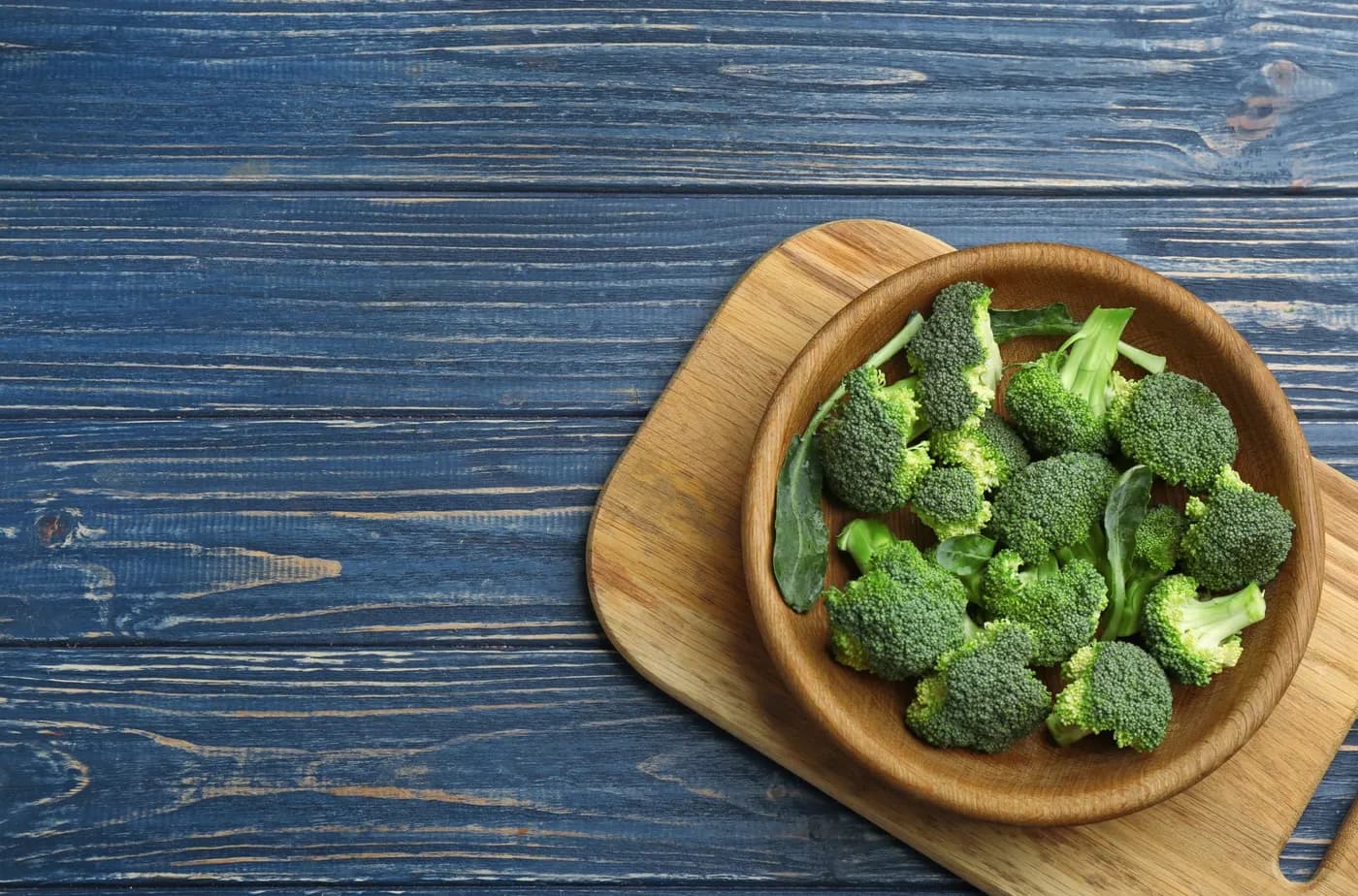
Broccoli is a cruciferous vegetable related to cauliflower, cabbage and mustard greens. It provides fibre, vitamin C, vitamin K, folate and several plant compounds while adding colour and texture to meals.
Broccoli benefits are most realistic when the vegetable helps increase dietary variety or replaces a less nourishing choice. It cannot detoxify the body or cure cancer, thyroid disease or digestive problems.
Broccoli benefits and nutrition at a glance
Broccoli benefits come from its combination of water, fibre, vitamins C and K, folate and potassium. The exact amounts change according to the serving size, freshness and cooking method.
Vitamin C supports collagen formation and improves the absorption of iron from plant foods. Vitamin K contributes to normal blood clotting and bone health. Folate supports cell division, while fibre supports digestion and bowel regularity.
These nutrients are not unique to broccoli. Other vegetables, fruits, beans, whole grains, nuts and seeds also contribute to a balanced diet. Habuild’s high-fibre foods guide offers more vegetarian choices.
Possible broccoli benefits
Broccoli benefits for fibre and digestion
The fibre in broccoli can support regular bowel movements and help a meal feel more satisfying. It also provides material that some gut bacteria ferment.
Fermentation can cause gas or bloating, particularly after a sudden increase in fibre. Begin with a small cooked portion and increase the amount gradually according to your comfort.
Severe or persistent digestive symptoms should not be blamed on one vegetable without proper assessment. Seek medical advice for ongoing abdominal pain, vomiting, blood in the stool or unexplained changes in bowel habits.
Broccoli benefits for vitamin C and plant iron
Broccoli contributes vitamin C, so it can complement meals containing dal, chana, rajma, tofu, sesame seeds or leafy vegetables.
You do not need to calculate an exact food combination at every meal. Including different vitamin C and iron sources regularly is more useful than following complicated rules.
People with iron deficiency still need proper testing and treatment. Broccoli or another vegetable cannot replace iron prescribed by a clinician.
Broccoli benefits for vitamin K and bones
Vitamin K supports proteins involved in normal blood clotting and bone metabolism. This does not mean that eating large portions of broccoli will prevent fractures or treat osteoporosis.
Bone health also depends on calcium, vitamin D, protein, physical activity, hormones and individual medical factors. Habuild’s guide to protein-rich vegetarian foods can help strengthen the rest of a vegetarian meal.
Broccoli benefits and cruciferous compounds
Broccoli contains glucosinolates. During chopping, chewing and digestion, these substances can form compounds such as sulforaphane.
Laboratory research on these compounds is interesting, but it does not prove that eating broccoli prevents or cures cancer in people. Findings from test tubes, animals or concentrated extracts should not be presented as guaranteed benefits from an ordinary food portion.
Health guidance supports eating a variety of vegetables. Concentrated broccoli powders and extracts should not inherit every claim associated with the whole vegetable.
Broccoli benefits for meal fullness
Broccoli adds water, volume and fibre to a meal. It may help the meal feel more filling when it replaces some fried or highly refined foods.
However, broccoli benefits do not include melting belly fat or guaranteeing weight loss. Body weight is influenced by the overall eating pattern, portions, physical activity, sleep and individual health factors.
Preparation also matters. Broccoli covered in cheese sauce, butter or large quantities of oil has a different energy profile from steamed, roasted or lightly sautéed broccoli.
Raw or cooked broccoli?
Both raw and cooked broccoli can fit into a balanced diet. Raw florets are crisp and retain heat-sensitive nutrients, but they may be harder to chew or digest.
Cooking softens the fibre and may make broccoli more comfortable for some people. Steaming or microwaving with a small amount of water can help preserve its colour and texture.
Boiling broccoli for a long time may move water-soluble nutrients into the cooking liquid. If you boil it, use the liquid in soup, dal or another dish where practical.
Roasting creates a deeper, slightly sweet flavour, while quick stir-frying works well with Indian spices. No preparation method preserves every nutrient perfectly.
Choose a method that is safe, enjoyable and easy to repeat. There is no need to follow complicated chopping or waiting rules to make broccoli worthwhile.
How to cut and use the broccoli stalk
The stalk is edible and does not need to be discarded. Its tough outer layer can be peeled, leaving a more tender centre that can be sliced or grated.
Fresh broccoli leaves may also be cooked. They can be used similarly to other leafy vegetables when they are clean and in good condition.
Using both stalks and florets preserves the practical broccoli benefits of reducing waste and adding variety. The stalk works well in:
- Soups
- Pulao
- Mixed sabzi
- Noodles
- Fried rice
- Stir-fries
- Vegetable cutlets
Wash broccoli under clean running water and inspect the spaces between the florets before cooking.
How to use broccoli in Indian meals
If you are exploring how to use broccoli, try these vegetarian ideas:
- Stir-fry the florets with garlic, cumin and capsicum.
- Add chopped broccoli to mixed-vegetable soup.
- Roast it with turmeric, chilli and a measured amount of oil.
- Add small florets to pulao or vegetable upma.
- Mix cooked broccoli with besan for a chilla filling.
- Use the sliced stalk in noodles, fried rice or mixed sabzi.
- Add it to a tofu or paneer stir-fry.
- Fold steamed florets into a curd-based raita after cooling.
- Add finely chopped broccoli to vegetable cutlets.
- Combine it with chickpeas in a warm salad.
Keep cooking fats and sauces proportional. A vegetable-based recipe can still become energy-dense when it contains large amounts of oil, butter, cream or cheese.
Habuild’s everyday nutrition guide can help place vegetables within a balanced plate.
Portion and frequency
There is no mandatory daily portion of broccoli. Around half to one cup of cooked broccoli may be a practical amount for many adults, but appetite, tolerance and the rest of the meal matter.
Broccoli can be eaten regularly, but there is no need to choose it every day. Cauliflower, cabbage, leafy greens, carrots, beans and seasonal vegetables provide different nutrients, colours and flavours.
A varied diet is more realistic and affordable than relying on one imported or expensive vegetable.
Children may prefer a softer texture, smaller florets or broccoli mixed into a familiar dish. Avoid pressuring a child to eat large quantities because of claims about immunity, height or growth.
Broccoli and thyroid concerns
Cruciferous vegetables contain substances sometimes described as goitrogens. In normal cooked portions, they are generally not a reason for most people with adequate iodine intake to avoid broccoli.
Very large raw intakes may become a concern in unusual circumstances, particularly when a person also has iodine deficiency.
People with thyroid disease should take prescribed medicine correctly and discuss individual dietary concerns with their clinician. Eliminating nutritious vegetables without a clear reason can unnecessarily restrict the diet.
Do not use broccoli, cruciferous powders or supplements as treatments for a thyroid condition.
Warfarin and vitamin K
Broccoli contains vitamin K, which can affect the action of warfarin. People taking warfarin do not always need to avoid broccoli completely. Consistency is usually more important than eliminating every vitamin K-rich food.
Do not suddenly increase or remove broccoli and other green vegetables from your diet. Follow the instructions given by your anticoagulation team and attend INR monitoring as advised.
People taking other blood-thinning medicines should also follow the dietary guidance provided for their specific medicine rather than assuming that all anticoagulants have the same restrictions.
Food safety and storage
Choose firm broccoli with tightly packed florets. Avoid heads with extensive mould, slime or a strong unpleasant smell.
Refrigerate it and use it while it is still fresh. Wash the vegetable shortly before preparation rather than storing it while wet, which may encourage spoilage.
Refrigerate cooked leftovers promptly in a clean, covered container. Reheat them thoroughly and discard food that has been left at an unsafe temperature for too long.
Frozen broccoli is another practical option. It can work well in soups, stir-fries and mixed vegetable dishes. Choose a plain product without unnecessary sauces when you want control over salt and fat.
Allergy and digestive precautions
Broccoli allergy is uncommon but possible. Stop eating it and seek urgent help if you develop:
- Breathing difficulty
- Facial or throat swelling
- Faintness
- Widespread hives
- A rapidly worsening reaction
Large portions may cause gas, cramps or loose stools in people who are sensitive to fibre or certain fermentable carbohydrates.
Start with a smaller cooked amount and increase it only if comfortable. People managing irritable bowel syndrome or another digestive condition may need individual guidance about portions.
What broccoli cannot do
Broccoli cannot detoxify the liver, cure cancer, reverse thyroid disease or guarantee weight loss.
Its realistic role is to add fibre, vitamins, colour and variety to an everyday diet. It works as one vegetable among many rather than as a medicine or compulsory daily food.
Habuild’s guide to building sustainable food habits can help make vegetable preparation easier to repeat.
A simple broccoli habit to try
When preparing broccoli, keep the stalk instead of throwing it away. Peel and slice it, then add it to the same stir-fry, soup or pulao as the florets.
This requires no separate recipe, reduces food waste and adds another texture to the meal.
If broccoli is unfamiliar, begin by adding a small amount to a vegetable dish that your household already enjoys.
Editorial sources
Frequently Asked Questions
Related Articles
Protein-rich vegetarian foods: 1/4th plate habit
Explore protein, carbohydrates, healthy fats and meal planning for strength training, muscle building and recovery.

Healthy fats: why your body needs fat
Healthy fats help your body absorb vitamins and support brain, hormones, joints, cells and daily meals. Learn simple vegetarian sources and habits.