Brown Rice Versus White Rice: A Full Comparison
Brown rice and white rice come from the same grain — the milling process that strips away the bran and germ is what changes the nutrition, glycemic.

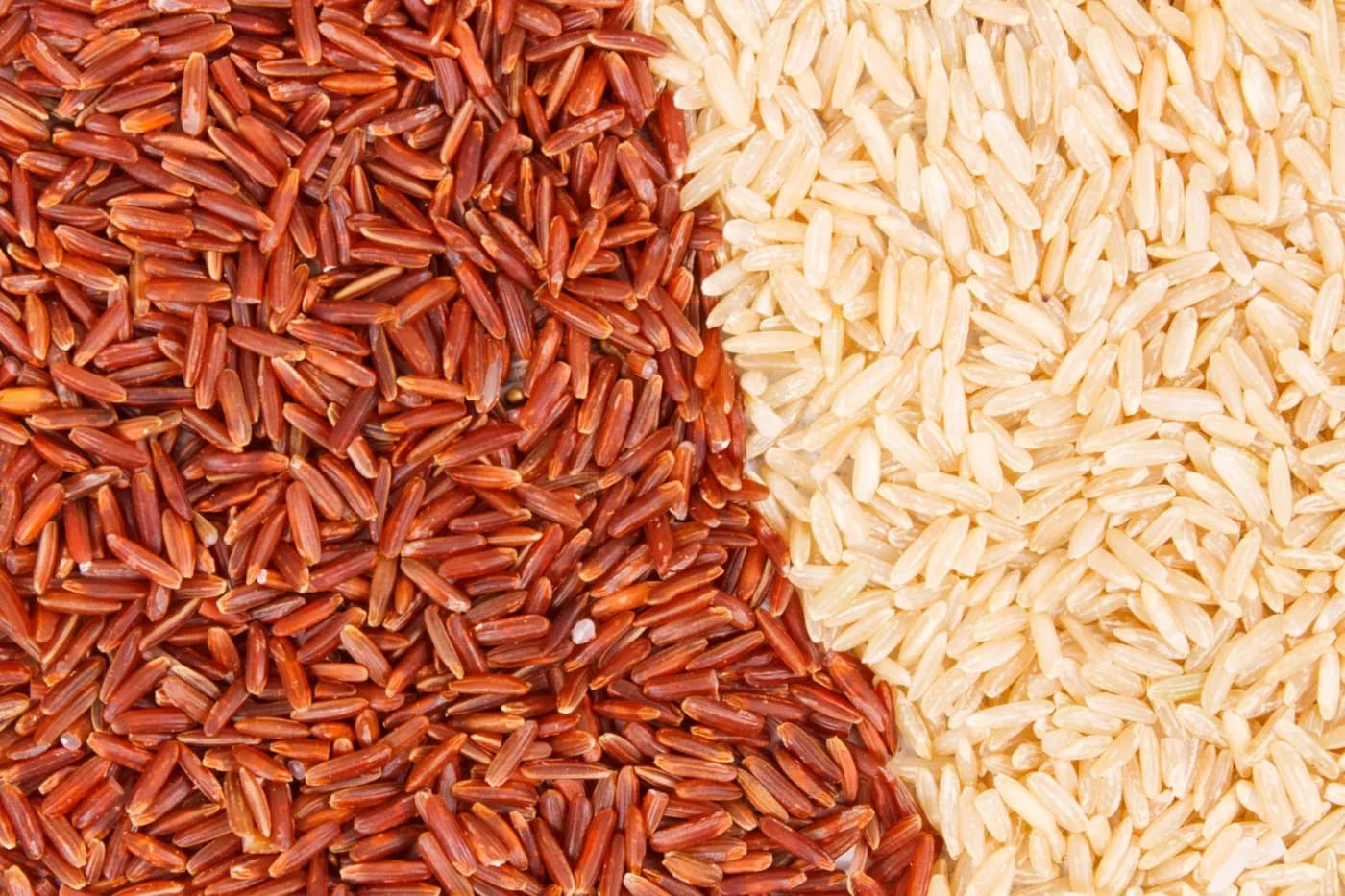
Key Takeaways
- Milling strips away the bran and germ, taking most of brown rice’s fibre with it.
- Brown rice has about 1.8g fibre per 100g cooked versus roughly 0.4g in white rice.
- Brown rice’s retained fibre means a gentler blood sugar rise than white rice.
- Portion size and what’s eaten alongside rice matter as much as the grain itself.
- Brown rice takes longer to cook and has a shorter shelf life due to its natural oils.
Brown rice versus white rice is a common dilemma at the grocery shelf, and the answer depends on what you’re optimising for — fibre, taste, or how quickly it cooks. Both come from the same grain, but the milling process that turns brown rice into white strips away the bran and germ, changing its nutrition, glycemic index, and texture considerably.
Brown Rice Versus White Rice: Quick Comparison
| Factor | Brown rice | White rice |
| --- | --- | --- |
| Processing | Only husk removed; bran and germ intact | Bran and germ polished away |
| Fibre (per 100g cooked) | ~1.8g | ~0.4g |
| Glycemic index | Medium (~50-55) | High (~70-89) |
| Cooking time | 35-45 minutes | 15-20 minutes |
| Texture | Chewy, nutty | Soft, fluffy |
| Shelf life | Shorter (natural oils in bran) | Longer |
Fibre and Nutrients: Where the Real Difference Lies
The bran layer left on brown rice is where most of the nutritional advantage comes from. It retains fibre, B vitamins, magnesium, and small amounts of healthy fats that are almost entirely lost during the polishing process that produces white rice. This is also why brown rice takes longer to cook and has a shorter shelf life — the same oils that carry nutrition also make it more prone to turning rancid if stored too long. This single factor is why the brown rice versus white rice debate almost always comes back to fibre.
White rice isn’t nutritionally empty, but it’s essentially a source of quick-digesting carbohydrate once the bran is removed. Some fortified and parboiled varieties retain a little more nutrition, but neither comes close to matching brown rice’s fibre content, which is really the crux of brown rice versus white rice as a nutrition question.
Glycemic Index and Blood Sugar: Brown Rice Versus White Rice
This is where the brown rice versus white rice comparison matters most for anyone managing blood sugar. Because brown rice retains its fibre, it digests more slowly, resulting in a gentler rise in blood glucose after a meal. White rice, especially when eaten alone in large portions, digests fast and can cause a sharper spike.
That said, portion size and what’s eaten alongside rice matter just as much as the grain itself. A modest serving of white rice paired with dal, vegetables, and curd has a much lower overall glycemic impact than a large plate of white rice eaten by itself. For people managing diabetes or prediabetes, choosing brown rice more often — and watching portions with white rice — is a practical middle ground rather than an all-or-nothing switch. Framed this way, brown rice versus white rice becomes less about picking a permanent winner and more about matching the grain to the moment.
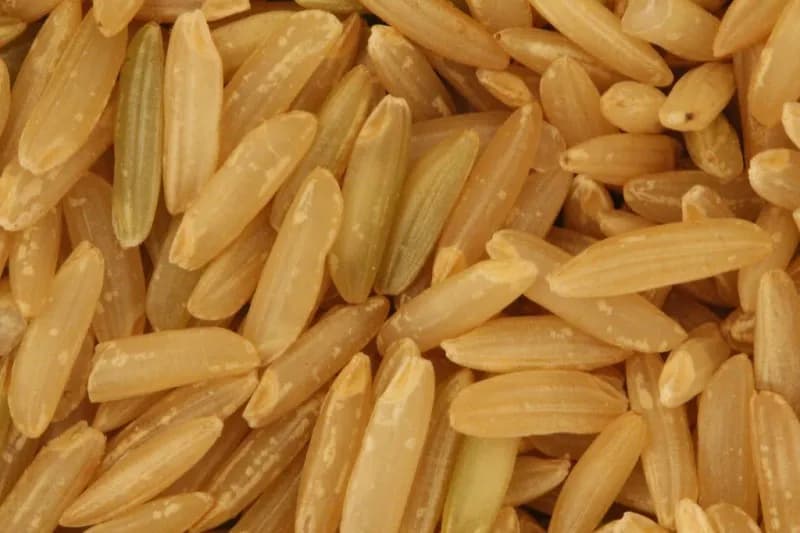
Photo: BillDamon, CC BY 2.0, via Openverse (Flickr)
Brown Rice Versus White Rice: Taste, Texture, and Which One Suits Your Goal
Brown rice has a nuttier flavour and firmer, chewier bite, which some people love and others find takes getting used to after a lifetime of white rice. White rice is softer, more neutral in flavour, and cooks faster — which is partly why it remains the default in most Indian households, especially for daily meals, festive dishes, and when cooking for children or elderly family members who may find brown rice harder to digest in large amounts.
When it comes to brown rice versus white rice for weight management, steadier blood sugar, or simply more fibre in your day, brown rice is the better everyday choice. If you need a quick-cooking, easily digestible option — for small children, during illness, or after a heavy workout when fast-digesting carbs are useful for recovery — white rice still has its place. Many Indian households now keep both in the kitchen and choose based on the meal and the person eating it.
If you’re trying to build more fibre into your day generally, not just through rice, the High Fiber Diet in India guide covers the full food list, and High Fibre Breakfast Recipes has ideas for starting the day fibre-rich instead of waiting until lunch to catch up.
Common Mistakes People Make When Switching to Brown Rice
Simply swapping brown rice for white without adjusting cooking method is the most common misstep in the brown rice versus white rice switch — brown rice needs roughly double the water and cooking time, and skipping an overnight soak often leaves it undercooked and unpleasantly hard, which puts many people off for good after a single bad batch. Assuming brown rice versus white rice always means brown wins by a landslide is another oversimplification; for someone recovering from stomach illness, a small child, or an elderly person with weaker digestion, the easier-to-digest white rice can genuinely be the better short-term choice. Buying brown rice and letting it sit for months is a mistake too, since its natural oils turn rancid faster than white rice — buy in smaller quantities and store in a cool, airtight container. Finally, judging the brown rice versus white rice debate purely on health halo rather than the whole meal is common — a modest bowl of white rice with dal, vegetables, and curd can be a perfectly reasonable everyday meal, while a huge bowl of brown rice eaten alone still adds up in carbohydrates.
How Much Rice Is a Reasonable Portion?
Regardless of which side of the brown rice versus white rice choice you land on, portion size changes the picture more than the grain itself. A standard serving is roughly half to one cup of cooked rice (100-150g) alongside protein and vegetables — going back for second and third helpings is often where the calorie and carbohydrate load adds up, more than the type of rice used. For weight management or blood sugar control, keeping to one modest portion of rice, brown or white, paired with a generous serving of dal and vegetables achieves more than switching grains alone ever will.
Frequently Asked Questions
Related Articles

White Noise for Sleep: Does It Really Help You Rest Better?
White noise for sleep works by masking disruptive sound, not by relaxing you — which is why it helps some people far more than others. See how it compares to ASMR and nature sounds.


How to Strengthen White Blood Cells Naturally
Learn how to strengthen white blood cells through exercise, sleep, and daily habits. Try Habuild's structured program for just ₹1.