
Buckwheat Benefits: Nutrition and Uses
Buckwheat is a gluten-free seed used like a grain. Learn its nutrition, realistic benefits and easy ways to use kuttu in balanced meals.
Key Takeaways
- Buckwheat benefits provides carbohydrate, fibre, protein and minerals.
- It is naturally gluten-free but cross-contact can occur.
- Kuttu flour works best when mixed or bound in recipes.
- Buckwheat is nutritious, but it does not cure disease.
Buckwheat benefits is a naturally gluten-free seed used like a grain. Learn its nutrition, realistic benefits and simple ways to use kuttu in meals.
What is buckwheat benefits?
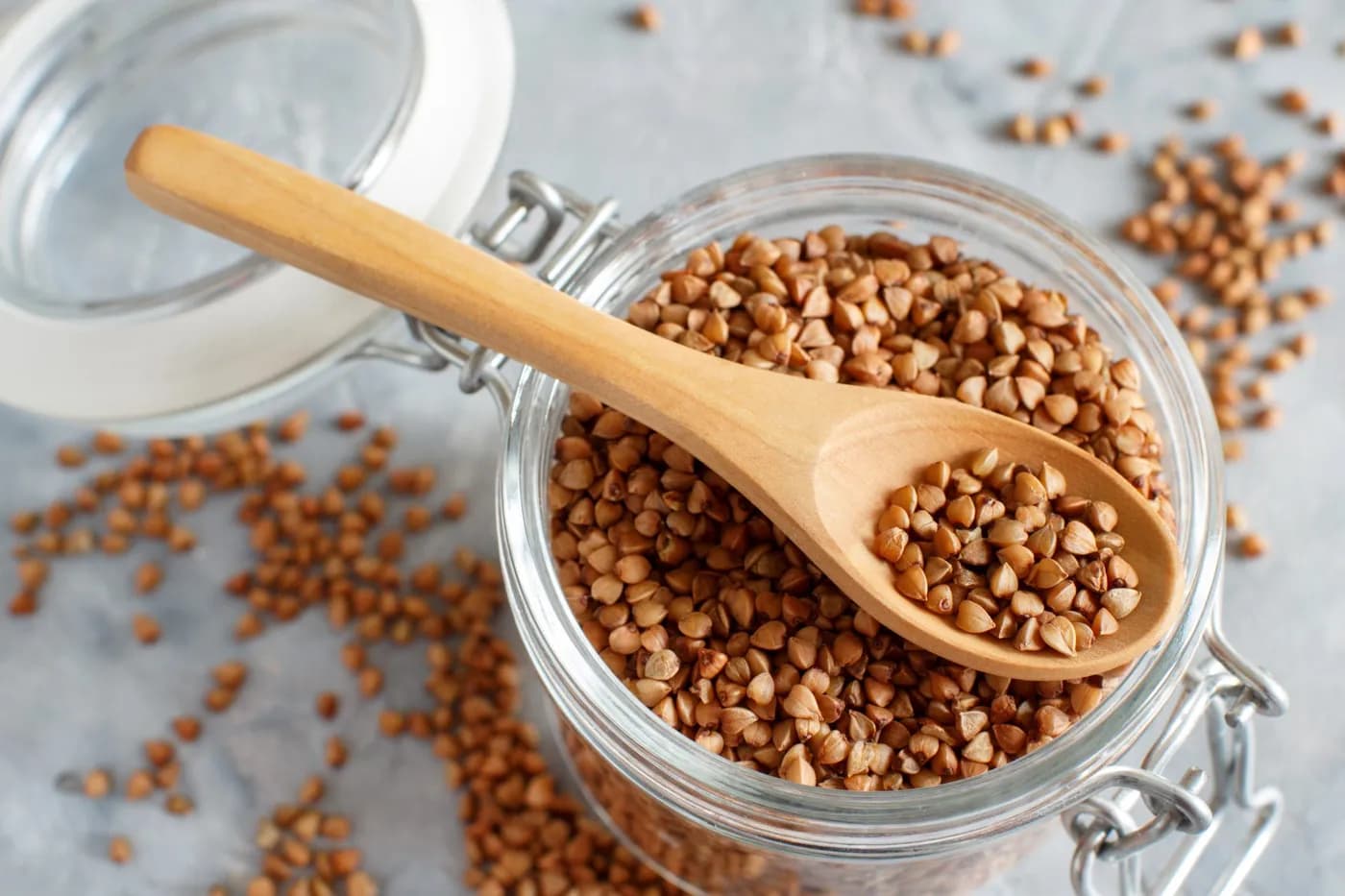
Buckwheat is not wheat. It is a seed from the Fagopyrum plant and is called a pseudocereal because it is cooked like a grain.
In India, buckwheat benefits flour is known as kuttu atta and is often used during fasting periods. Whole groats can be boiled like rice or porridge.
What nutrition does buckwheat provide?
Buckwheat benefits supplies starch, fibre, protein, magnesium and other minerals. It also contains plant compounds such as rutin.
Reviews describe a useful amino-acid profile and several phenolic compounds. Amounts vary with species, farming, milling and cooking. (1)
Buckwheat contributes protein but should not be the only protein in a meal. Add dal, curd, paneer, tofu, beans or eggs.
Possible benefits
A whole-grain-style alternative
Using whole buckwheat benefits groats or less-refined flour can add fibre and variety compared with refined grain foods.
Naturally gluten-free
Buckwheat does not contain gluten. It can suit coeliac diets only when the product is labelled gluten-free and protected from wheat cross-contact.
Blood sugar and heart claims
Buckwheat benefits fibre and plant compounds are being studied for glucose and cholesterol effects. Much evidence comes from laboratory, animal or small human studies.
It may fit a balanced diet, but it is not a treatment for diabetes, high cholesterol or blood pressure. Reviews call for stronger human research. (1)
Buckwheat flour versus whole groats
Flour cooks quickly and works in rotis, chilla and pancakes. Whole groats keep more structure and can feel more filling.
Read the ingredient list. Packaged “buckwheat benefits” noodles, breads or mixes may also contain wheat, refined starch, salt or sugar.
How to cook whole buckwheat
- Rinse 1 cup of groats.
- Add about 2 cups of water.
- Bring to a boil, then lower the heat.
- Cover and simmer until tender, usually 10 to 15 minutes.
- Drain extra water if needed.
- Rest for 5 minutes and fluff.
Cooking time varies by toasted or raw groats, so follow the pack directions.
This connects well with Quinoa Benefits: Nutrition and How to Cook It and 50 healthy vegetarian foods for everyday eating if you want the fuller picture.
Easy ways to use kuttu
- Make kuttu chilla with grated vegetables.
- Mix kuttu flour with boiled potato for a soft roti.
- Add groats to vegetable khichdi.
- Cook a savoury porridge with peas and carrots.
- Use groats in a curd and cucumber bowl.
- Mix a little flour into regular atta if gluten is not restricted.
Fasting recipes can become very high in fried foods, salt or potatoes. The health value depends on the full recipe, not the kuttu label.
For more simple grain-and-protein combinations, read Habuild’s Diet and Nutrition guide.
Is buckwheat benefits good for weight loss?
Buckwheat does not burn fat. Fibre and protein may help fullness when it replaces a refined food, but portion and the full meal still matter.
Kuttu puri, chips and sweet halwa remain energy-dense. Choose boiled, pan-cooked or lightly oiled versions more often.
Safety and allergy
Buckwheat benefits allergy can be serious and is more common in some countries. Symptoms may include hives, vomiting, breathing trouble, throat swelling or fainting.
Seek urgent help for a severe reaction. Stop eating it and get medical advice if symptoms appear.
People with coeliac disease need certified gluten-free products, clean utensils and separate cooking surfaces.
A sudden fibre increase may cause gas or bloating. Start with a small portion and increase gradually.
A simple buckwheat habit
Try one familiar recipe this week, such as vegetable chilla or a half-buckwheat benefits porridge. Add a clear protein source and vegetables.
If the taste feels strong, mix it with another flour or grain when medically safe. A gradual change is easier to repeat.
Frequently Asked Questions
Related Articles

Healthy fats: why your body needs fat
Healthy fats help your body absorb vitamins and support brain, hormones, joints, cells and daily meals. Learn simple vegetarian sources and habits.

Good fats vs bad fats: choose fats wisely
Understand good fats vs bad fats in simple words. Learn which vegetarian fats to choose, what to reduce and how to read food labels better.
