
Caffeine Products: Where Caffeine Hides and How to Read Labels
Caffeine is in tea, cola, energy drinks, pre-workouts and some medicines. Learn typical amounts, how to read labels and which products to avoid.
Key Takeaways
- Caffeine also hides in cola, energy drinks, pre-workouts, chocolate and some pain pills.
- A 12 oz energy drink can carry about 41 to 246 mg of caffeine, depending on the brand.
- Check mg per serving and servings per pack, then add up every product you use in a day.
- Decaf coffee still has about 2 to 15 mg of caffeine per 8 oz cup.
- Avoid pure or highly concentrated caffeine powders and liquids sold in bulk.
Caffeine is a stimulant found naturally in coffee, tea, cocoa and guarana, and added to cola, energy drinks, pre-workout powders and some medicines. Because so many caffeine products overlap in a normal day, the total can climb higher than you expect. This guide shows where caffeine turns up and how to read labels. For symptoms and personal limits, see our article on caffeine side effects.
How much is too much
The FDA cites 400 mg a day for most healthy adults as an amount not generally associated with negative effects, not a target. Pregnancy, adolescence, heart conditions, anxiety, medicines and individual sensitivity require lower or personalised limits.
Count the whole day rather than one drink
Caffeine products can overlap without much thought. You might have tea at breakfast, coffee during a commute, a pre-workout before exercise and a headache medicine later. Each may contribute to the total. A small package does not necessarily contain a small dose, particularly with energy shots.
For a few days, list what you use and check the stated caffeine amount where available. Record the actual serving, not just the brand name. If a label gives caffeine per 100 millilitres, multiply it by the bottle size you drink. If it gives an amount per serving, check how many servings the package contains. This simple distinction can explain why the total is higher than expected.
Notice the sleep and caffeine cycle
A late drink can make falling asleep harder or reduce sleep quality. The next morning, another strong coffee may feel necessary. Notice whether this pattern is occurring before changing only the morning dose. Move caffeine earlier or reduce it if sleep is affected, then review how you feel over several days.
There is no universal clock time after which everyone must stop. Bedtime, sensitivity and the amount used matter. Persistent daytime sleepiness can also reflect insufficient sleep, a sleep disorder or another health issue. Caffeine cannot replace recovery. If tiredness continues despite enough opportunity to sleep, seek assessment rather than repeatedly increasing stimulants.
Products where caffeine is easy to miss
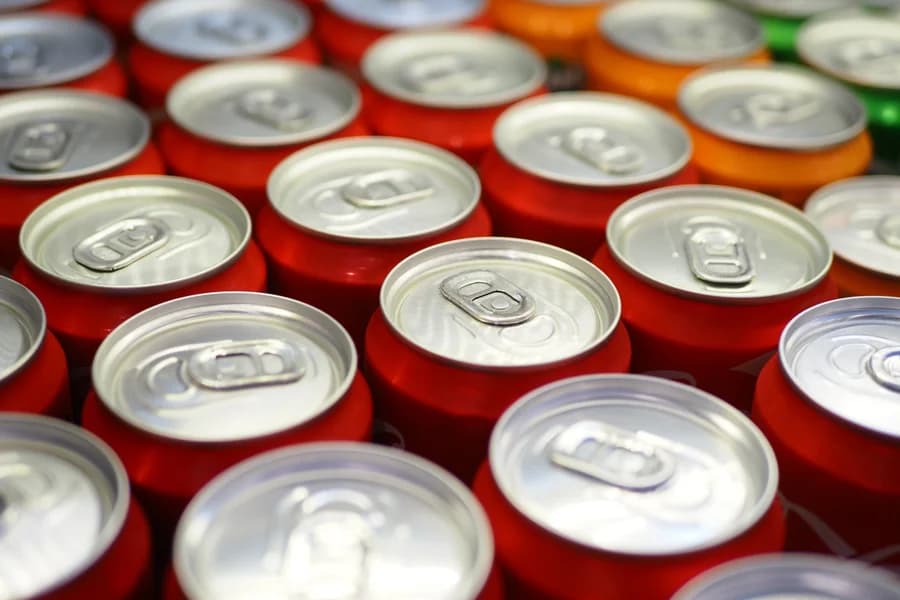
- Energy drinks and shots: a small can or shot does not mean a small dose, and one bottle may contain more than one serving.
- Pre-workout powders: often combine caffeine with other stimulants; scoop sizes vary.
- Medicines: some headache, cold and weight-loss products contain caffeine. Check the ingredients or ask a pharmacist.
- Chocolate and cocoa: dark chocolate and cocoa drinks contribute smaller amounts that still add up.
- Bars, gums and supplements: some protein or energy bars, chewing gums and dietary supplements add caffeine.
- Decaf: decaffeinated coffee typically still has about 2 to 15 mg per 8 oz cup. See our guide to decaffeinated coffee.
How to read a caffeine label
- Look for "caffeine" in the ingredient list. When caffeine is added on its own, it must be listed.
- Watch for natural sources. Guarana, green coffee extract, tea extracts, kola nut and chocolate bring caffeine even if the word caffeine is not prominent.
- Check the amount and the serving. Many brands state mg per serving voluntarily. If it is given per 100 ml, multiply by the size you actually drink; if per serving, check how many servings the pack holds.
- Ask at cafes and restaurants. They are generally not required to declare caffeine content.
- Be careful with unlabelled products. Take a small amount the first time if the caffeine content is not stated.
Add up a day, not one drink
The FDA cites about 400 mg a day for most healthy adults as an amount not generally associated with negative effects. It is a ceiling, not a target, and it does not suit everyone. A morning coffee, two cups of tea, a pre-workout and a cola can approach it quickly. Pregnancy, breastfeeding, heart conditions, anxiety and some medicines call for lower, individual limits; ask your doctor. Children and teenagers should avoid energy drinks.
Products to avoid altogether
Pure or highly concentrated caffeine powders and liquids sold in bulk are extremely potent. The FDA warns that a single teaspoon of pure powder is roughly equal to the caffeine in 28 cups of coffee, and deaths have been reported. Household spoons cannot measure a safe dose, so do not buy or mix these products. Caffeine also does not reduce alcohol impairment; do not use energy drinks to feel "less drunk".
Seek urgent help for chest pain, fainting, seizures or a very fast or irregular heartbeat after any caffeine product, and keep the packaging to show the treating team.
Editorial sources
Frequently Asked Questions
Related Articles

Caffeine Side Effects: How Much Is Too Much for You?
Caffeine comes from far more than coffee. See how total daily intake, timing and sensitivity shape jitters, sleep loss and other side effects.


Does Tea Contain Caffeine? Types, Amounts and Timing
Most tea made from the Camellia sinensis plant contains caffeine, although the amount changes with the leaf, serving size and brewing method.

Decaffeinated Coffee: Caffeine, Processing and Smart Choices
Decaffeinated coffee keeps much of coffee's flavour while removing most, but not all, of its caffeine.

Coffee Benefits: Caffeine, Timing, Portions and Safety
Coffee contains caffeine and many plant compounds, and brewing method, cup size, milk and sugar all change the drink. Learn safe timing.