
Chia seeds: benefits, nutrition and how to eat them
Chia seeds add fibre, healthy fats and minerals to meals. Learn their real benefits, safe use and simple ways to eat them.
Key Takeaways
- Chia seeds give you fibre, plant omega-3 fat and several minerals.
- Chia seeds provide fibre, plant-based omega-3 fat and minerals.
- They can be eaten whole and usually do not need to be ground.
- Mix them with enough liquid or add them to moist food.
- Begin with one or two teaspoons if you are not used to eating much fibre.
- Chia seeds may support a balanced diet, but they cannot treat a medical condition.
Chia seeds may be tiny, but they can add useful nutrients and an interesting texture to everyday meals. They provide fibre, plant-based omega-3 fat and several minerals. Their mild flavour also makes them easy to combine with familiar foods such as curd, oats, porridge and fruit.
However, chia seeds are not a shortcut to weight loss, better digestion or controlled blood sugar. They work best as one small part of a balanced diet and a steady routine.
What are chia seeds?
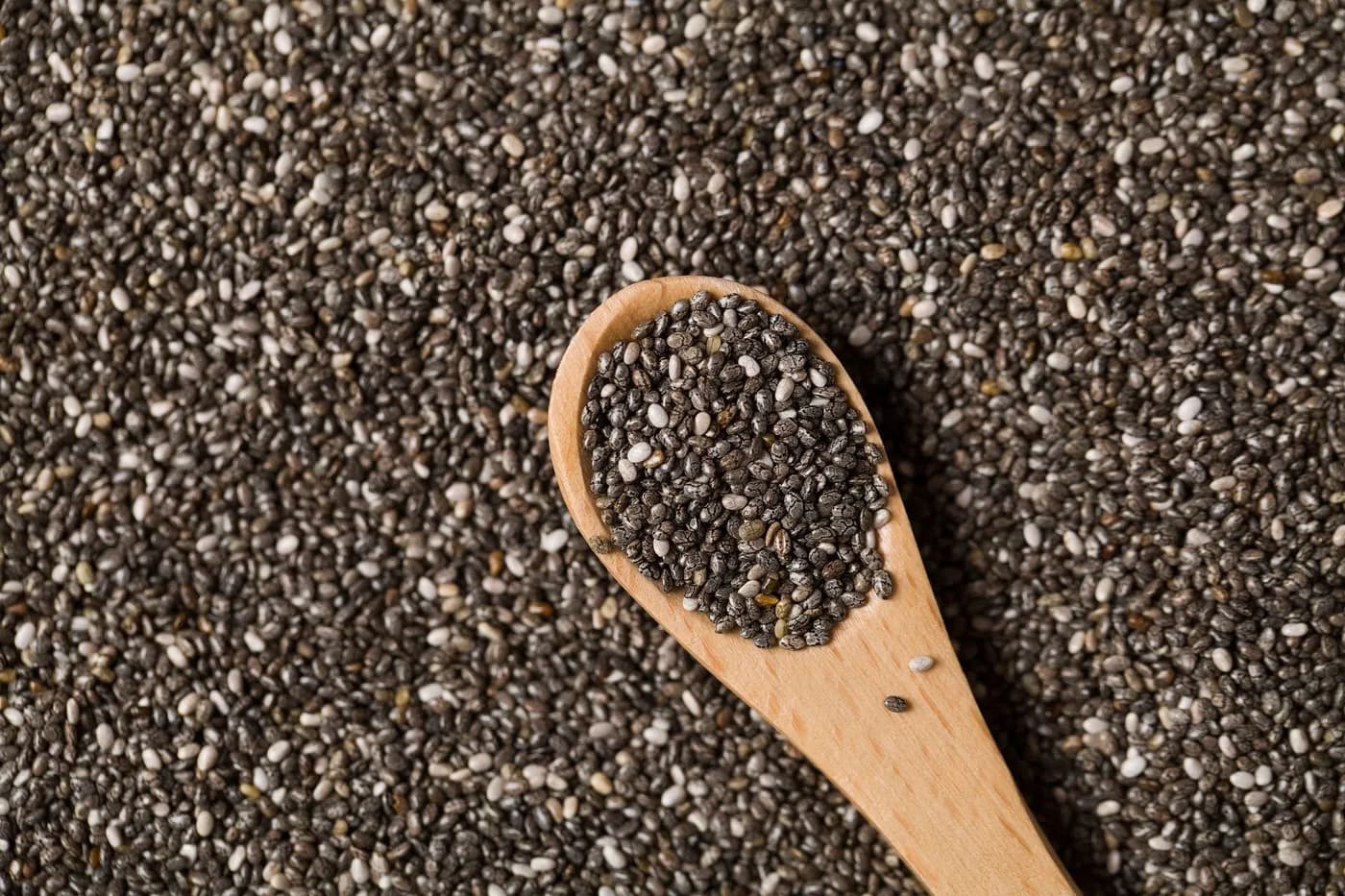
Chia seeds come from Salvia hispanica, a flowering plant belonging to the mint family. The seeds may be black, grey, brown or white. Their nutritional value is broadly similar, so you do not need to choose a particular colour for health reasons.
One of the most noticeable features of chia seeds is what happens when they are mixed with liquid. Their outer layer absorbs water and develops a soft, gel-like coating. This allows chia to thicken foods such as overnight oats, curd and puddings.
Unlike flax seeds, chia seeds do not have to be ground before you eat them. You can use them whole, provided they are mixed into a moist food or prepared with enough liquid.
Chia seeds contain fibre, fat, some protein and minerals such as calcium, magnesium and phosphorus. They are also a source of alpha-linolenic acid, commonly known as ALA, which is a plant-based omega-3 fat. Their exact nutritional composition can vary according to the variety and growing conditions. (1)
What can chia seeds add to your diet?

Fibre for digestion
A large proportion of the carbohydrate in chia seeds comes from fibre. Fibre adds bulk to stool and can support regular bowel movements. It also slows down the pace of digestion, which may help a meal feel satisfying for longer.
That does not mean you should suddenly add several tablespoons of chia to every meal. Increasing fibre too quickly may lead to gas, bloating, cramps or loose stools, particularly if your usual diet contains very little fibre.
Start with one or two teaspoons and see how your body responds. You can gradually increase the quantity if it feels comfortable. Remember to drink enough water during the day because fibre works best when your overall fluid intake is adequate.
Plant-based omega-3 fat
Chia seeds are among the richer vegetarian sources of ALA. This is an essential fat, which means the body cannot make it and must obtain it from food.
The body can convert a small amount of ALA into the longer-chain omega-3 fats EPA and DHA, but this conversion is limited. Chia is therefore a valuable addition to a vegetarian diet, although it should not be treated as nutritionally identical to an algae-based EPA or DHA supplement. (2)
Chia is not the only source of ALA. Flax seeds, walnuts and certain plant oils can also contribute this type of fat. Including different foods gives your meals more nutritional variety.
Protein and minerals
Chia seeds provide some protein as well as minerals such as magnesium, calcium and phosphorus. These nutrients have many roles in the body, including supporting normal muscle, nerve and bone function.
Still, the quantity in one or two teaspoons is relatively small. Chia should not become your only protein or calcium source. Use it as an addition to meals built around foods such as dal, beans, chickpeas, soy, tofu, paneer, curd, whole grains, nuts and vegetables.
Can chia seeds support blood sugar management?
Because chia develops a thick gel and contains fibre, researchers have studied whether it can slow the rise in blood sugar after eating.
In one controlled study, 15 healthy adults consumed a glucose drink either by itself or with ground chia or flax. Adding chia reduced the participants’ immediate post-meal glucose response and affected short-term appetite ratings. However, this was a small, short study involving a specific test meal. It does not show that chia can prevent or treat diabetes. (3)
If you have diabetes, chia can potentially fit into your meal plan, but portions and the rest of the meal still matter. Continue checking your blood sugar as advised and do not change your medicines without speaking to your doctor.
Can chia seeds help with weight loss?
Chia seeds are frequently marketed as a weight-loss food because their fibre absorbs water and may make a meal feel more filling. Feeling satisfied after eating can be useful, but it does not guarantee that a person will lose weight.
A 2025 review of eight controlled trials reported possible reductions in blood pressure and waist circumference among adults consuming chia. It did not find a clear change in body weight or BMI. The studies also differed in their duration, participant groups and quantities of chia used. (4)
This is why it is better to think of chia as an ingredient rather than a fat-burning remedy. Long-term weight management depends on the complete eating pattern, regular movement, sleep, stress, health conditions and several other factors.
How to eat chia seeds safely
Chia seeds absorb a considerable amount of liquid. Avoid swallowing a large spoonful of dry seeds and then drinking water. The seeds may swell before they pass comfortably, which can be especially risky for someone who has difficulty swallowing.
A simple way to prepare chia is:
- Add one tablespoon of chia seeds to approximately half a cup of water, milk or another liquid.
- Stir thoroughly so that the seeds do not settle into one firm clump.
- Leave the mixture for around 10 to 15 minutes.
- Stir it again and add more liquid if it has become too thick.
- Eat it slowly and notice how your digestion responds.
You do not always need to soak a small quantity separately. A teaspoon can be mixed directly into moist foods such as curd, porridge or overnight oats. Allowing it to soften before eating generally makes the texture more pleasant.
People with swallowing difficulties, bowel narrowing, serious digestive conditions or fluid restrictions should ask a doctor or dietitian before making chia a regular habit.
Easy ways to add chia to Indian meals
You do not need an elaborate chia recipe or a special “detox” drink. Choose a simple preparation that fits naturally into a meal you already enjoy.
You can:
- Stir soaked chia into plain curd and top it with fresh fruit.
- Add it to overnight oats or warm porridge.
- Mix a small amount into unsweetened lassi or chaas.
- Blend it into a homemade fruit smoothie.
- Add soaked chia to cheela batter.
- Mix a little into atta while preparing rotis.
- Sprinkle a teaspoon over poha or upma before eating.
- Prepare a simple pudding with milk or an unsweetened fortified plant drink.
Packaged chia drinks and flavoured puddings can contain substantial amounts of added sugar. Read the ingredient list rather than assuming that every product containing chia is automatically a healthy choice.
Chia seeds versus sabja seeds
Chia and sabja, or basil seeds, may look similar after soaking, but they come from different plants.
Sabja seeds usually swell quickly and develop a gel-like outer layer within a few minutes. They are traditionally added to falooda and summer drinks. Chia generally takes longer to absorb liquid and is widely used in oats, curd, smoothies and puddings.
Their taste, texture and nutritional composition are not exactly the same. It is best to use the seed specified in a recipe, especially when the final consistency matters.
A realistic chia-seed habit
Instead of changing several meals at once, attach chia to one existing routine.
For example, add one or two teaspoons to breakfast on three days this week. Keep the packet near your oats or other breakfast ingredients so that it is easy to remember.
At the end of the week, consider three questions:
- Did I enjoy the taste and texture?
- Was it convenient to prepare?
- Did my digestion feel comfortable?
Continue the habit only if it suits you. A food does not have to be eaten every day to be useful.
For more practical ideas, read Habuild’s everyday guide to diet and nutrition.
Who should be careful?
Chia is generally easy to include in food, but certain people should take additional care.
Speak to a qualified healthcare professional before using chia regularly if you:
- Have difficulty swallowing.
- Have a bowel narrowing or serious digestive condition.
- Have been advised to restrict your fluid intake.
- Take medicines for high blood pressure or diabetes.
- Have previously experienced an allergy to seeds.
Chia may have a modest effect on blood pressure or post-meal blood sugar in some people. If you take medication for either condition, continue monitoring your readings as instructed. Never reduce or stop prescribed medicine because you have started eating chia seeds.
Frequently Asked Questions
Related Articles

Healthy fats: why your body needs fat
Healthy fats help your body absorb vitamins and support brain, hormones, joints, cells and daily meals. Learn simple vegetarian sources and habits.

Good fats vs bad fats: choose fats wisely
Understand good fats vs bad fats in simple words. Learn which vegetarian fats to choose, what to reduce and how to read food labels better.
