
Chia Seed for Pregnancy: Benefits, Safe Amounts, and How to Use Them
Chia seeds bring plant-based omega-3s, fibre, and minerals to a pregnancy diet, and are generally considered safe in moderate amounts. See the benefits.

Key Takeaways
- Offers plant-based omega-3 (ALA) that supports the baby’s brain and eye development.
- Fibre content helps manage the constipation common in the second and third trimesters.
- Must always be soaked 15-20 minutes first – never eaten dry during pregnancy.
- One to two tablespoons a day is a reasonable amount for most pregnant women.
- Mention chia to your doctor if you’re on blood-thinning medication, given its mild effect.
Chia seed for pregnancy is a small addition that can offer a meaningful nutritional boost, thanks to its combination of plant-based omega-3s, fibre, and minerals. Used correctly and in moderate amounts, chia seeds are generally considered a safe, simple way to round out a pregnancy diet.
Why Chia Seed for Pregnancy Is Worth Considering
Here’s what these tiny seeds bring to the table:
- Plant-based omega-3 (ALA) — supports the baby’s brain and eye development, complementing other omega-3 sources in the diet
- Fibre — helps manage the constipation that’s common during pregnancy, particularly in the second and third trimesters
- Protein and minerals — chia seeds contain small but useful amounts of calcium, magnesium, and iron
- Steady energy — the combination of fibre, fat, and protein slows digestion, which can help avoid quick blood sugar spikes
- Easy to add — they’re flavourless and blend into almost anything without changing a recipe much
These are supportive benefits from chia seed for pregnancy, not a replacement for the more concentrated omega-3 sources or supplements your doctor may recommend, such as DHA-focused prenatal vitamins.
How to Use Chia Seed for Pregnancy Safely
The key safety rule with chia seeds is hydration. Dry chia seeds absorb a large amount of liquid and expand significantly, so they should always be soaked in water, milk, curd, or a smoothie for at least 15-20 minutes before eating — never eaten dry or in large dry spoonfuls, as this can be uncomfortable to swallow and digest. A reasonable amount for most pregnant women is about one to two tablespoons a day, mixed into soaked overnight preparations, smoothies, curd bowls, or as a topping once softened. Starting with a smaller quantity and increasing gradually also helps your digestive system adjust, especially if you’re not used to high-fibre foods. Getting this simple habit right is really the whole safety story behind chia seed for pregnancy.
Precautions to Keep in Mind
Because chia seeds are high in fibre, eating too many too quickly can cause bloating, gas, or loose motions — uncomfortable at any time, but especially so during pregnancy. Adequate water intake alongside chia seeds is essential, since fibre without enough fluid can worsen constipation instead of easing it. If you’re on blood-thinning medication or have a bleeding disorder, mention chia seeds to your doctor, as their omega-3 content can have a mild blood-thinning effect. As with any new food introduced during pregnancy, it’s worth discussing quantity and frequency with your doctor, particularly if you have gestational diabetes or a digestive condition that needs monitoring. Most of the real risk with chia seed for pregnancy comes down to overdoing the quantity or skipping the soak, not the seed itself.
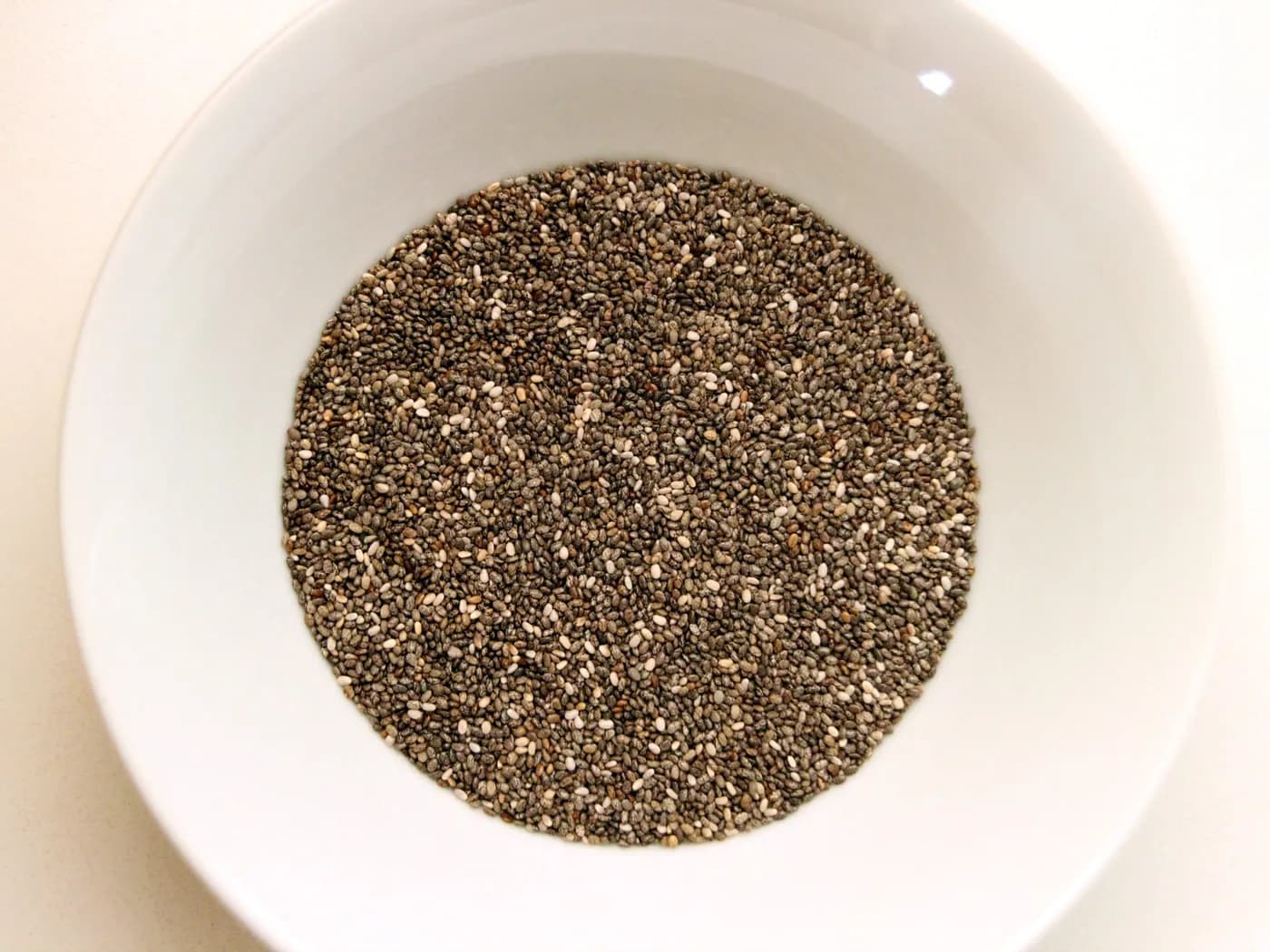
Photo: Mumumio, CC BY 2.0, via Openverse
Simple Ways to Add Them to Your Day
Soaked chia seeds work well stirred into curd or buttermilk, added to a fruit smoothie, or left overnight in milk to make a simple pudding. They can also be mixed into oats, added to homemade energy balls, or sprinkled over soups once softened. Keep portions modest and consistent rather than adding large amounts occasionally — small, regular servings are easier on digestion and give steadier benefits than one large dose now and then. Used this way, chia seed for pregnancy becomes an easy, low-effort habit rather than one more thing to manage.
Chia isn’t the only small addition worth building into a pregnancy diet this way — coconut water and pregnancy is another easy habit worth understanding for hydration on hot days, and it helps to know what prenatal vitamins for pregnancy typically cover so food and supplements aren’t overlapping unnecessarily. A full prenatal meal plan (coming soon) will eventually pull all of this together into a day-by-day structure.
Myths vs Facts About Chia Seed for Pregnancy
Myth: Chia seed for pregnancy can replace a prenatal vitamin. Fact: Chia seeds add fibre, ALA omega-3, and small amounts of minerals, but they don’t contain folic acid, vitamin D, or B12 in meaningful amounts — a prenatal vitamin prescribed by your doctor still covers gaps chia can’t.
Myth: Chia seeds are a choking hazard for pregnant women specifically. Fact: The choking concern applies to eating them completely dry in a spoonful, not to pregnancy itself — soaked chia is soft, gel-like, and easy to swallow for anyone.
Myth: More chia means more benefit. Fact: Beyond 1-2 tablespoons a day, extra chia mostly adds fibre you don’t need and raises the risk of bloating — there’s no added benefit to eating larger amounts.
Myth: Chia seed for pregnancy is unsafe in the first trimester. Fact: Chia is generally considered safe throughout pregnancy, including the first trimester, when soaked properly and eaten in normal food amounts; there’s no trimester-specific restriction beyond the general precautions already covered.
What If You Don’t Like the Texture?
Some women find the gel-like texture of soaked chia off-putting, especially with pregnancy-related taste changes or nausea. If that’s you, chia seed for pregnancy doesn’t have to mean a pudding or gel drink — try blending soaked chia fully into a smoothie so the texture disappears, folding a small amount into idli or dosa batter, or using chia flour (ground dry chia) mixed into rotis or parathas instead. Flaxseed, similarly rich in plant omega-3s, is a reasonable alternative if chia’s texture genuinely doesn’t agree with you, though it needs grinding to be digestible.
Frequently Asked Questions
Related Articles

Sleeping Position During Pregnancy First 3 Months (First Trimester)
Sleeping position during pregnancy first 3 months matters far less than most expecting mothers assume — the first trimester is the most flexible stretch of pregnancy for how you sleep. See when position actually starts to matter.

Sleeping on Right Side During Pregnancy: Is It Safe?
Sleeping on your right side during pregnancy isn't dangerous — the anxiety around it is an oversimplified rule, not an evidence-backed warning. See where the actual concern comes from.
